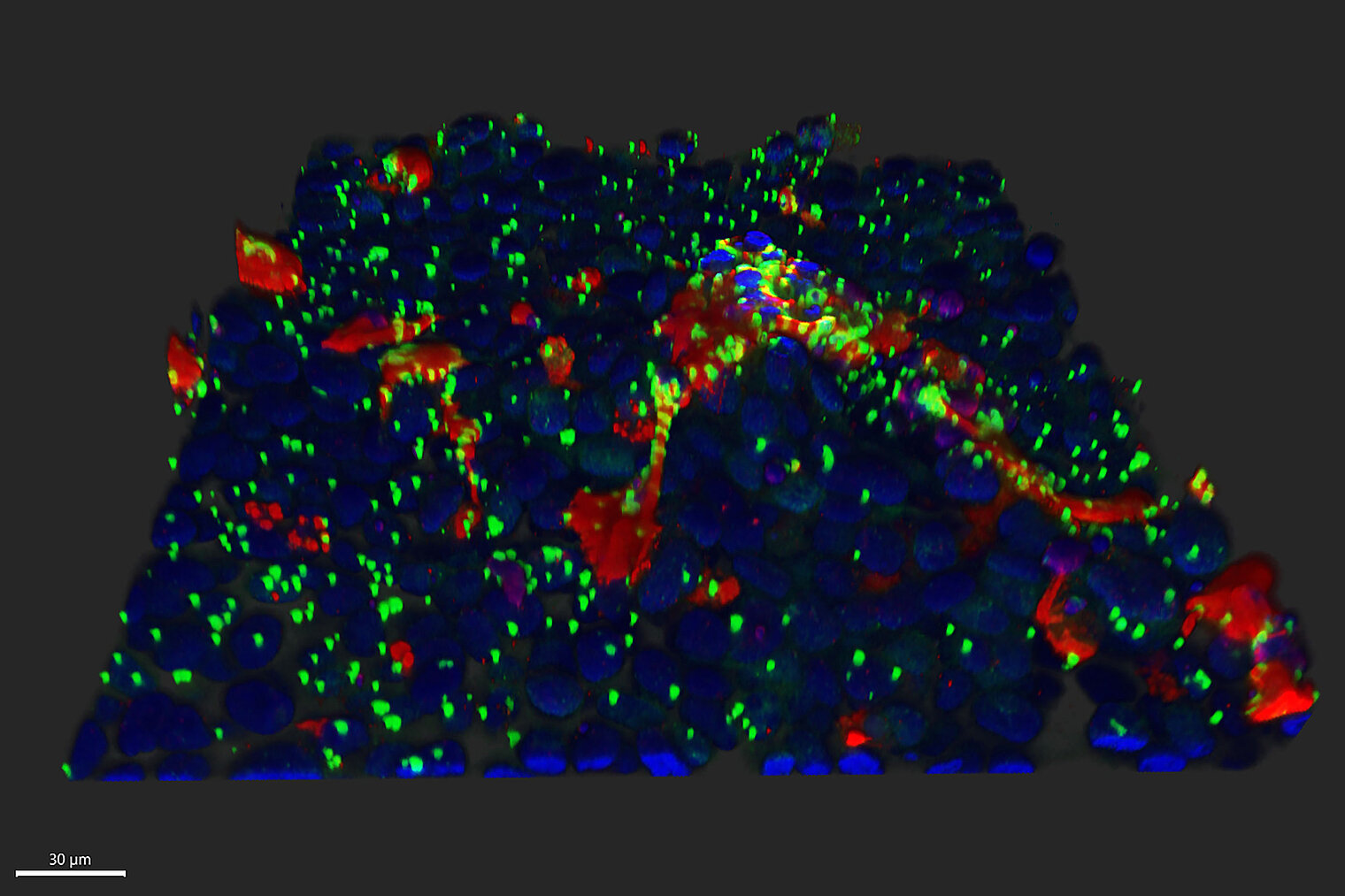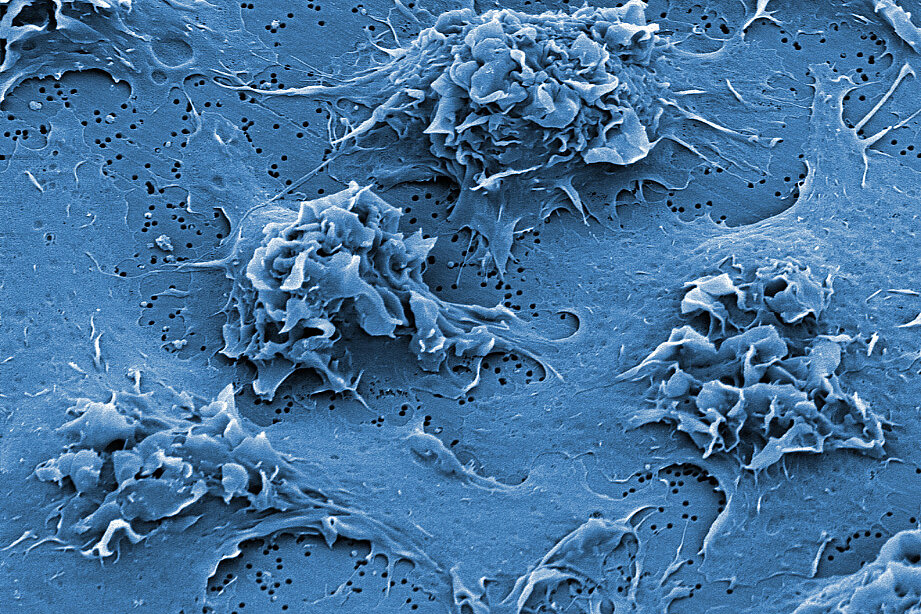
Numerous bacteria, viruses, and fungi can infect humans and cause illness. Such pathogens are the focus of the Würzburg Collaborative Research Centre (CRC) “Decisions in Infectious Diseases,” or DECIDE for short.
The CRC was established in January 2023. Thanks to their outstanding achievements, the researchers involved can now continue their work: following a review of the projects, the German Research Foundation (DFG) has renewed funding for the CRC, including all proposed subprojects. It will provide the Würzburg research groups with around 14 million euros over the next four years.
Focus on critical infection processes
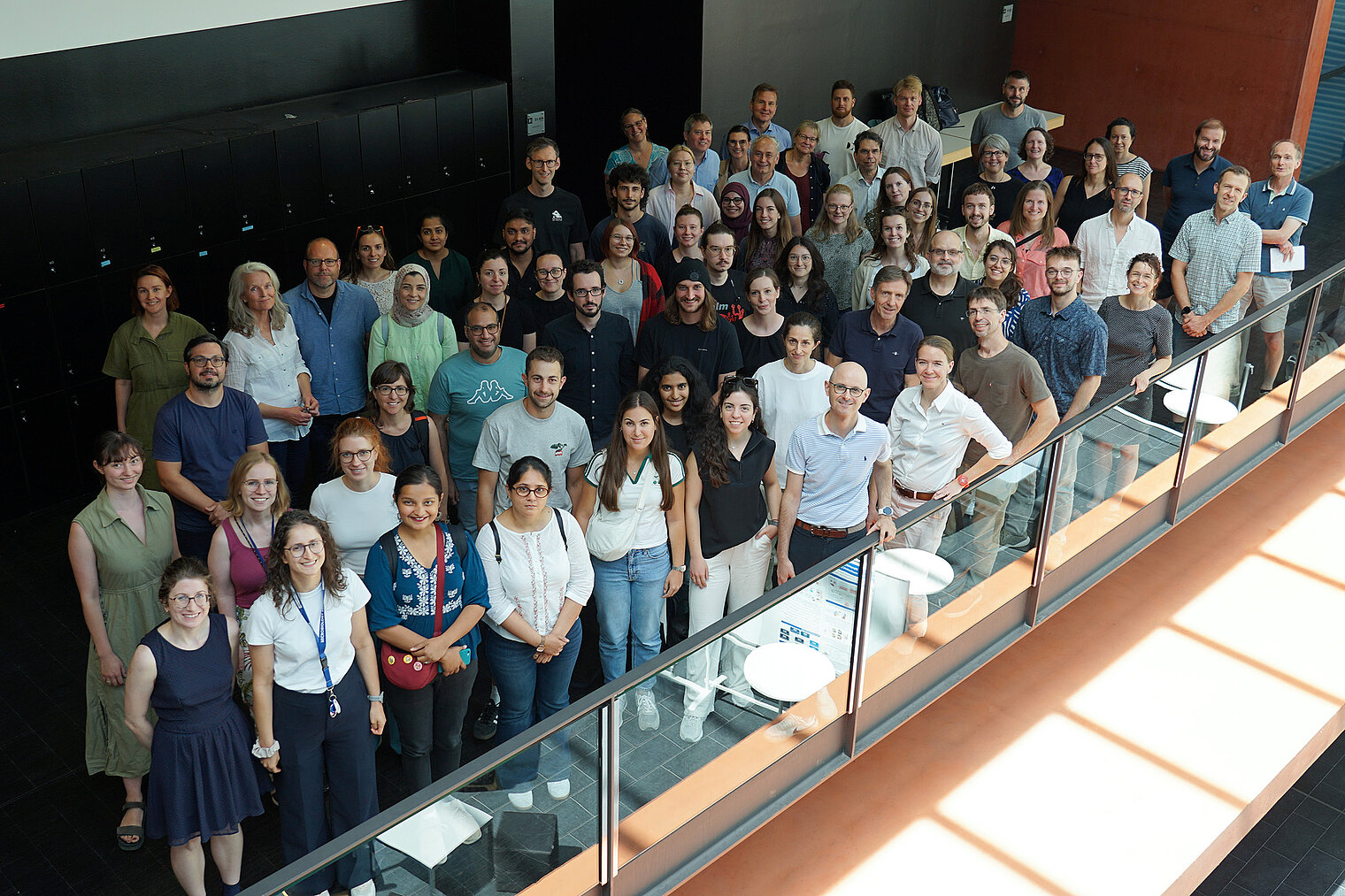
In DECIDE, around 60 researchers—including HIRI group leaders Jörg Vogel, Franziska Faber, and Emmanuel Saliba, Camilla Ciolli Mattioli, as well as HIRI-affiliated scientist Alexander Westermann—are investigating the critical decision-making processes that determine the course and outcome of infectious diseases: Why do some bacteria manage to establish themselves in the body? What mechanisms determine whether an infection remains localized or spreads throughout the entire organism? And under what conditions do acute infections develop into chronic conditions?
The interactions between pathogens, human tissue, and the immune system play a major role in answering such questions. The CRC aims to identify molecular switching points that significantly influence the course of infection and thus offer new targets for therapeutic interventions.
This could open up new possibilities for host-directed therapies. Unlike conventional antibiotics, which act directly against pathogens, such treatments harness the body's own mechanisms to improve defense against infections or limit harmful inflammatory responses.
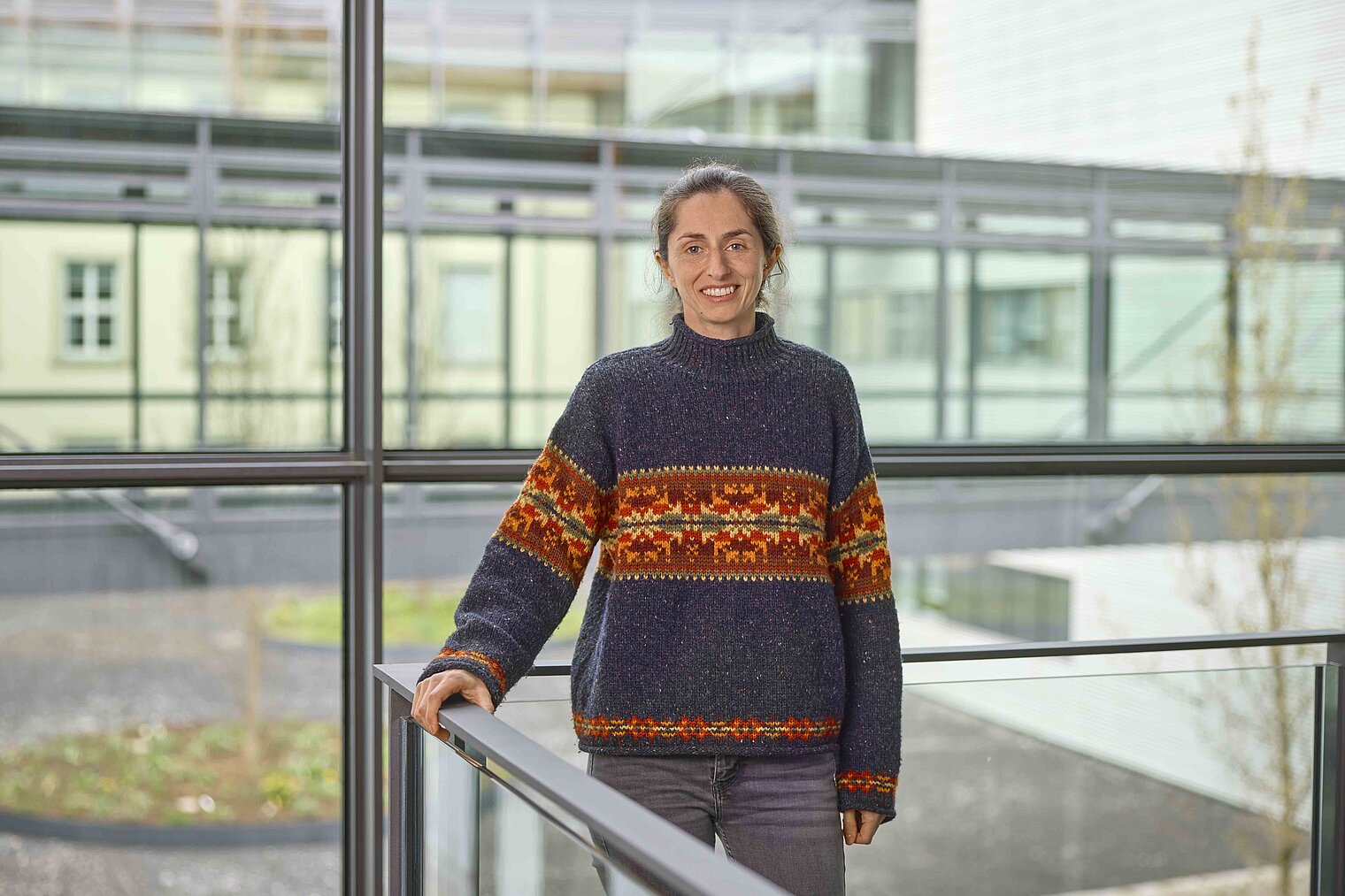
“Given the global rise in antibiotic resistance, we need new strategies to combat infectious diseases,” says Thomas Rudel, spokesperson for the CRC and Chair of Microbiology at the Biocenter of the University of Würzburg.
Review after the first four years
During the first funding period, the DFG provided the CRC with around 13 million euros in funding. The results are impressive: a total of 65 peer-reviewed publications attest to the high level of scientific productivity. Of these, 43 percent were published in leading international journals, while 29 percent resulted from cross-project collaborations.
DECIDE has developed a comprehensive biological framework to explain the varying courses of infection for 15 pathogens, including chlamydia, salmonella, and herpes viruses. To this end, the researchers defined three fundamental decision-making processes and their molecular “tipping points.” They now plan to analyze these in greater detail and target them therapeutically.