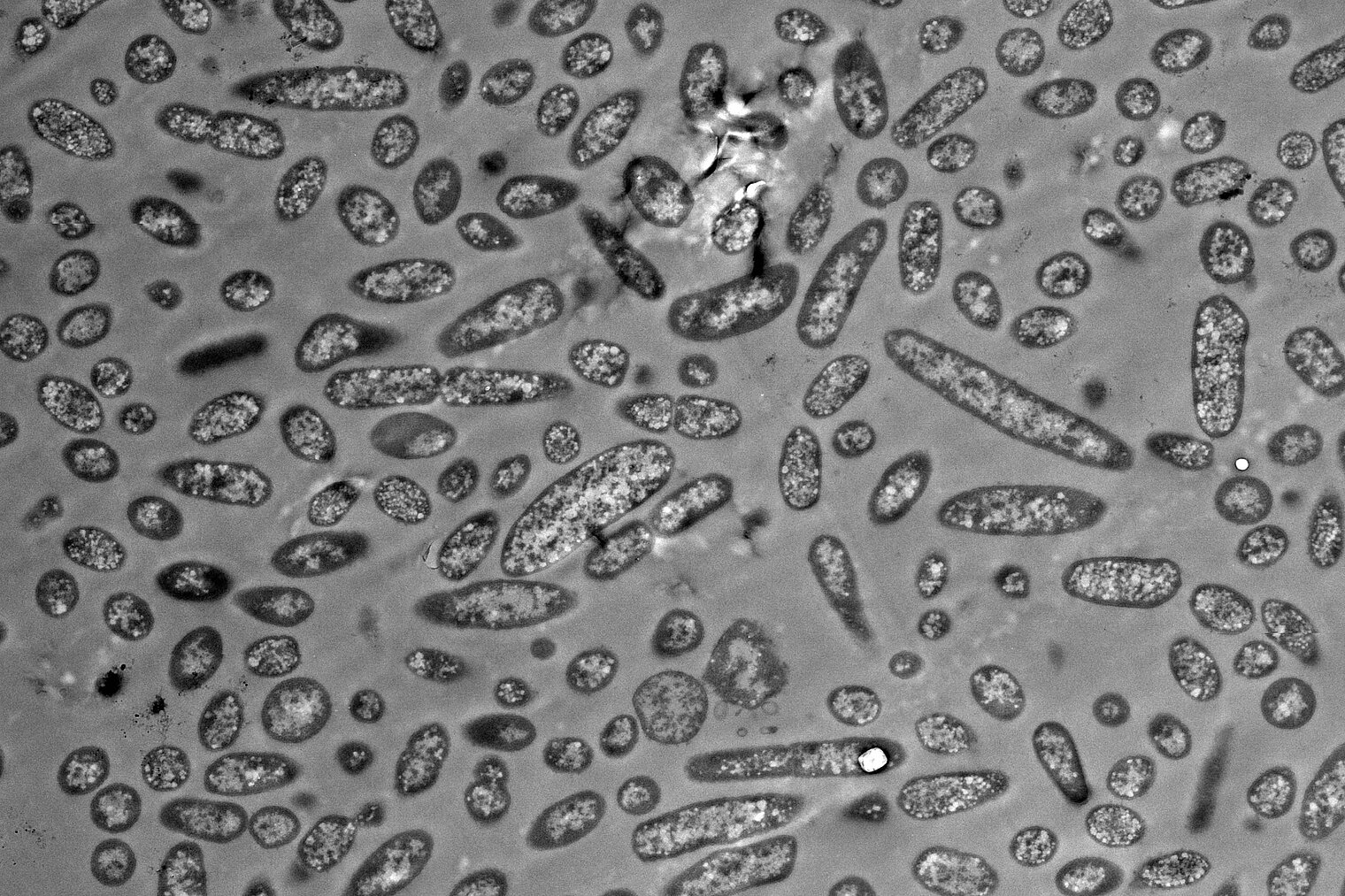
Trillions of bacteria live in the human gut. Many are beneficial: they aid digestion, produce vitamins, and protect against pathogens. One of the most important groups is Bacteroides. These gut residents are masters at breaking down complex sugars that humans cannot digest on their own. But not all bacterial populations occupy the same region of the gut. Some live freely in the gut lumen, while others are embedded in the thick mucus layer covering the intestinal wall. The latter is an especially challenging environment, where nutrients and iron are scarce. Microorganisms must also adapt their surfaces and metabolism to attach to the mucus and survive.
“Understanding how bacteria colonize these habitats is a central question in microbiome research,” says Alexander Westermann, professor at the Julius-Maximilians-Universität (JMU) and an affiliated scientist at the Helmholtz Institute for RNA-based Infection Research (HIRI). While proteins that regulate gene expression in the microbiota have been studied considerably, another class of regulators has recently attracted attention: small ribonucleic acids, or sRNAs.
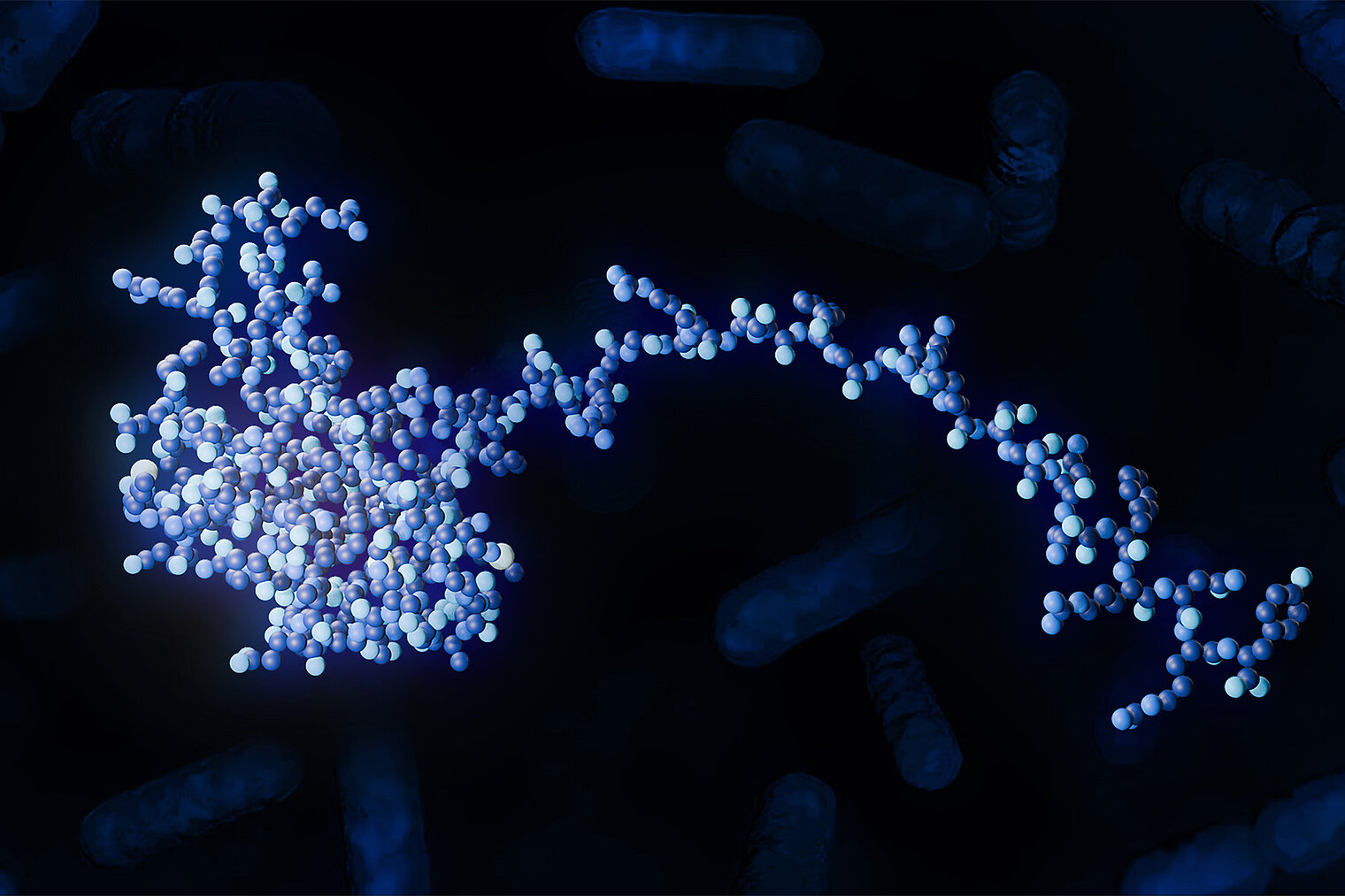
These short RNA molecules do not encode proteins but act as post-transcriptional switches, allowing microbes to adjust their physiology rapidly. To understand a healthy microbiota, it is essential to grasp how commensal bacteria, such as B. thetaiotaomicron, use these molecules to colonize specific regions of the gut. A team at HIRI—a site of the Braunschweig Helmholtz Centre for Infection Research (HZI) in cooperation with the Julius-Maximilians-Universität Würzburg (JMU)—has now, together with scientists from Vanderbilt Health in Nashville, Tennessee, discovered a novel sRNA that regulates gene expression as the bacteria colonize the gut lining. The team named it IroR. It responds in particular to iron scarcity and to the availability of mucus as a carbon source.
Discovery thanks to gut model
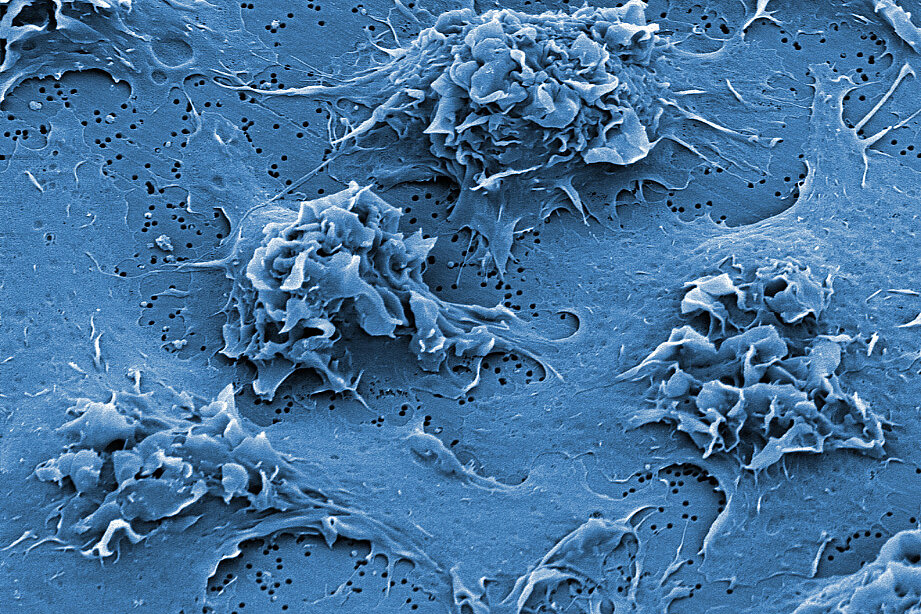
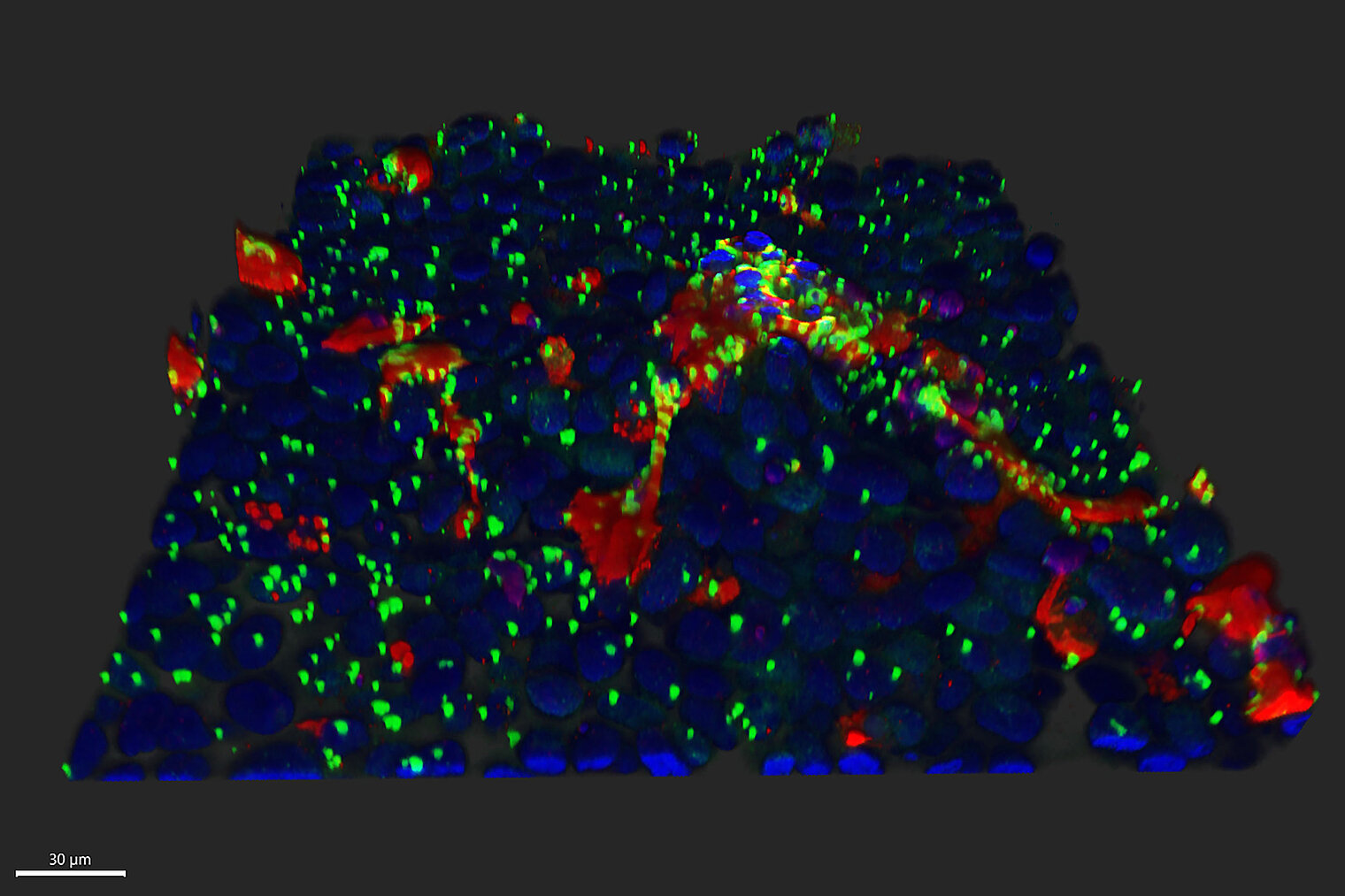
To study sRNAs in B. thetaiotaomicron, the team developed an in vitro model of the human gut with a functional mucus layer. Using dual RNA sequencing—a technique that captures gene expression in bacteria and host cells simultaneously—the researchers identified IroR and other regulatory RNAs that were specifically active in the mucus-associated bacterial population.
The team made several discoveries. “Unlike pathogens such as Salmonella, which trigger strong inflammation, colonization by B. thetaiotaomicron caused little damage. That is remarkable, given that the bacteria were in direct contact with the mucus,” explains Thomas Guest. A postdoctoral researcher in the Westermann lab, Guest is co-first author of the study. Instead, the host strengthened pathways that support the gut barrier—a sign that it actively tolerates the commensal bacterium.
While many bacterial small RNAs typically block their target genes, IroR does the opposite: it activates the translation of genes involved in using sugars from the host. IroR opens up inhibitory RNA structures that would otherwise block ribosomes—the molecular machines that translate genes into proteins. “This is a rare mechanism in bacteria,” says Westermann, who initiated the study with Wenhan Zhu from Vanderbilt Health.
In their experiments, the iroR mutant also outcompeted the wild type in vivo. “This means that IroR not only promotes fitness in a particular niche, but also balances trade-offs—for example, between iron uptake and adhesion. That enables the bacterium to adapt to changing conditions throughout the gut, not just in the mucus layer,” Gianluca Prezza says. Prezza earned his doctorate in Westermann's lab and, along with Ryan T. Fansler from Vanderbilt Health, is also one of the first authors of the publication.
A healthy relationship between humans and their microbiome
The findings point to new avenues for microbiome-based therapies. B. thetaiotaomicron is a common gut commensal in people who eat a Western-style diet, but its ability to use sugars from the host may carry a risk. “These properties could contribute to increased intestinal inflammation and associated diseases,” Guest says. In the colon, the bacterium can help break down complex dietary fibers. But when those fibers are scarce, the microbe can colonize the mucus layer and feed on it, weakening this vital barrier. A better understanding of these mechanisms could eventually help researchers alter B. thetaiotaomicron’s dietary preferences to promote a healthier relationship with the gut microbiota. “Ultimately, our goal is to understand the rules that determine microbial fitness in the gut well enough that we can predict—and eventually manipulate—how microbiomes respond to changes in diet, inflammation and disease,” Zhu says.
The team is already working on the next steps. “We want to find out whether there is further variation among the mucus-associated bacteria,” Westermann says. “Essentially, we aim to study these differences at the level of individual cells.” Guest adds: “In parallel, we are investigating whether we can selectively modify IroR or other genes to direct B. thetaiotaomicron to specific niches in the host.” This could be key to developing more precise, personalized microbiome-based therapies.