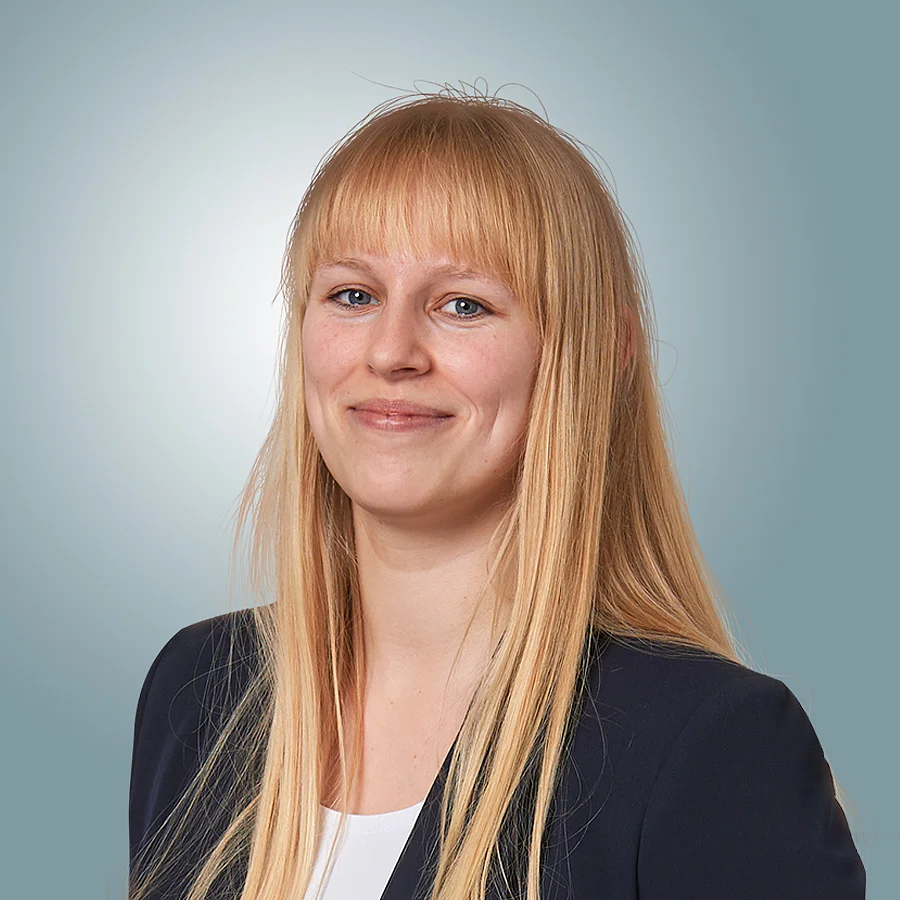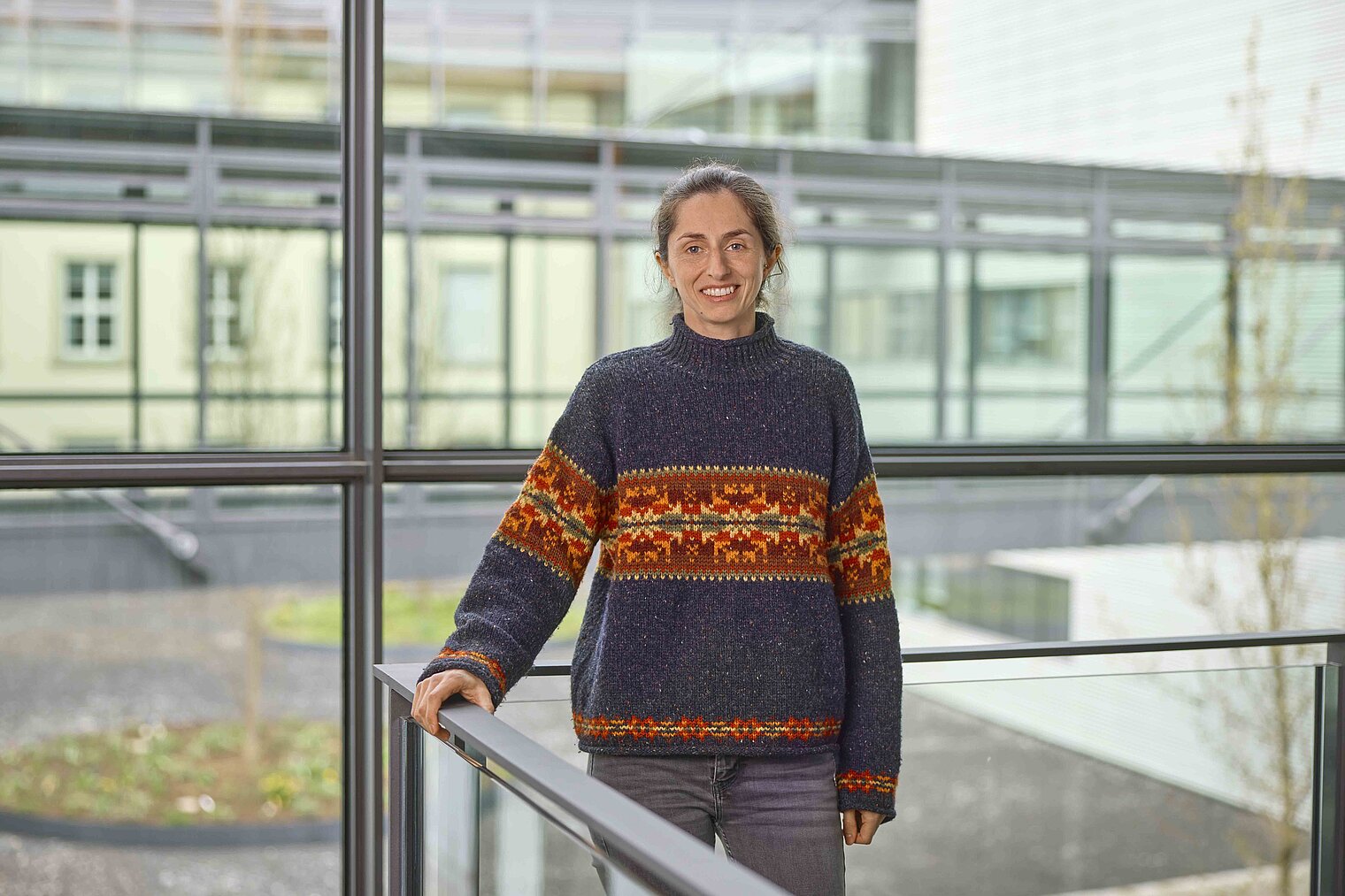
In between, however, she is repeatedly drawn back to the office—whether it’s to recruit new staff, apply for third-party funding, or write publications. Balancing hands-on research and administrative duties is typical during the early phase of building a new group.
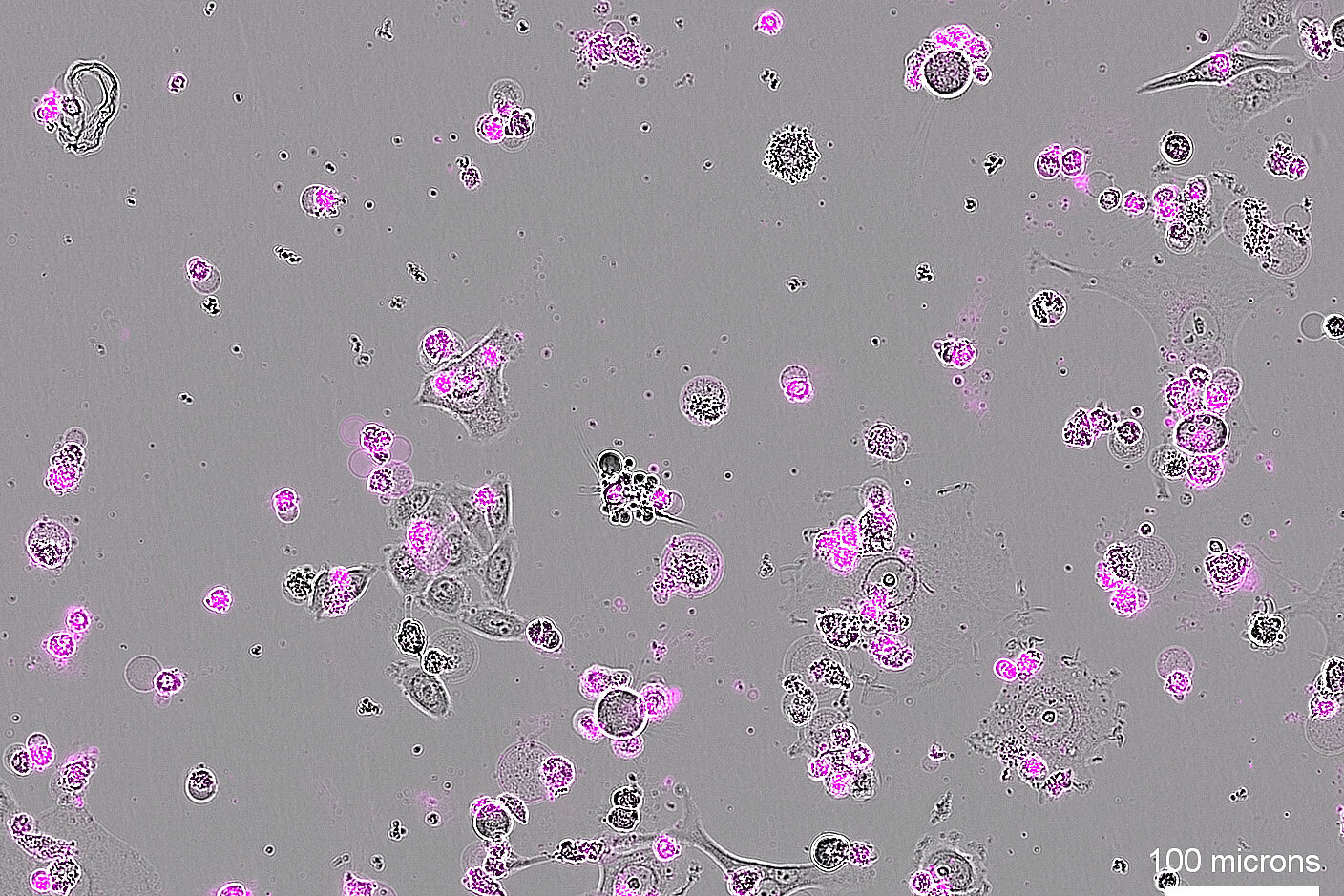
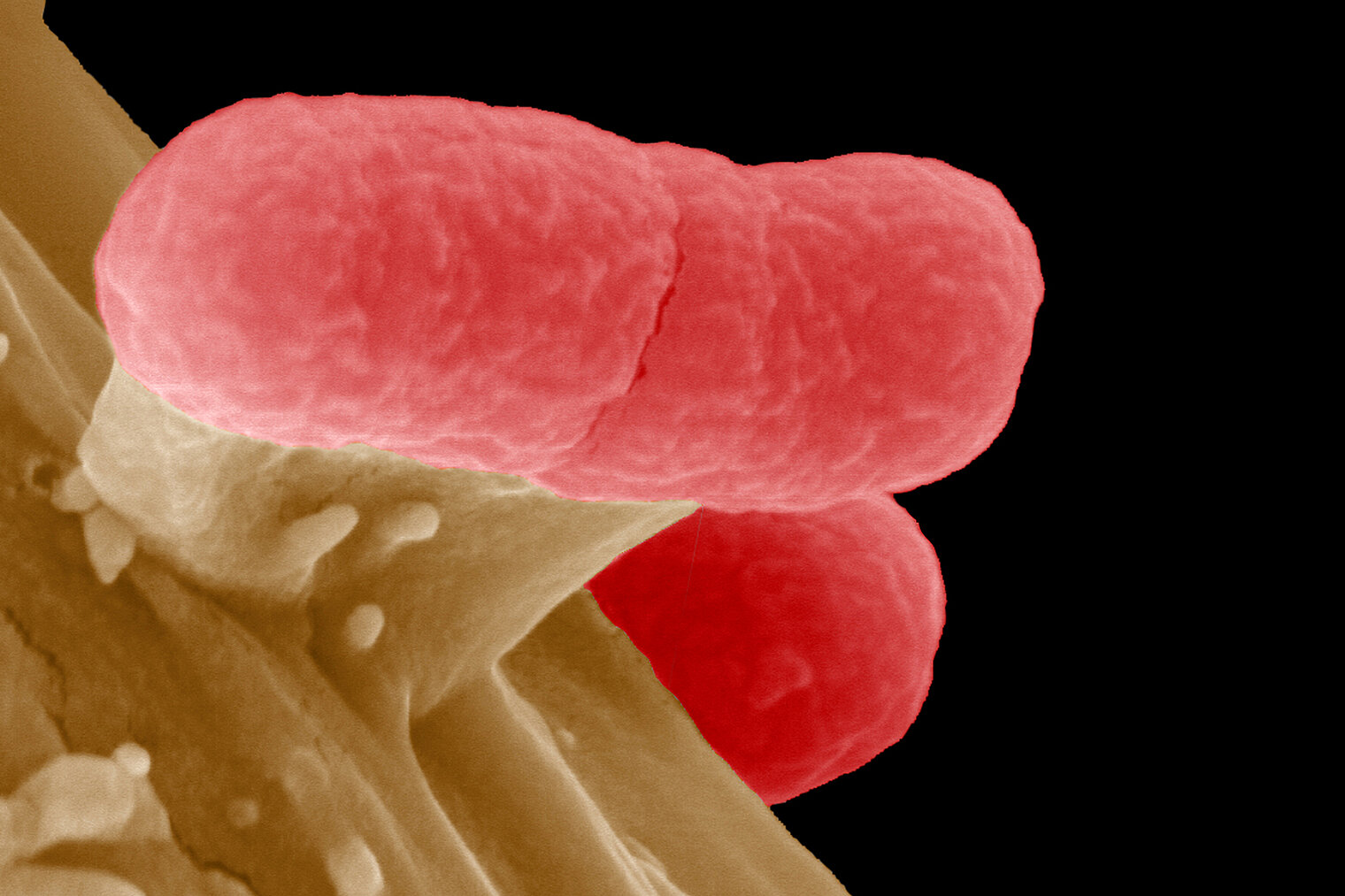
At the HIRI, her research group focuses on intracellular bacteria such as Salmonella, common causes of diarrheal diseases. These bacteria can invade human cells and hide inside them. In this way, they evade not only the immune system but often also the effects of medication. “They manipulate the host cell so they can survive better,” explains Ciolli Mattioli. They do this by releasing so-called effectors—molecules that specifically interfere with cellular processes in the host and alter them to create a more favorable environment for the bacteria.
Detective work at the level of cells and pathogens
Developing new methods and technologies is a major focus of her research at the HIRI. “Single-cell research is a well-established field, especially in eukaryotes. There are also approaches for bacteria. However, there is currently no method that enables simultaneous analysis of host and bacteria,” Ciolli Mattioli explains. She and her team aim to change this by establishing dual single-cell RNA sequencing, a method that allows the gene activity of host cells and bacteria to be measured simultaneously at the single-cell level. They also plan to map this within tissue using spatial transcriptomics.
The lab is trying to understand why infections can follow very different courses: Why are some host cells able to effectively eliminate pathogens, while others allow them to hide, survive, or even multiply?
These insights could point to new therapeutic targets, particularly against persistent bacteria. These are cells that survive antibiotic treatments without being genetically resistant. Instead, they enter a temporary dormant state or drastically reduce their metabolic activity. Since many antibiotics target active cellular processes, they are less effective during this phase. After treatment ends, however, the bacteria can “wake up” again and continue to multiply.
That Camilla Ciolli Mattioli would eventually end up in research was not obvious from the beginning. As a child, she wanted to work with animals. Later, at school in Italy, she initially chose a humanities-focused track, studying subjects such as Latin and Ancient Greek. Only afterward did she turn to the natural sciences; however, instead of physics, she ultimately chose biology—partly because she enjoys working with her hands. “I wanted to do something that is both scientific and practical,” she explains. This led her to study biotechnology in Florence, Italy.
A defining step
One opportunity shortly after her master's degree would shape the course of her career. “I applied for a program offering international internships and was fortunately selected,” she recalls. After working in a lab at the Berlin Institute for Medical Systems Biology, she was offered a PhD position there. Although she had already secured a position in Italy, she chose Berlin—“that definitely required courage.” The move marked the beginning of an international research career. “Being abroad, in another lab and away from home, helps you grow on many levels,” she says.
Afterwards, a position at the Weizmann Institute in Israel further shaped her both scientifically and personally. There, she not only learned new methodological approaches but also gained confidence: “I learned to ask more pointed questions and to contribute more actively,” she says.
Since January, Würzburg has been home to her and her family. “Würzburg is a very family-friendly city,” she emphasizes. She especially appreciates its manageable size: “You can get anywhere quickly, which makes many things easier.” During a recent visit to Berlin, she realized just how big an advantage that is: “During my PhD, I didn’t mind the long distances there. But today I would have to manage that every day with a small child—that would be very exhausting.”
She is also enthusiastic about the nature surrounding the picturesque city on the Main River. On weekends, she enjoys going on bike rides with her family—along the river or through parks, past blooming trees and plants. Between science and family life, there is currently little time left for her other hobbies, such as contemporary dancing. All the more consciously, she creates small moments of rest, such as taking a hot shower after a long day: “It’s like a reset for me,” she says. And the next day, new questions already await her in the lab.