Person with arms spread wide in front of a globe
The One Health cohort is a flagship initiative within the One Health Exploratories
News

Launching a One Health Cohort in Côte d’Ivoire

In early 2026, HIOH and its collaborators are launching a central component of the One Health Exploratories

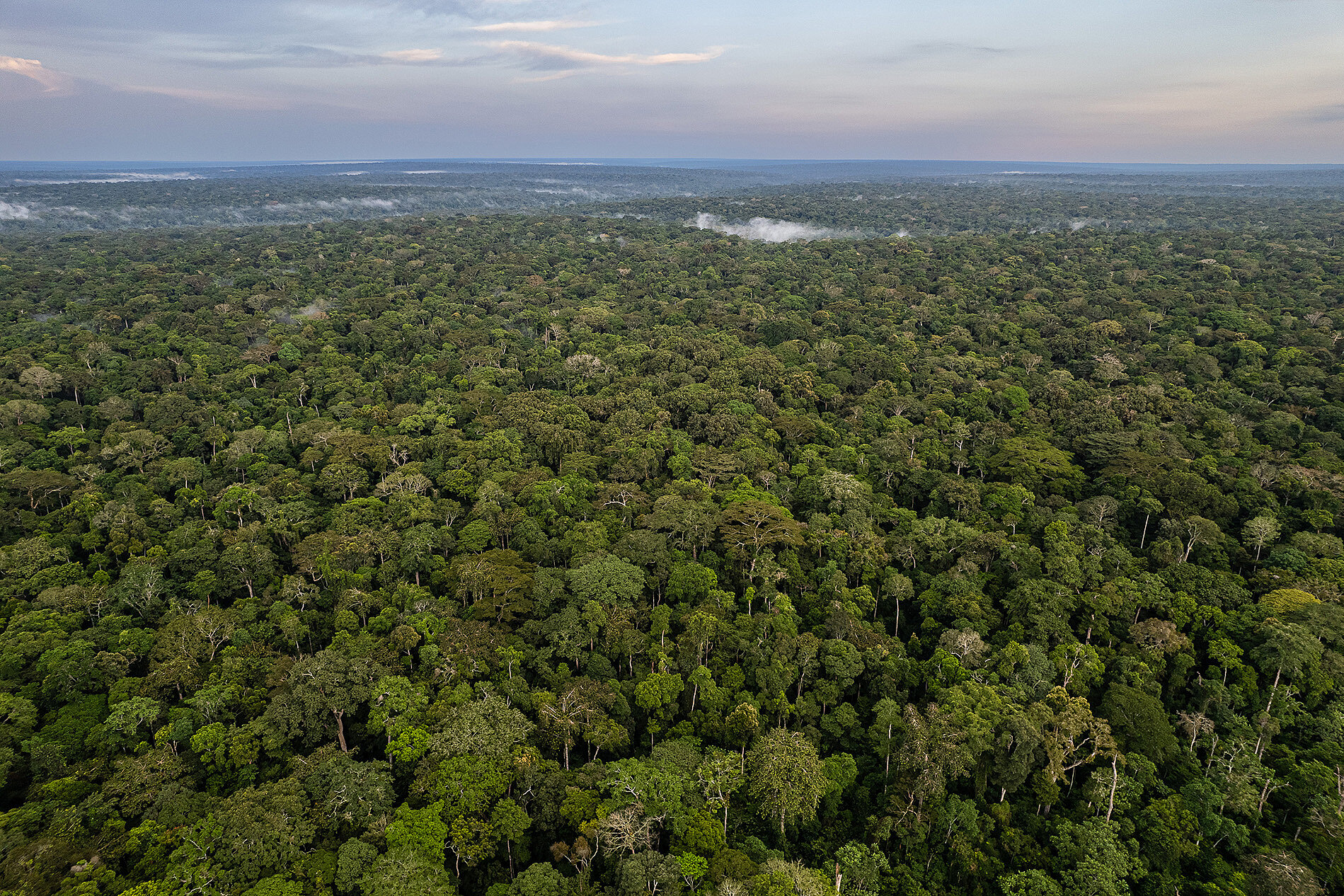
Zoonotic diseases — infections that can pass between animals and humans — are a growing global health challenge, particularly in regions where people live in close contact with wildlife. Understanding these interactions lies at the heart of the One Health approach. The Helmholtz Institute for One Health (HIOH) and its partners are now launching their first unique One Health cohort initiative in and around Taï National Park, Côte d’Ivoire, as part of the One Health Exploratories. HIOH is a site of the Helmholtz Centre for Infection Research (HZI).

Coordinated by the HIOH research group “One Health Surveillance“, this long-term effort aims to deepen the understanding of the links between human, animal and environmental health in order to detect potential spillover events early and strengthen preparedness for future pandemics. 

As part of this initiative, the teams will engage with 1,500 people living in villages around the park. The study will be implemented together with around 50 Ivorian staff on site. Temporary examination centers will be set up to examine human participants, collect samples, and conduct structured questionnaires. In parallel, veterinary teams will collect samples from domestic and farm animals, while a dedicated small mammal team will sample rodents and bats within the villages. This work will be complemented by a comprehensive environmental monitoring program, including water sampling and biodiversity surveys. Overall, 15 HIOH staff members will be deployed to Côte d’Ivoire between mid-February and the end of May 2026.

The initiative draws on HIOH’s long-standing presence in the region and years of joint preparatory work by HIOH, the Centre Hospitalier et Universitaire (CHU) de Bouaké, the Centre Suisse de Recherches Scientifiques, the HZI and the Friedrich Loeffler Institute. Together, we developed the study design through a series of collaborative workshops and extended field stays.

The samples and data generated through this globally unique effort will offer novel opportunities to better understand the emergence of zoonotic diseases and antimicrobial resistance, while opening up new avenues for research and cooperation.
Further information

Through a blog started in January 2026, the HIOH team will provide updates on the preparations and progress from the field.

Blog on the HIOH website

Interdisciplinarity is key
  • Medical examination team: Ivorian and German medical staff run the examination centers
  • Questionnaire team: Community members together with social scientists conduct questionnaires on households and individual participants
  • Veterinary teams: Three teams of experienced Ivorian and German veterinary staff collect livestock samples, a fourth team focuses on small mammal and environmental sampling
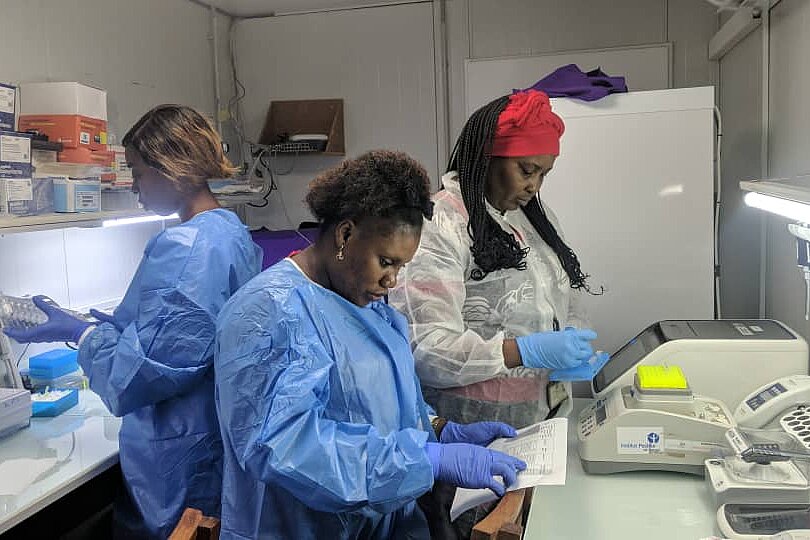
  • Laboratory team: processes all samples in the field lab
  • Data management team: supports all parts of the process from data and sample collection to safe storage
  • Field coordination team: One Health experts from CHU Bouaké, CSRS and HIOH act as focal points for all other teams, ensuring that the pieces of the puzzle all come together in the end
Stephanie Markert

Press contact

Dr Stephanie Markert
Scientific Coordinator