One Health Surveillance

Our Research
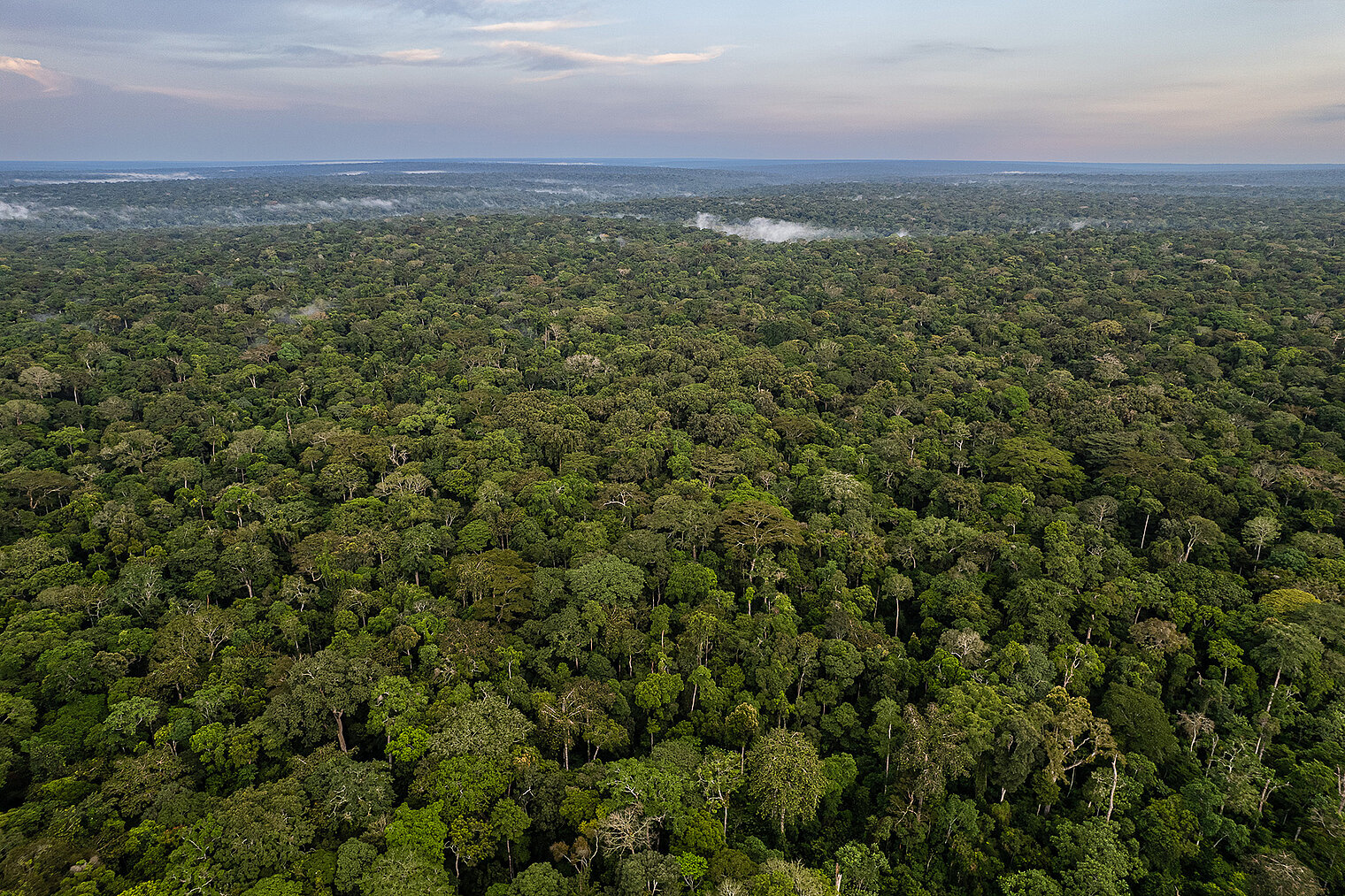
At the core of our work are the One Health Exploratories (OHEs), long-term research efforts that enable integrated, longitudinal surveillance of human, animal, and environmental health. These activities are anchored in two priority regions. In the African tropics, we work in rain forest ecosystems and neighboring communities – areas characterized by high biodiversity as well as rapid ecological change. Here, close human–animal contact, limited health infrastructure, and increasing risks of disease emergence intersect. In parallel, the OHS group conducts research in Mecklenburg-Western Pomerania in Northeast Germany, building on local projects and existing cohort studies (e.g. SHIP - Study of Health in Pomerania). In this region, low population density and intensive agricultural land use shape human-animal interactions. Across both regions, third-party funded studies complement continuous OHS core activities. The resulting data enable comparative global analyses and foster knowledge transfer, both into the local communities and internationally.
One Health Exploratories
One Health Exploratories are long-term, interdisciplinary research infrastructures embedded in these priority regions. Initial pilot sites in sub-Saharan Africa —Taï National Park in Côte d’Ivoire and the Dzanga-Sangha Protected Areas in the Central African Republic—are fully established and operational.
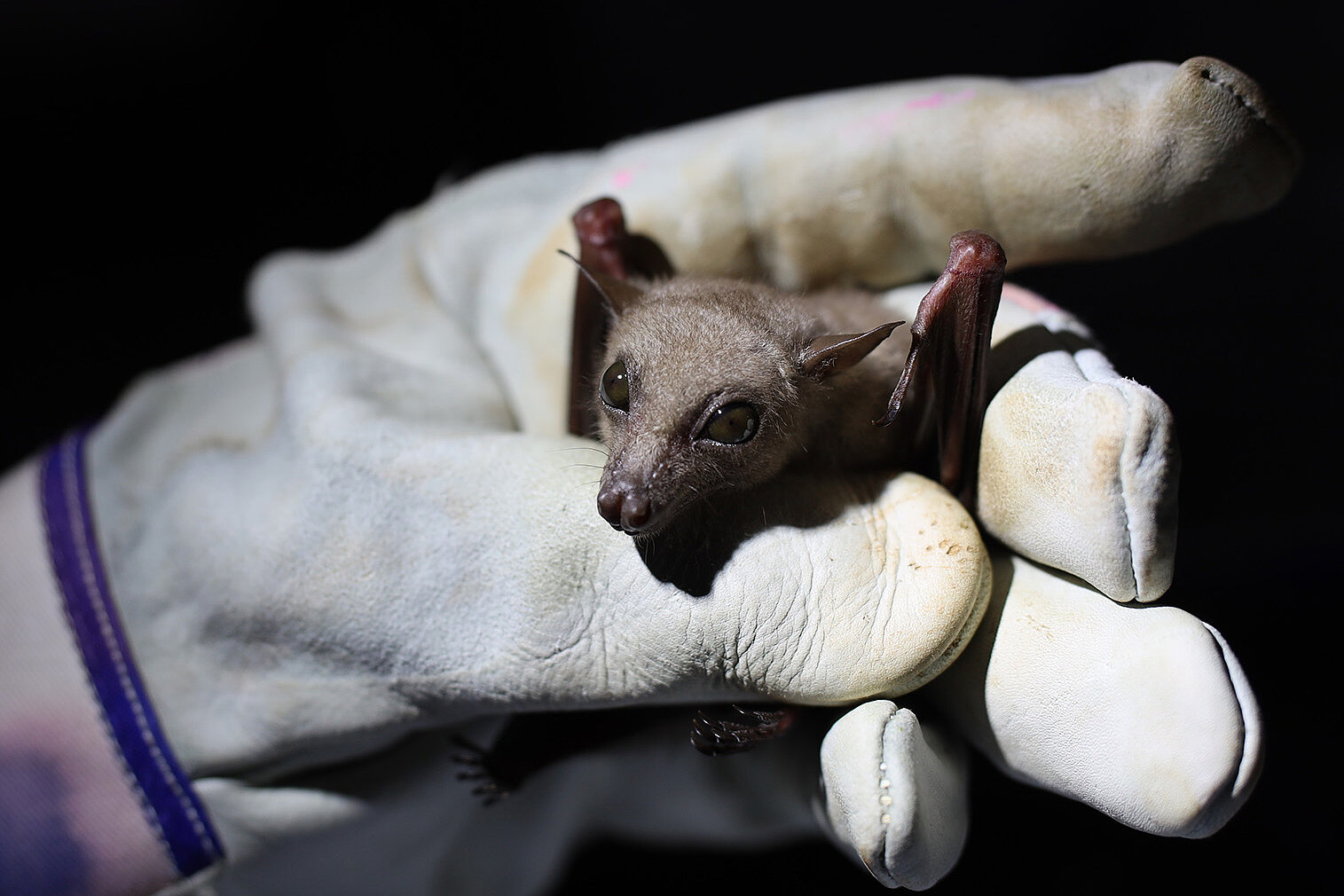
Similar to ‘weather stations’ of life, the Exploratories record and combine clinical monitoring of human health (in collaboration with hospitals and village health posts), long-term cohort studies within the population, systematic documentation of human–animal–environment interactions, as well as data on nutrition and socio-economic conditions. These are complemented by innovative wildlife monitoring, environmental, climate, and biodiversity measurements, and systematic recording of domestic animal health.
Developed in close collaboration with local partners and communities, the Exploratories enable early detection of emerging pathogens and support the co-development of sustainable strategies for pandemic prevention, health, and resilience. Designed as scalable models, they provide a blueprint for replication and expansion worldwide.
More about One Health Exploratories
One Health Cohort
In early 2026, HIOH and its cooperation partners launched the first One Health cohort in Côte d'Ivoire – a central pillar of our One Health Exploratories. Through medical examinations of healthy volunteers and their animals, combined with comprehensive surveys and a range of environmental samples, the cohort captures interactions between human, animal, and environmental health. The data collection will be repeated at regular intervals over many years, enabling the early identification of health trends associated with changing environmental and living conditions.
Further information on the cohort, as well as regular updates and insights from the day-to-day work of the HIOH cohort team in the field, can be found on our blog.
More about the One Health Cohort
One Health Clinical Surveillance
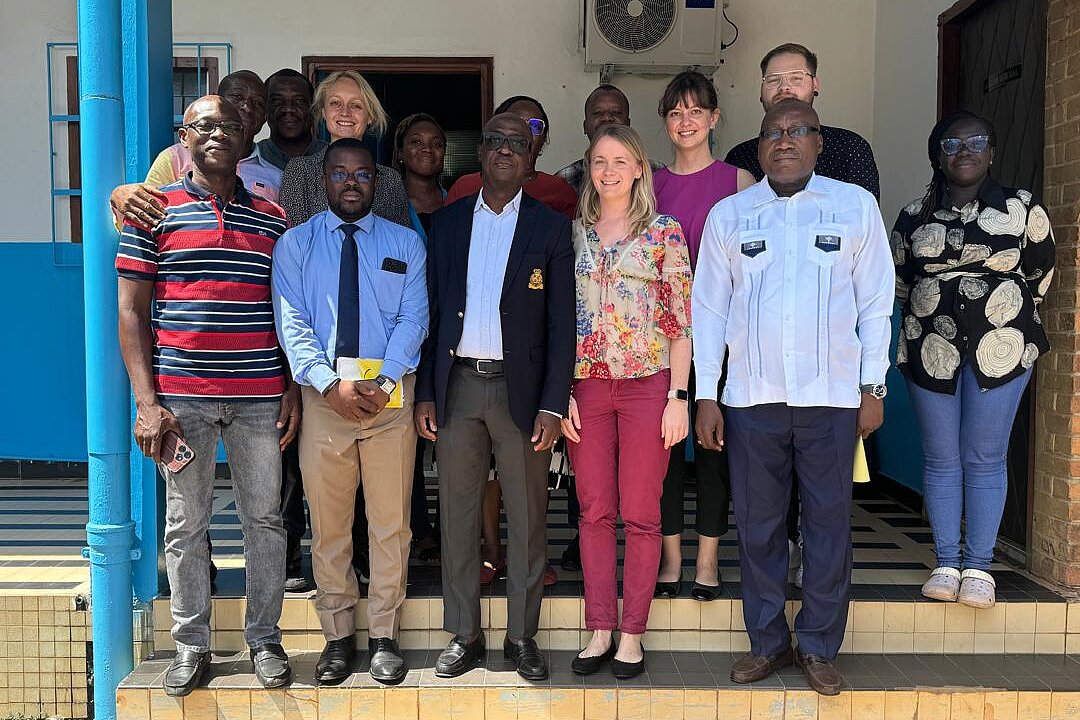
Another core component of the One Health Exploratories has been expanding in the Central African Republic since fall 2025: In close collaboration with local health workers, we support village health posts in patient sampling, document environmental and animal exposure, and strengthen basic clinical and diagnostic capacities.
The integration of clinical human samples with data from wildlife monitoring, environmental analyses, and socio-economic surveys enables the early detection of zoonotic pathogens and strengthens local public health capacities and outbreak response.
Our Research
At the core of our work are the One Health Exploratories (OHEs), long-term research efforts that enable integrated, longitudinal surveillance of human, animal, and environmental health. These activities are anchored in two priority regions. In the African tropics, we work in rain forest ecosystems and neighboring communities – areas characterized by high biodiversity as well as rapid ecological change. Here, close human–animal contact, limited health infrastructure, and increasing risks of disease emergence intersect. In parallel, the OHS group conducts research in Mecklenburg-Western Pomerania in Northeast Germany, building on local projects and existing cohort studies (e.g. SHIP - Study of Health in Pomerania). In this region, low population density and intensive agricultural land use shape human-animal interactions. Across both regions, third-party funded studies complement continuous OHS core activities. The resulting data enable comparative global analyses and foster knowledge transfer, both into the local communities and internationally.
One Health Exploratories
One Health Exploratories are long-term, interdisciplinary research infrastructures embedded in these priority regions. Initial pilot sites in sub-Saharan Africa —Taï National Park in Côte d’Ivoire and the Dzanga-Sangha Protected Areas in the Central African Republic—are fully established and operational.
Similar to ‘weather stations’ of life, the Exploratories record and combine clinical monitoring of human health (in collaboration with hospitals and village health posts), long-term cohort studies within the population, systematic documentation of human–animal–environment interactions, as well as data on nutrition and socio-economic conditions. These are complemented by innovative wildlife monitoring, environmental, climate, and biodiversity measurements, and systematic recording of domestic animal health.
Developed in close collaboration with local partners and communities, the Exploratories enable early detection of emerging pathogens and support the co-development of sustainable strategies for pandemic prevention, health, and resilience. Designed as scalable models, they provide a blueprint for replication and expansion worldwide.
More about One Health Exploratories
One Health Cohort
In early 2026, HIOH and its cooperation partners launched the first One Health cohort in Côte d'Ivoire – a central pillar of our One Health Exploratories. Through medical examinations of healthy volunteers and their animals, combined with comprehensive surveys and a range of environmental samples, the cohort captures interactions between human, animal, and environmental health. The data collection will be repeated at regular intervals over many years, enabling the early identification of health trends associated with changing environmental and living conditions.
Further information on the cohort, as well as regular updates and insights from the day-to-day work of the HIOH cohort team in the field, can be found on our blog.
More about the One Health Cohort
One Health Clinical Surveillance
Another core component of the One Health Exploratories has been expanding in the Central African Republic since fall 2025: In close collaboration with local health workers, we support village health posts in patient sampling, document environmental and animal exposure, and strengthen basic clinical and diagnostic capacities.
The integration of clinical human samples with data from wildlife monitoring, environmental analyses, and socio-economic surveys enables the early detection of zoonotic pathogens and strengthens local public health capacities and outbreak response.
Fee Zimmermann
The practical implementation of the One Health approach is imperative for a responsible use of resources.
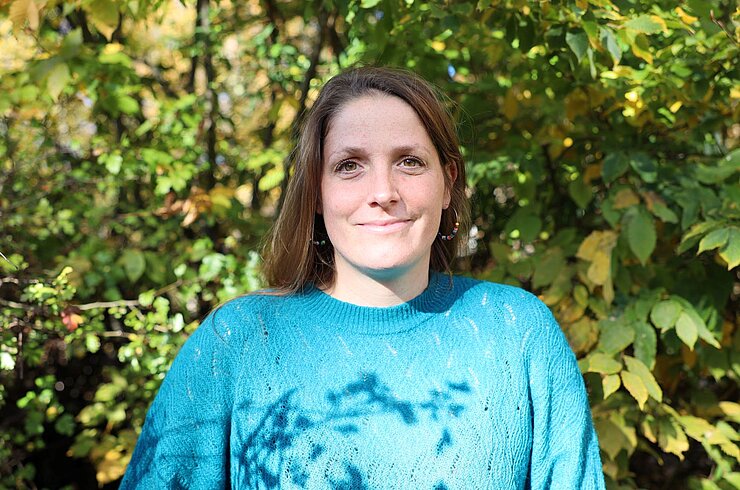
Fee Zimmermann is a veterinarian specialized in outbreak investigations in the One Health context. As a PhD student at Robert Koch Institute, Berlin, she studied the novel Anthrax causing pathogen Bacillus cereus biovar anthracis, which is responsible for deaths in numerous wildlife species in West and Central Africa (Hoffmann & Zimmermann, Nature 2017). During this time, she was part of an interdisciplinary mission to Guinea investigating the origin of the 2014 West African Ebola epidemic. From 2016 to 2022, Fee Zimmermann worked at the Bundeswehr Institute of Microbiology (IMB) in Munich in the Department of Medical Bio-Reconnaissance & Verification. Here she was responsible for veterinary diagnostics in the rapidly deployable laboratory for the worldwide investigation of unusual disease outbreaks and suspected use of biological weapons. Her responsibilities also included developing field diagnostic assays, as well as leading a project to promote biosecurity in the Sahel. In 2022, Fee Zimmermann assumed leadership of the One Health Surveillance unit at the Helmholtz Institute for One Health in Greifswald, Germany. Her passion is to bring people from different scientific fields together and to bring state-of-the-art methods into the field. She also serves as an Associate Editor for Frontiers in Veterinary Science.
Selected Publications
Braun P, Zimmermann F, Walter M, Mantel S, Aistleitner K et al. (2021) In-depth analysis of Bacillus anthracis 16S rRNA genes and transcripts reveals intra- and intergenomic diversity and facilitates anthrax detection. mSystems, 2021 Feb 22;7(1):e0136121 DOI: 10.1128/msystems.01361-21
Gummelt C, Dupke S, Howaldt S, Zimmermann F, Scholz HC, Laue M, Klee SR. Analysis of Sporulation in Bacillus cereus Biovar anthracis Which Contains an Insertion in the Gene for the Sporulation Factor σK. Pathogens. 2023 Dec 13;12(12):1442. Doi: 10.3390/pathogens12121442
Zimmermann F, Köhler SM, Nowak K, Dupke S, Barduhn A et al. (2017) Low antibody prevalence against Bacillus cereus biovar anthracis in Taï National Park, Côte d’Ivoire, indicates high rate of lethal infections in wildlife. PLoS Neglected Tropical Diseases, Sep 21;11(9):e0005960. DOI: 10.1371/journal.pntd.0005960
Hoffmann C & Zimmermann F* , Biek R, Kuehl H, Nowak K et al. (2017) Persistent anthrax as a major driver of wildlife mortality in a tropical rainforest. Nature, 548(7665),82-86. DOI: 10.1038/nature23309
Saez A, Weiß S, Nowak K, Lapeyre V, Zimmermann F et al. (2015) Investigating the zoonotic origin of the West African Ebola epidemic. EMBO Mol Med. 2015 Jan; 7(1): 17–23. DOI: 10.15252/emmm.201404792