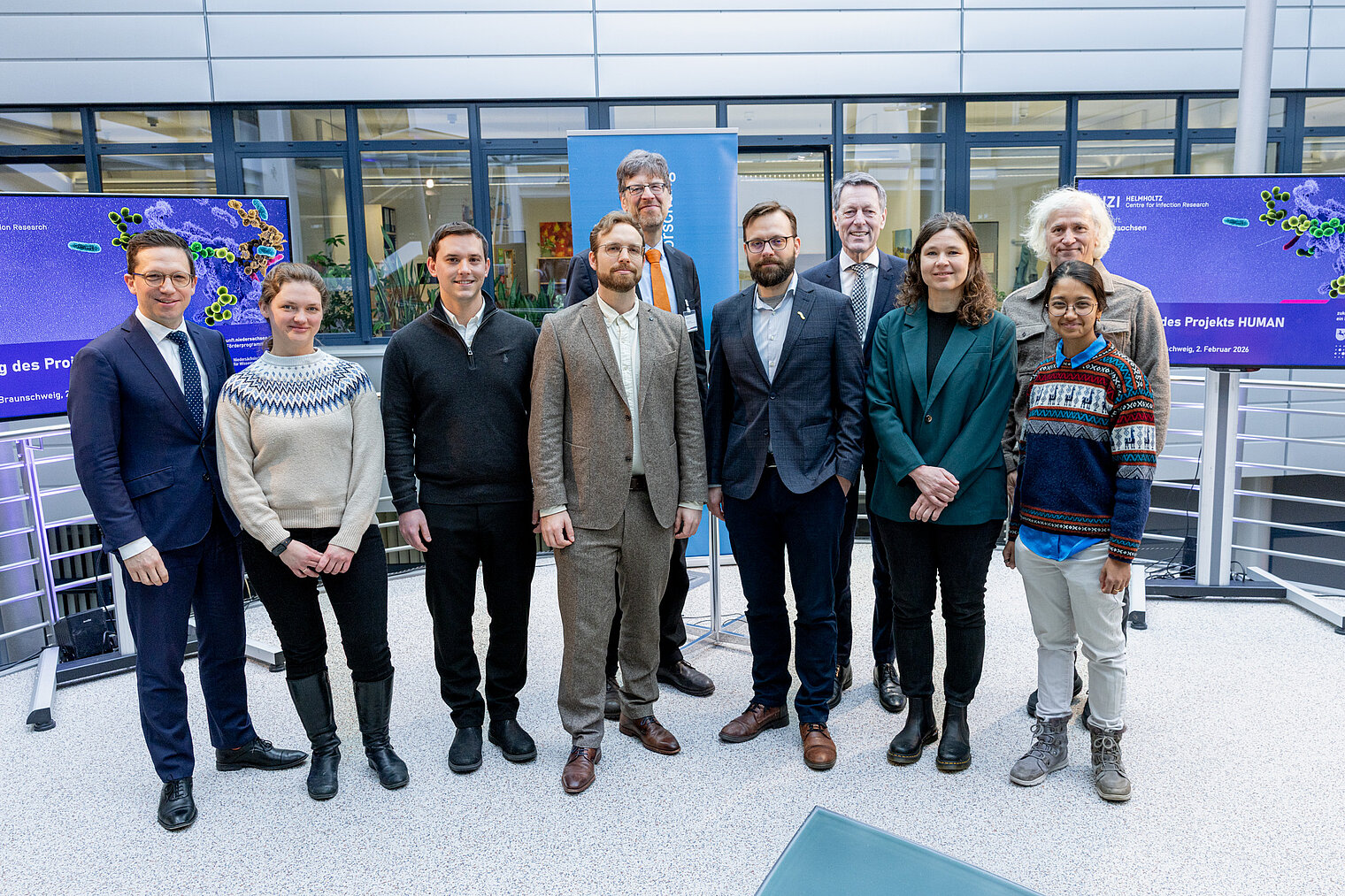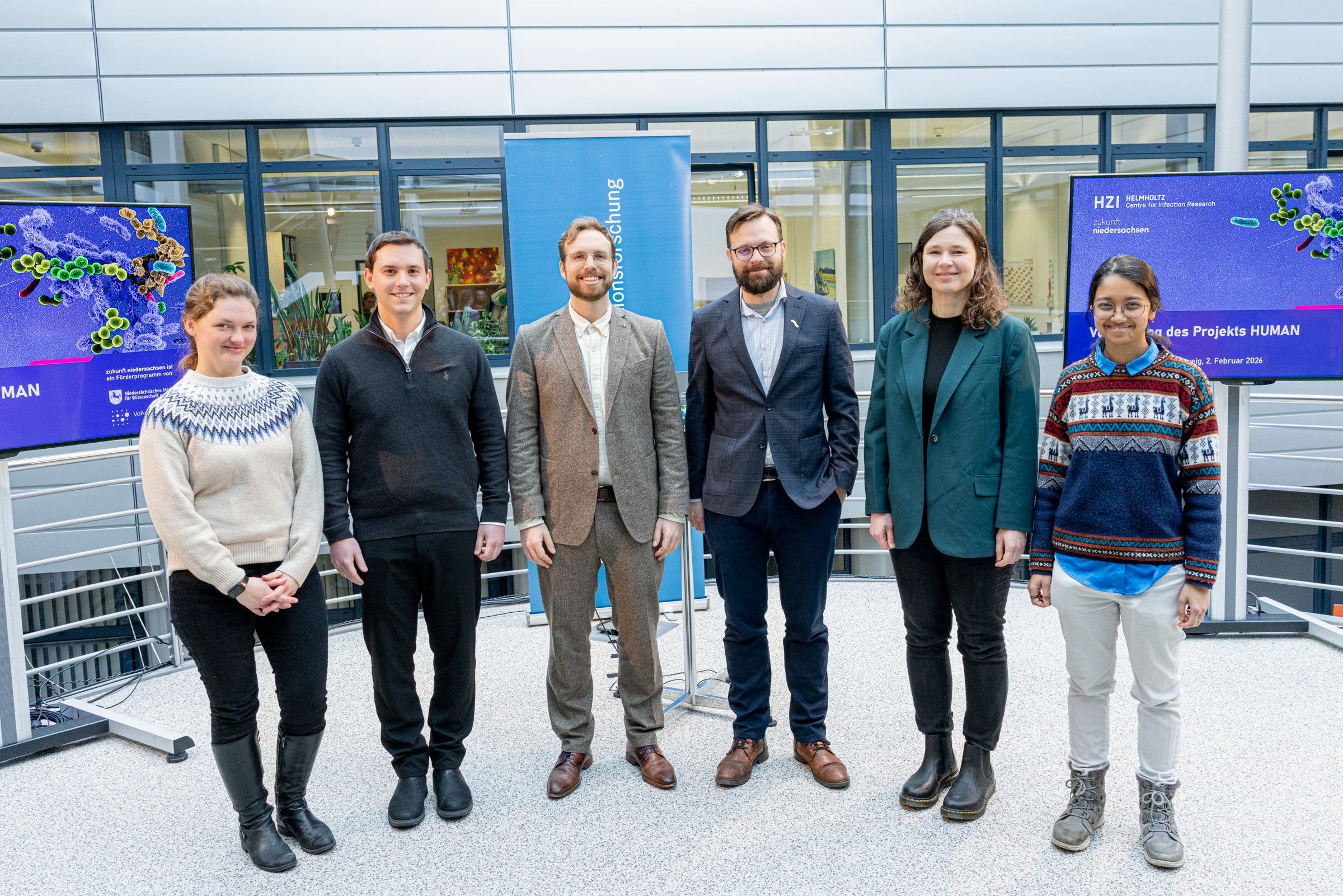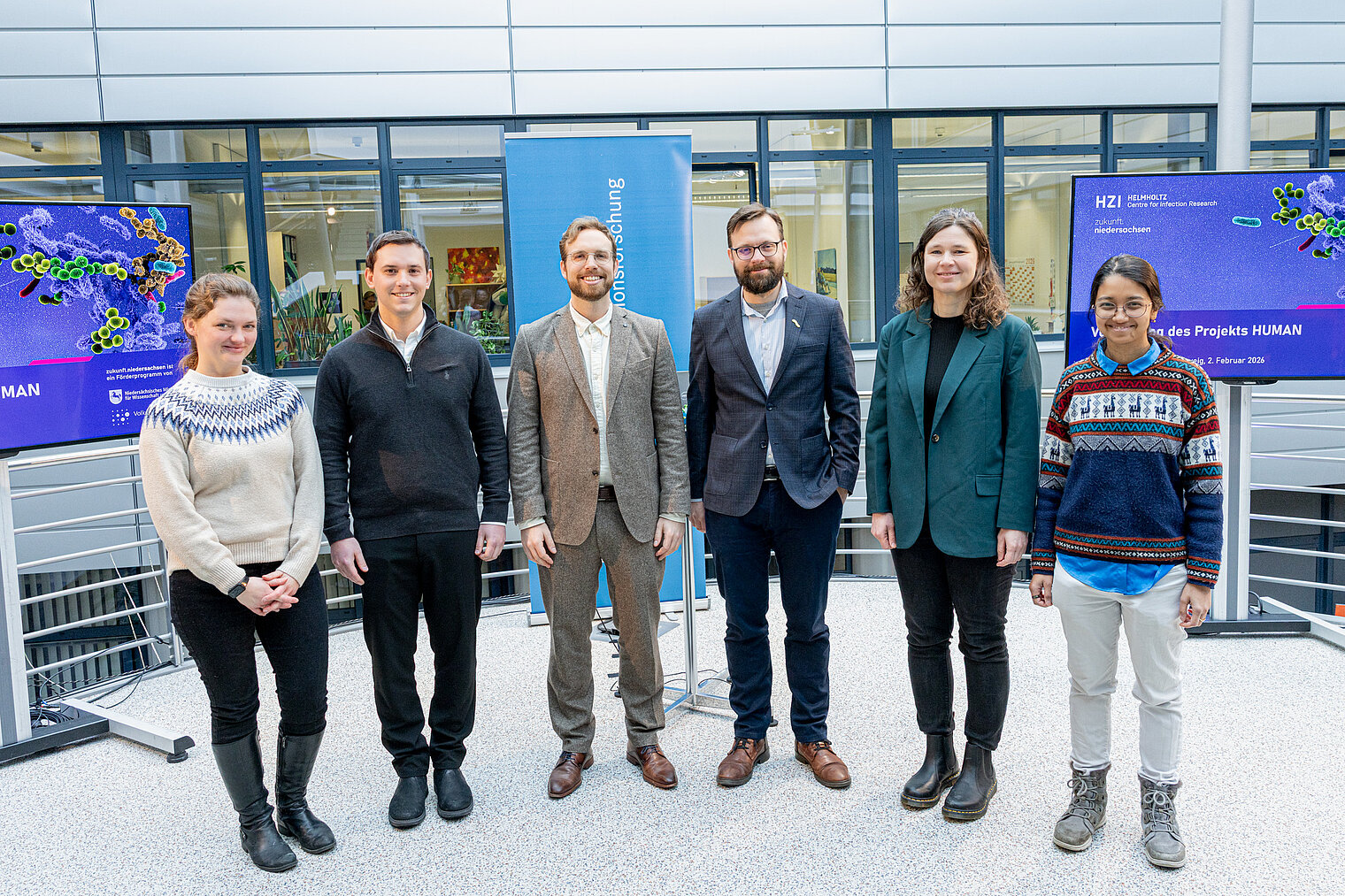
At the heart of the program are the new junior research group leaders—the next generation of top researchers at the HZI. As of August 2026, seven scientists from Germany and abroad have already been recruited for such positions in Braunschweig.
During the interim evaluation, the project leadership and the junior research group leaders hired to date presented their research to a panel of experts, outlining the project’s progress and plans for its future direction. The reviewers praised the progress made so far and the selection of researchers.
In the future, the project will place greater emphasis on collaboration with clinical researchers. This will involve specifically engaging physicians who work in hospitals or other medical facilities and wish to continue conducting research concurrently. The aim is to ensure that problems encountered in everyday clinical practice are directly incorporated into research. There will be a stronger focus on transferring new findings into practical application, and the infrastructure will be tailored to the researchers’ needs.
In addition, the hiring process is currently underway for four more research group leaders, who will explore their scientific questions using, among other things, artificial intelligence (AI). Two of these prospective junior research group leaders will conduct research at the Braunschweig Center for Systems Biology (BRICS), the interdisciplinary and internationally oriented research center for systems biology and part of the “Engineering for Health” research cluster at the Technical University of Braunschweig.
With this successful review, an additional 38 million euros has now been allocated to HUMAN. For the remainder of the project’s term through 2036, a total of approximately 70 million euros will be available to the project, making it the largest single grant awarded by zukunft.niedersachsen.