Through its annual prize for postdoctoral researchers, the Foundation honors innovative work that yields significant new insights into infectious diseases. This year’s prize winners demonstrate how modern methods in basic research can help unravel biological mechanisms that have so far remained poorly understood – shedding light on the survival strategies of pathogens and opening up new ways to combat them.
Using viruses against resistant bacteria: New insights into the world of bacteriophages
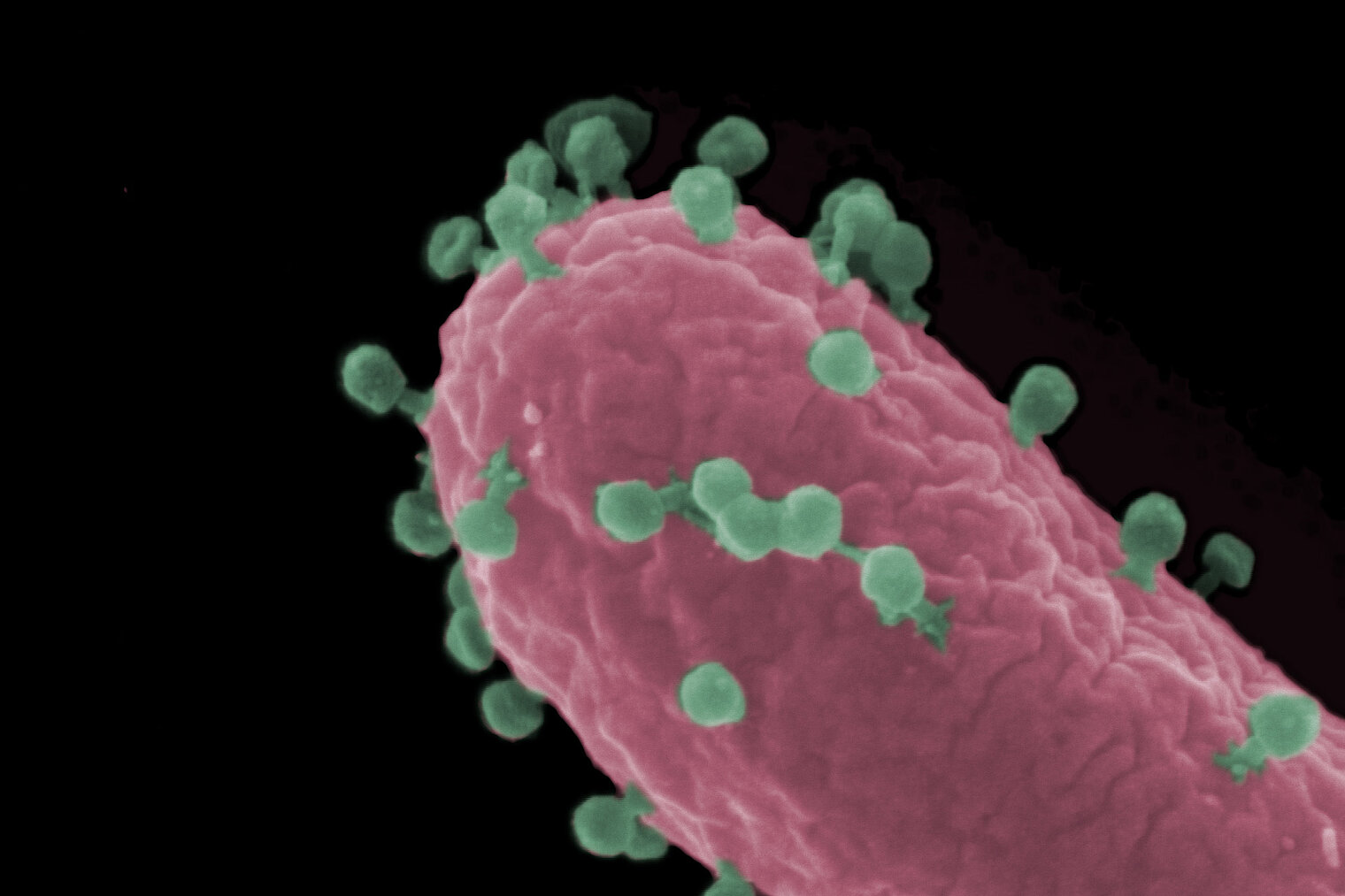
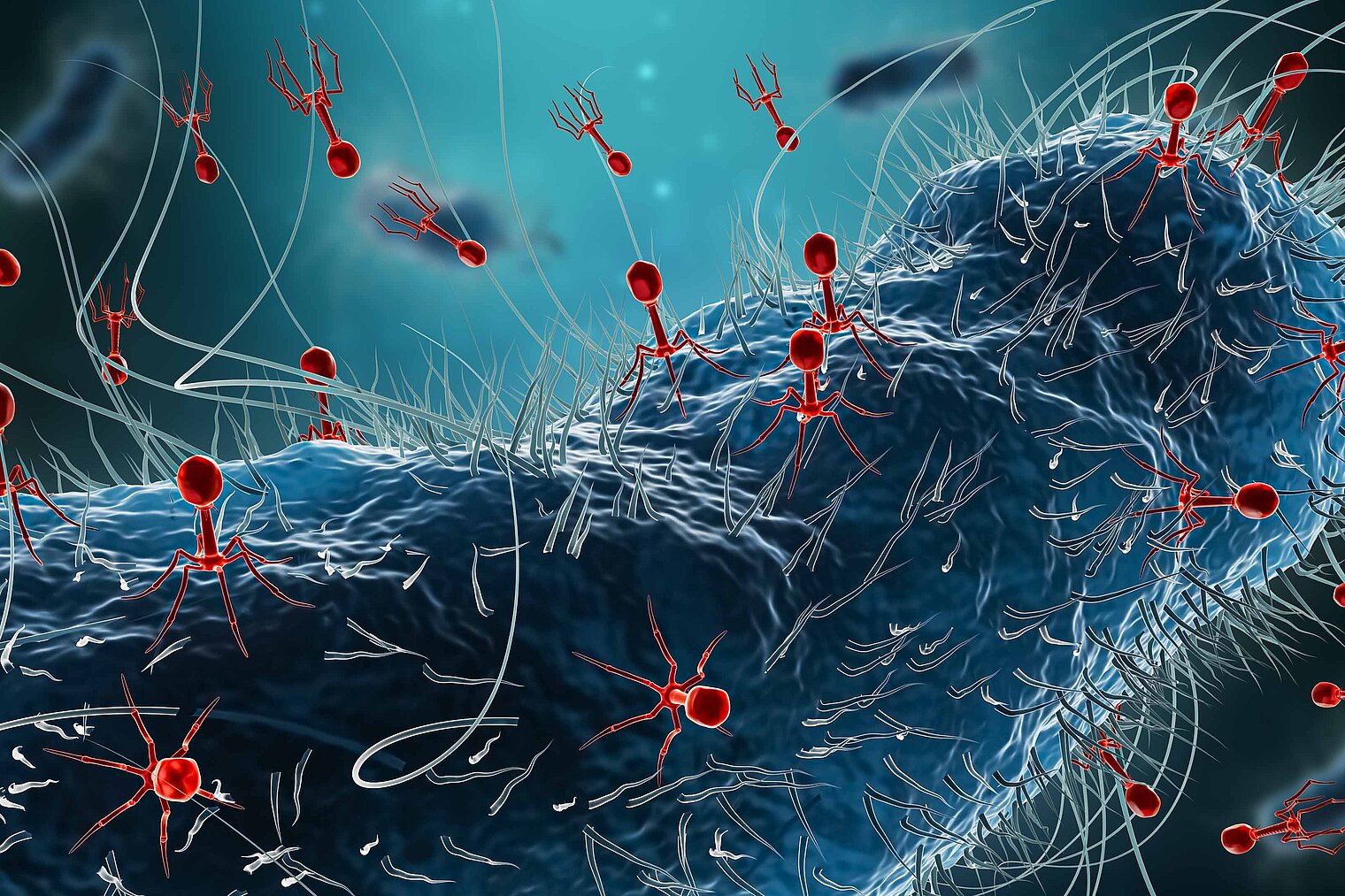
Not all viruses are dangerous to humans. Some exclusively target bacteria—and could therefore play a role in the fight against antibiotic-resistant pathogens. These viruses, known as bacteriophages, are the focus of research by Dr. Milan Gerovac, head of the junior research group “Complexes in Phage-infected Cells” at the HZI.
Gerovac investigates how phages manage to hijack bacteria for their own purposes: They take control of key processes within the bacterial cell and use its “production machinery” to replicate themselves. In doing so, he has discovered previously unknown mechanisms by which these viruses specifically interfere with the protein production of their host bacteria. Furthermore, he has developed a novel, programmable method that allows for the systematic deciphering of the functions of phage genes—genes that were previously poorly understood. His work opens a window into a largely unexplored realm of viral biology and could, in the long term, lead to new strategies for combating bacterial infections.
In addition to Milan Gerovac, Dr. Lutz Gieselmann (University Hospital of Cologne) and Dr. Richa Mishra (University of Heidelberg) received the postdoctoral awards in the fields of immunology and hygiene and microbiology, respectively.
Robert Koch Foundation award ceremony on November 13, 2026
The three Postdoctoral Prize winners were honored on Friday, November 13, 2026, at the Robert Koch Institute in Berlin. During the event, the Robert Koch Foundation also honored other distinguished scientists: The 2026 Robert Koch Prize was presented to Prof. Andrew G. Myers of Harvard University for his pioneering work on the development of new antibiotics to combat resistant bacteria. The Robert Koch Medal in Gold was awarded to Prof. Sir Marc Feldmann, whose research laid the foundation for modern antibody therapies for rheumatoid arthritis and other chronic inflammatory diseases.