WWF Germany coordinates the project in partnership with WWF offices in the CAR and Cameroon, the Food and Agriculture Organization of the United Nations (FAO), and various local and international partners.
© HIOH
Story
HIOH launches the INFORBIO research project on forest management and zoonoses surveillance
© HIOH
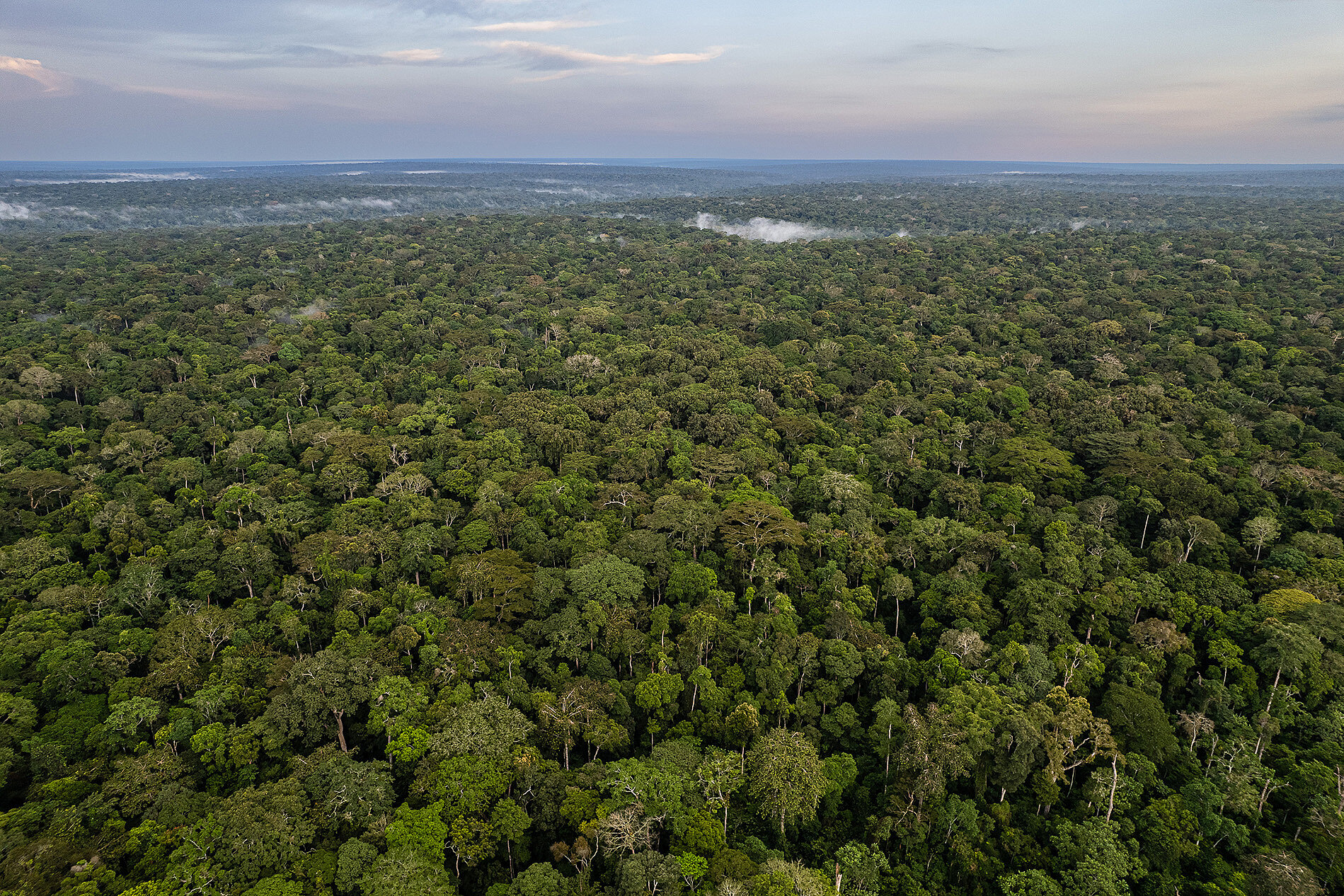
Following the launch of INFORBIO in October 2024, HIOH has now officially begun its fieldwork under the project with a first six-week field mission in the CAR. Within the project’s broad scope, HIOH is responsible for establishing an early warning system for zoonoses in three target landscapes: the Dzanga-Sangha Protected Areas (CAR), Campo Ma’an National Park (Cameroon) and Lobéké National Park (Cameroon). This ambitious goal will be achieved by regularly collecting multiple sample types – from wild animals, bushmeat, and the environment – which will be analyzed in local laboratories over the next five years.
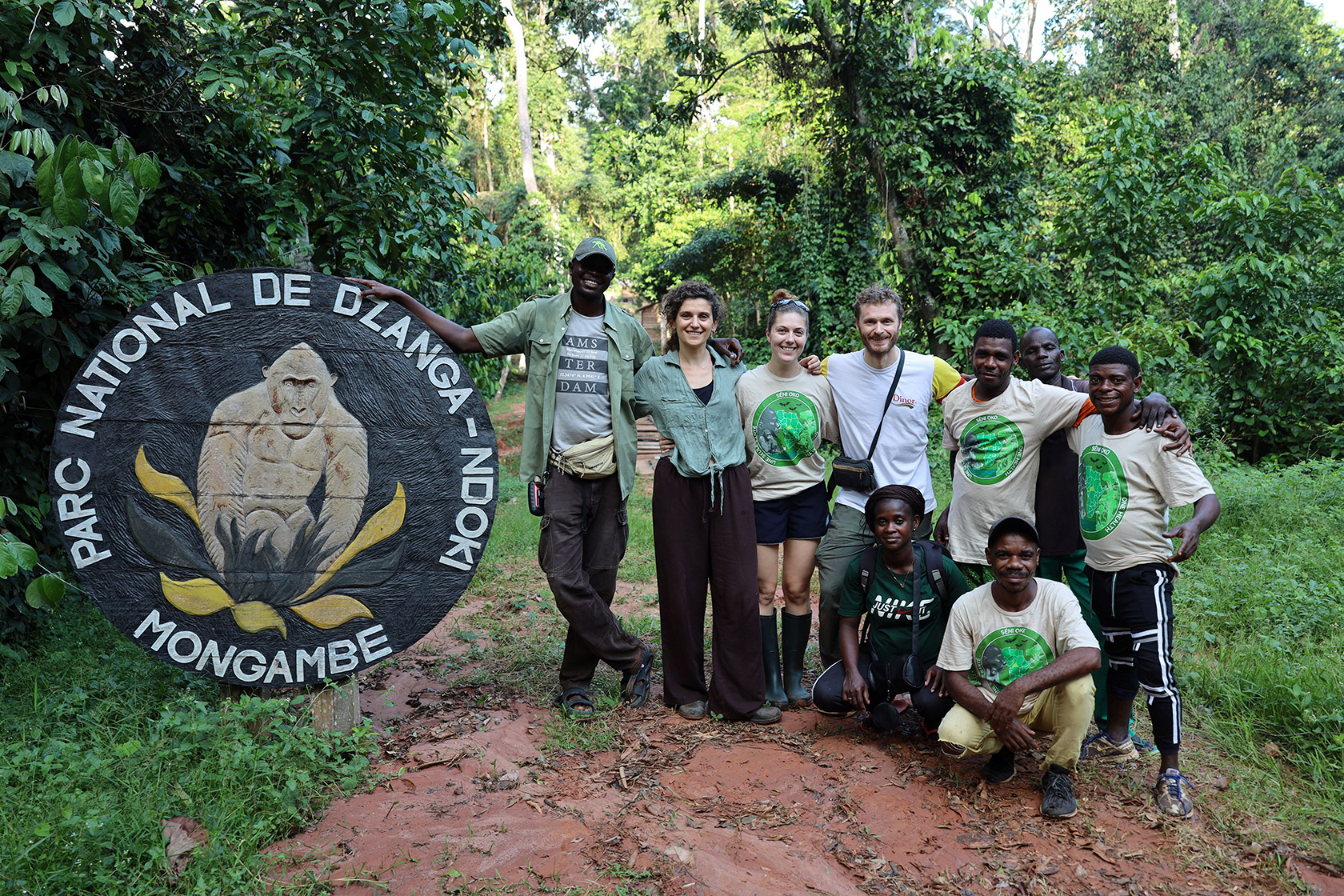
During the first field mission in October 2025, a research team from HIOH’s “Ecology and Emergence of Zoonotic Diseases” research group, together with their Central African colleagues from the WWF CAR One Health Unit, laid the groundwork for regular pathogen monitoring. This effort complements wildlife mortality surveillance and great ape health monitoring that have been ongoing for more than a decade in the Dzanga-Sangha Protected Areas (DSPA).
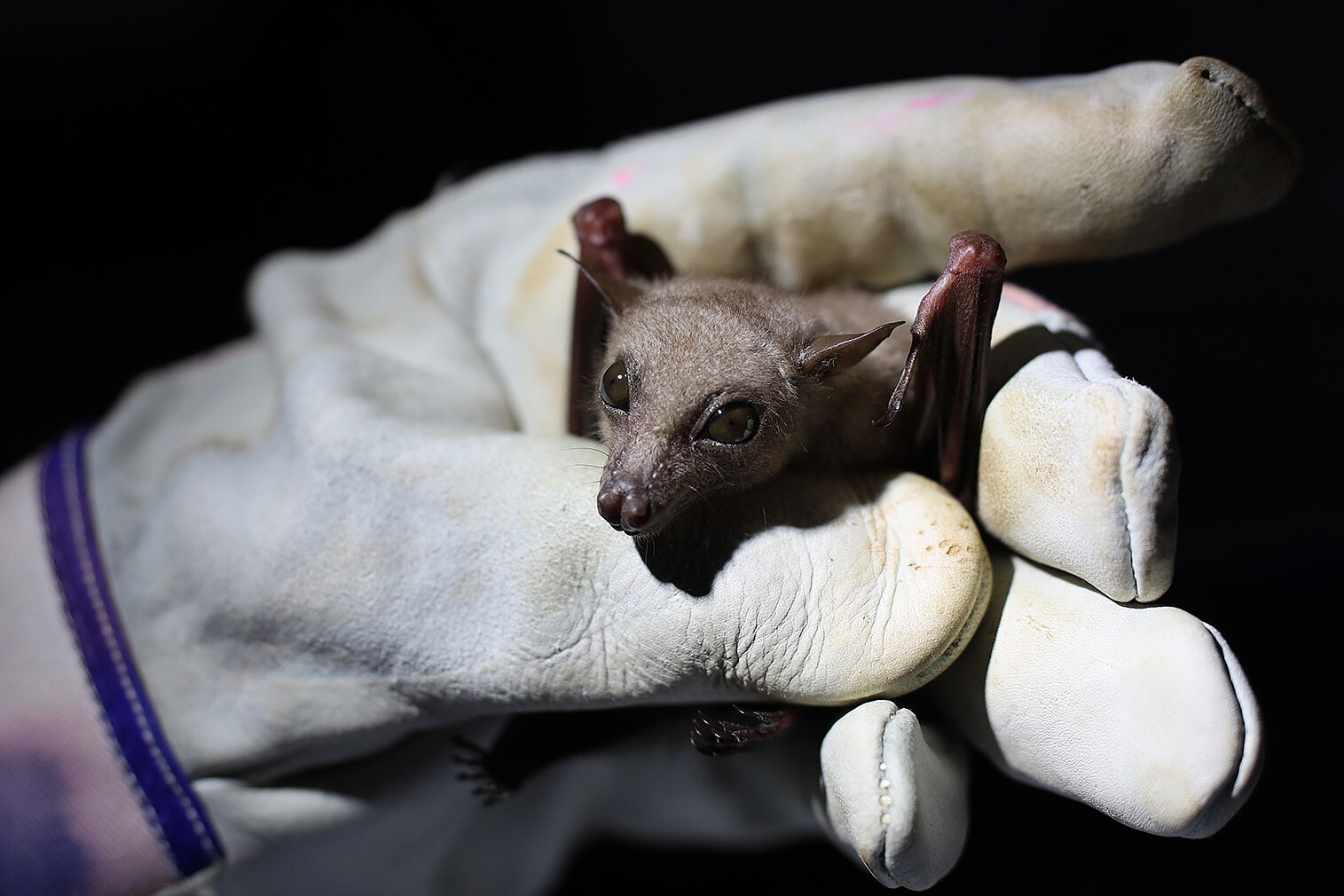
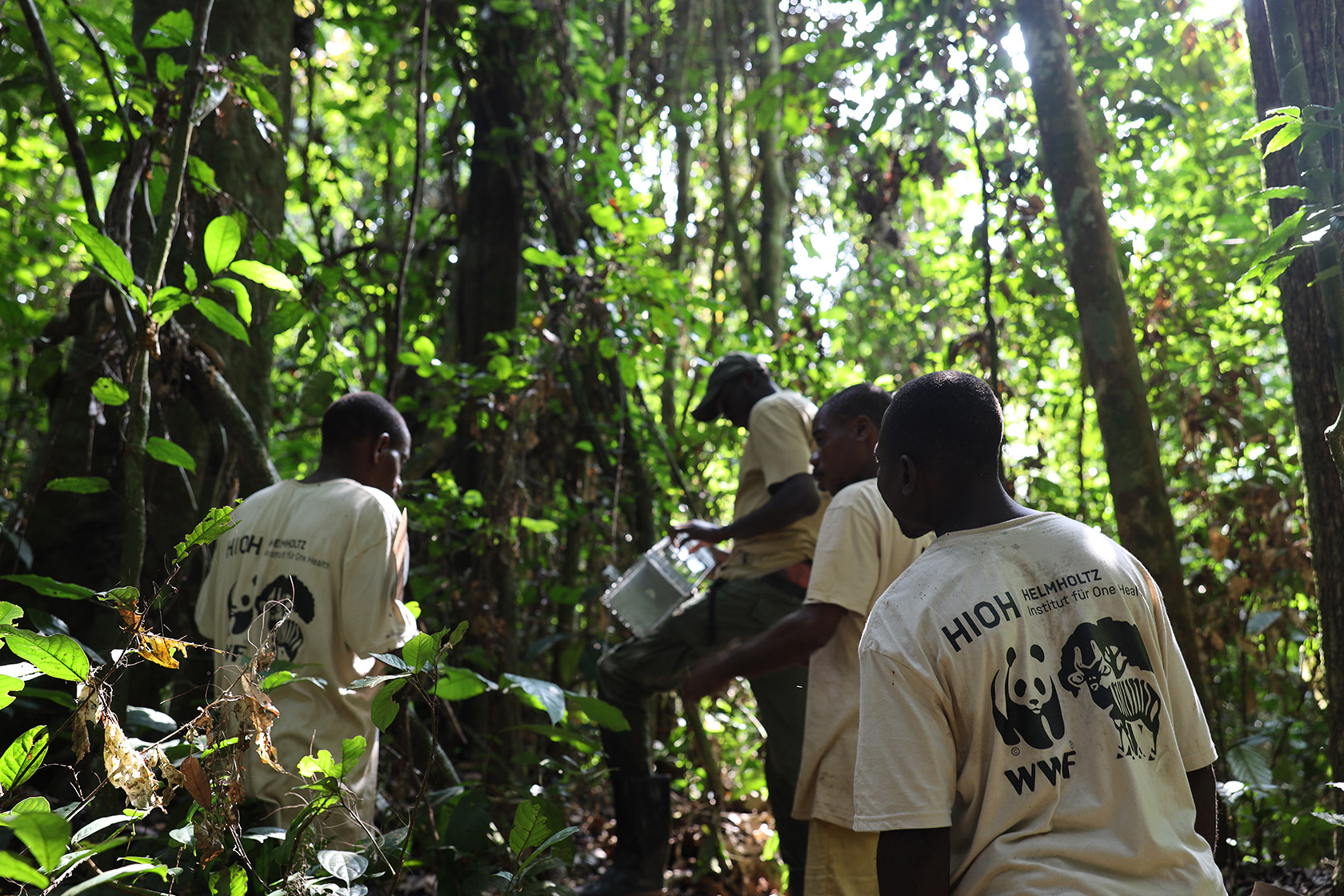
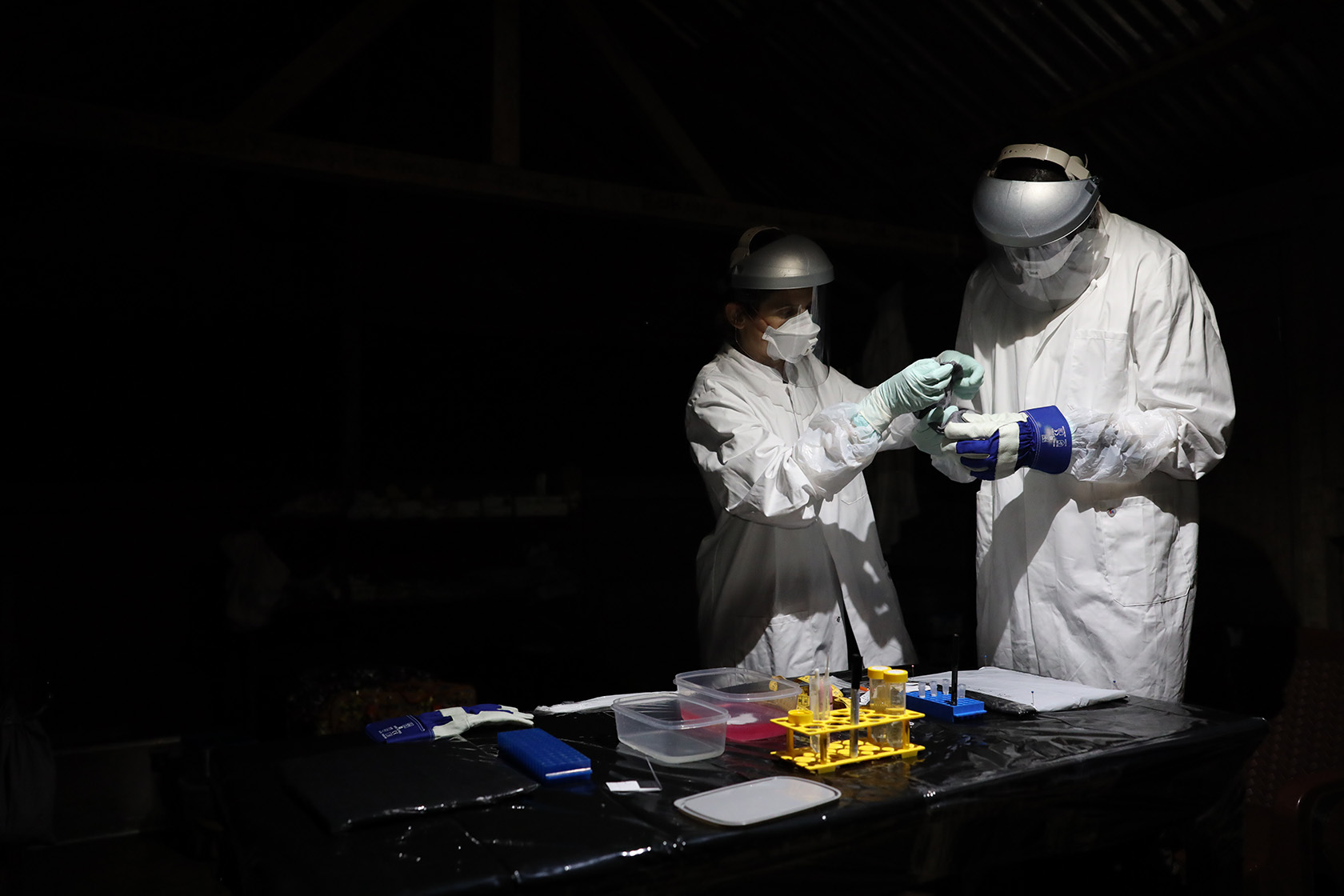
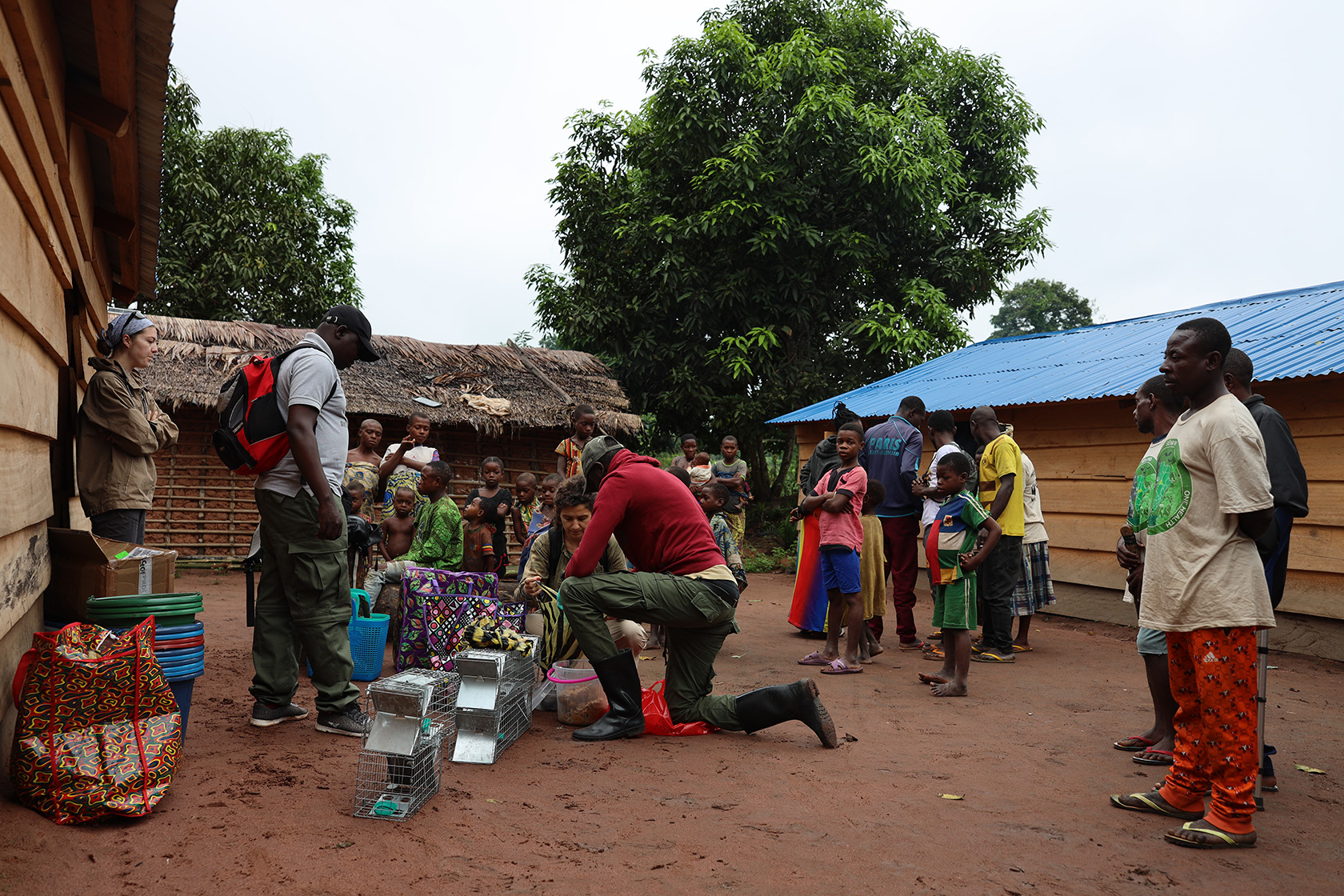
At the outset of the mission, the team met with representatives of several local communities – both indigenous and non-indigenous – to present the project and jointly identify suitable sites for small mammal sampling, ranging from dense rainforest to village peripheries and residential areas. Using live traps set at these locations, the researchers captured more than 200 rodents and bats – including mice, giant pouched rats, and other rodent species relevant to disease transmission, as well as various bat species – and collected minimally invasive samples, such as swabs and small blood droplets. In addition, blowflies were collected at all sites as a complementary tool for pathogen detection.
© HIOH
© HIOH
Regular testing of small mammals, combined with monitoring of local wildlife mortality (carcass monitoring), gorilla health monitoring, and testing of bushmeat hunted and sold locally, will form the backbone of a comprehensive surveillance system for zoonotic pathogens.
After six weeks in the field, the research teams can report encouraging results for this first INFORBIO mission: all communities consulted expressed strong interest and a willingness to actively participate in the years ahead. The sites selected for long-term surveillance were carefully chosen, taking into account local knowledge, topographical features, and safety considerations – particularly to minimize the risk of dangerous encounters with elephants. The diversity of small mammals captured, especially bats, was remarkably high during this pilot phase. At the same time, the HIOH team trained their local scientific partners from WWF in safe animal trapping and sampling methods, enabling them to work independently in the future and expand surveillance activities to additional locations nearby.
© HIOH
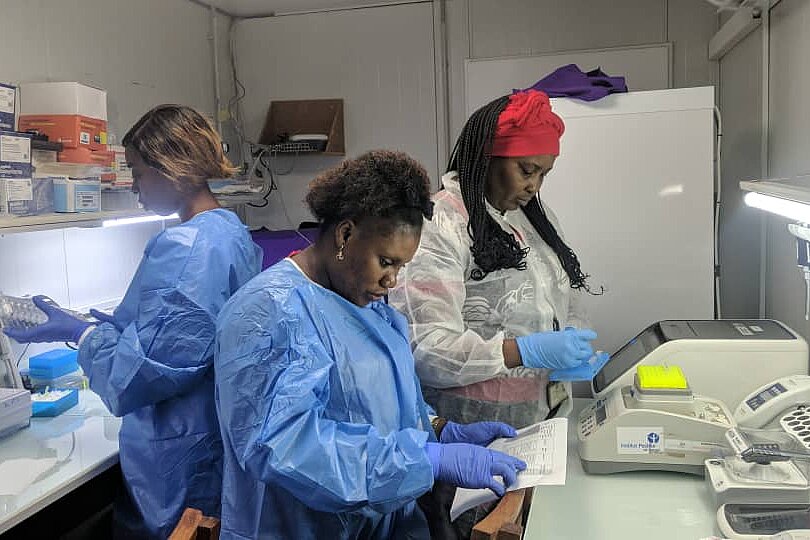
In the following months, the team will examine the collected samples for selected zoonotic pathogens, some of which are known to cause recurrent outbreaks in the local population, such as monkeypox virus, the causative agent of mpox. The fully equipped molecular laboratory in Bayanga (DSPA), jointly established by the WWF and HIOH and recently ceremonially inaugurated, will be ideal for these analyses. The results of this systematic sampling will help to identify areas at higher risk of pathogen transmission and improve our understanding of spillover dynamics. These insights are an important step towards the development of effective early countermeasures.
Project profile
Project name: INFORBIO – INtact and effectively managed FORests and BIOdiversity as natural barriers to mitigate climate change and risk of pathogen spillover
Research locations: Dzanga-Sangha Protected Areas (DSPA), Central African Republic; Lobéké National Park (LNP), Cameroon; Campo-Ma'an National Park (CMNP), Cameroon
Focus areas: Forest protection and restoration of degraded landscapes, strengthening local and indigenous communities, biodiversity monitoring, One Health approach & development of an early warning system for zoonoses, governance, sustainable use and protected area management
Consortium: WWF Germany (coordination), WWF Central African Republic, WWF Cameroon, University College London (UCL) with Project Bwanga, International Institute of Tropical Agriculture (IITA), Food and Agriculture Organization of the United Nations (FAO), local authorities, research institutions, and community representatives
Duration: 2024–2030 (6 years)
Funding: International Climate Initiative of the German Federal Ministry for the Environment, Climate Action, Nature Conservation and Nuclear Safety
HIOH lead scientists: Lorenzo Lagostina and Livia V. Patrono
Further information
- INFORBIO project homepage
- FAO web story on the INFORBIO project launch
- A shield for the world – video by WWF Germany
- ZUG project management agency
- News with additional photos on the HIOH website