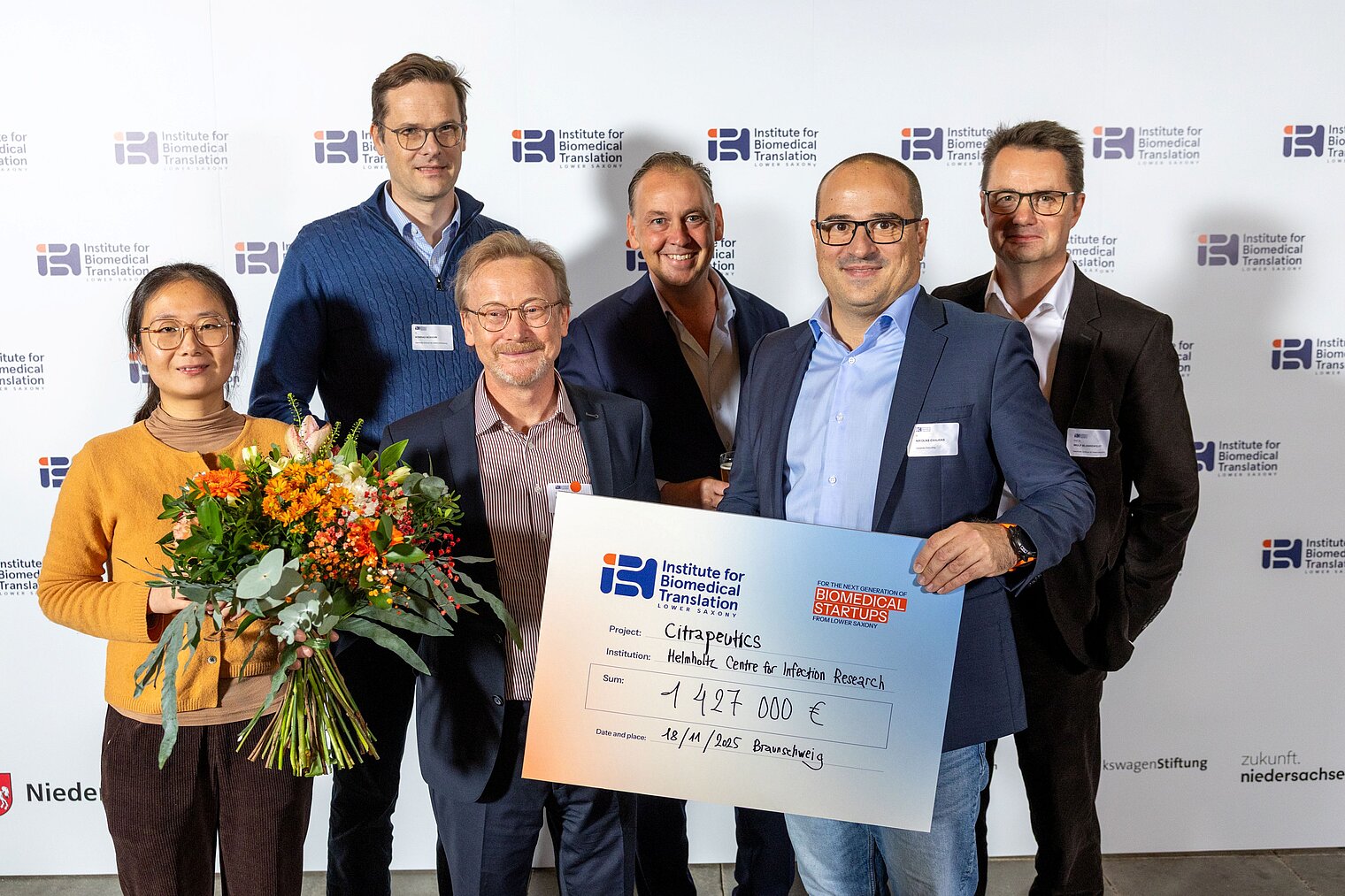
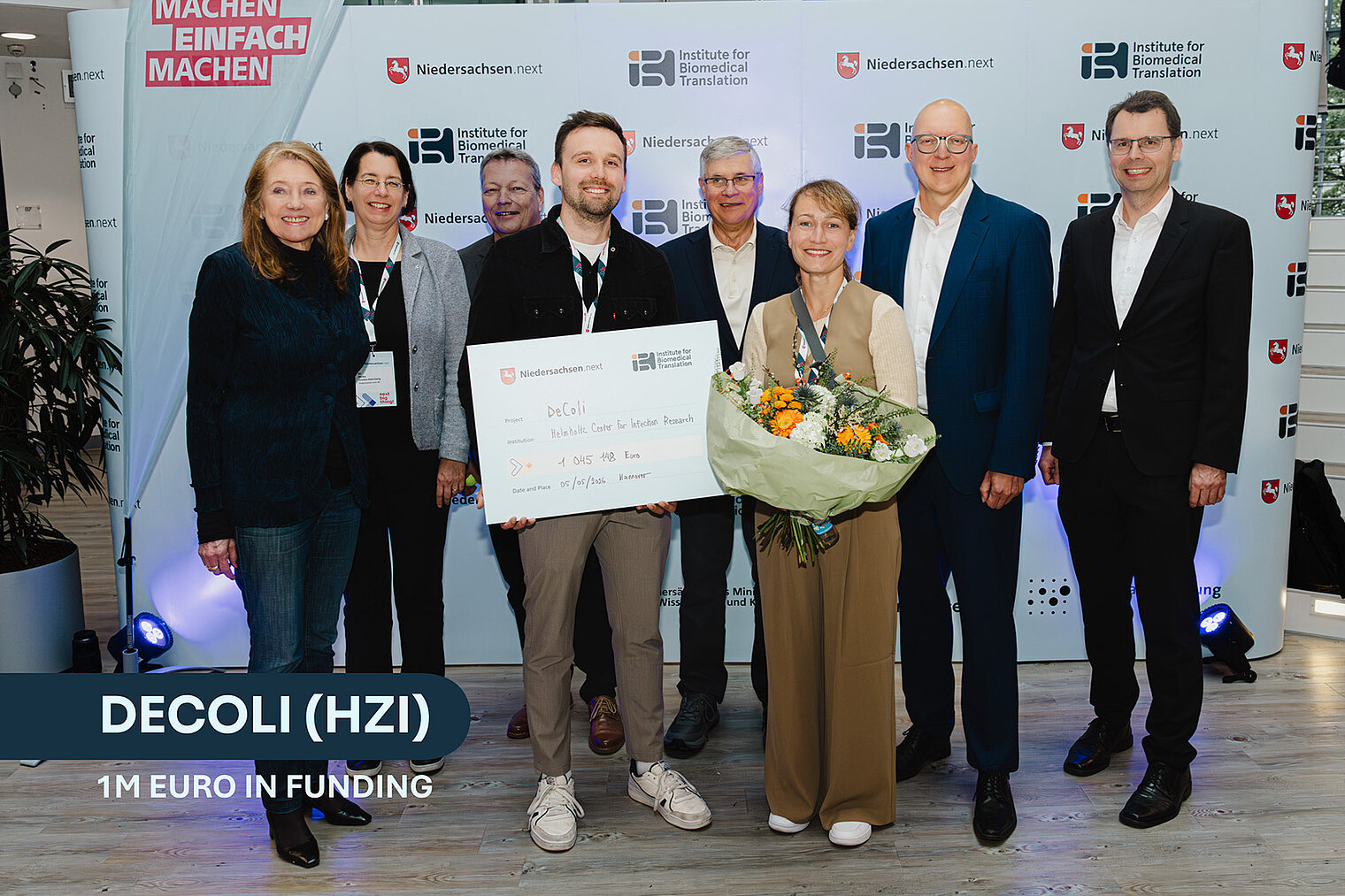
DeColi - Helmholtz Centre for Infection Research (HZI)
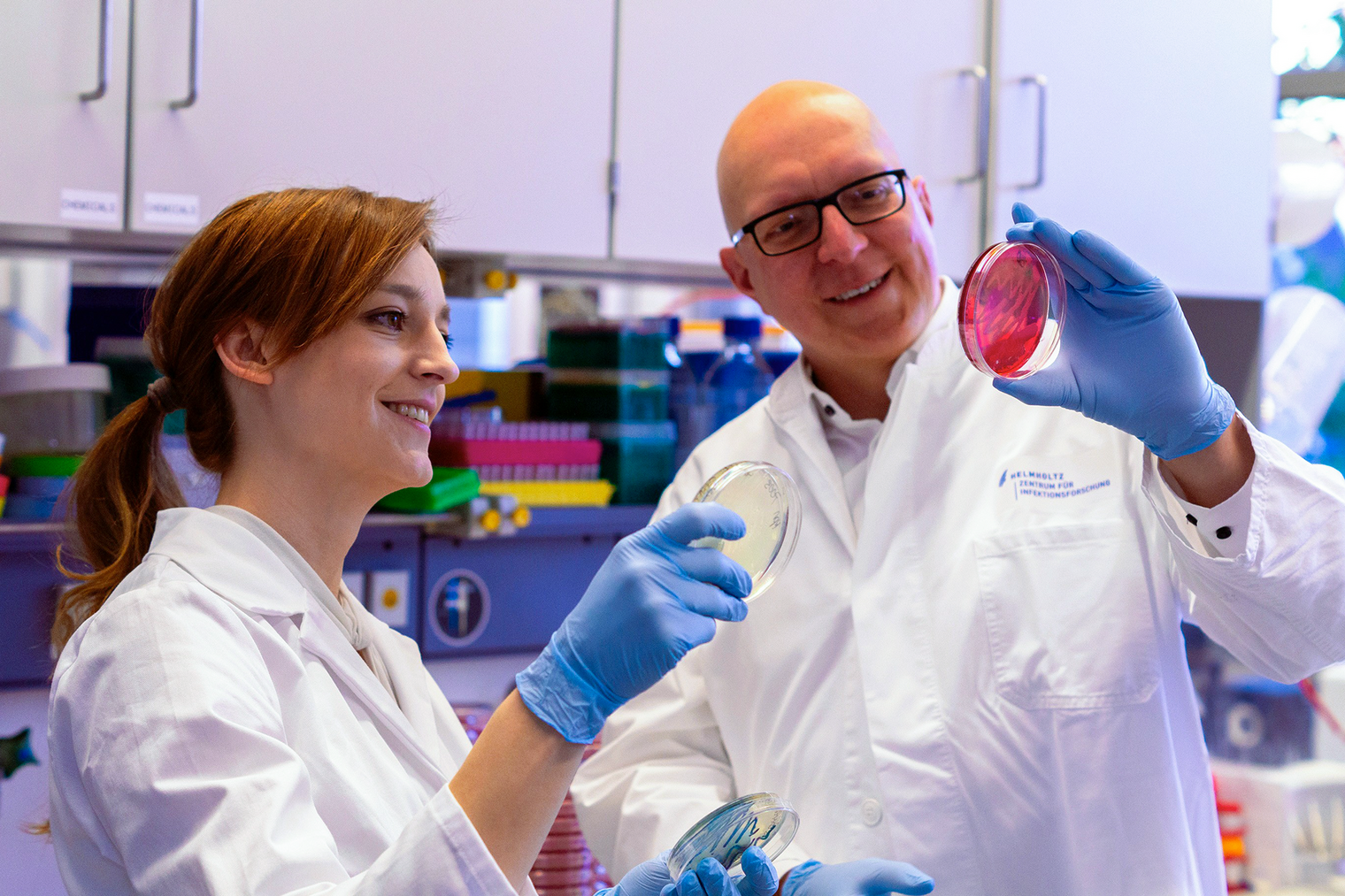
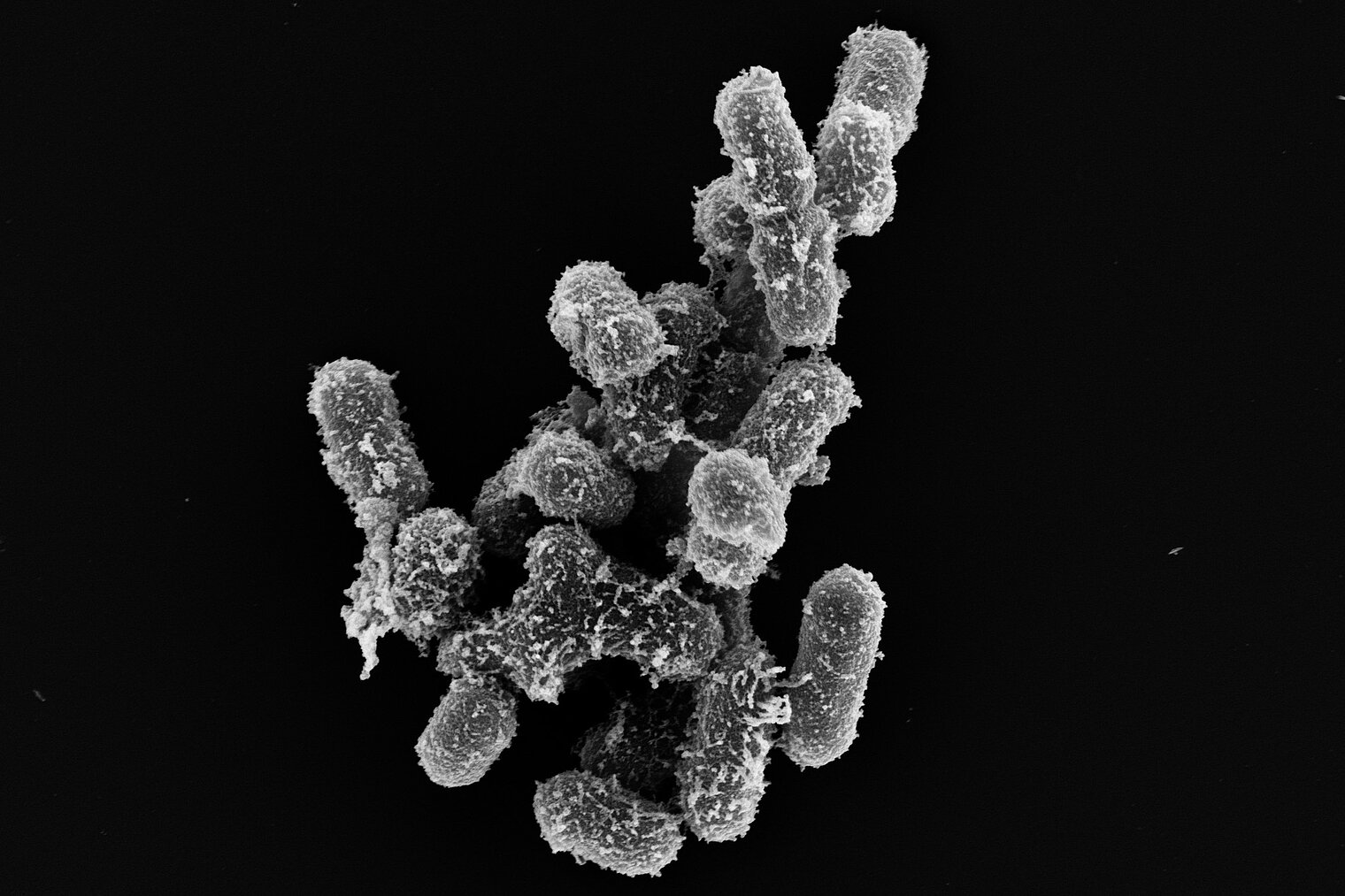
Hospital-acquired infections caused by multidrug-resistant Gram-negative bacteria pose a growing threat worldwide—often occurring precisely when patients are most vulnerable. The colonization of the gut by pathogens such as Escherichia coli often occurs long before the development of serious infections such as sepsis, pneumonia, wound infections, or recurrent urinary tract infections. DeColi addresses this problem at its source by developing a live biotherapeutic product that selectively removes these dangerous bacteria from the gut before an infection begins. The approach targets a large and high-risk patient population for whom there are no approved preventive options, and utilizes a purpose-designed bacterial consortium with clearly defined functions. This strategy, designed for reliable efficacy and scalable manufacturing, aims to prevent infections rather than react to them. DeColi offers a new, proactive approach to reducing antibiotic-resistant infections and improving treatment outcomes for patients.
DECYTE - Georg August University of Göttingen
Abdominal symptoms are common – and they don’t always tell the full story. Conditions can range from harmless issues to life threatening diseases like colorectal cancer, the abdominal cancer causing the most deaths worldwide. Yet today’s screening options fall short. Stool tests often miss early-stage cancer, and colonoscopy, while effective, is invasive and burdensome for patients. DECYTE is developing a highly sensitive blood-based test that uses AI to detect colorectal cancer at its earliest stages by decoding subtle immune system signals, long before symptoms appear. Their proof-of-principle shows: DECYTE matches colonoscopy's sensitivity – without the invasiveness – and outperforms existing blood-based screening methods in sensitivity and accuracy. By moving beyond invasive procedures and unreliable stool tests, this technology has the potential to transform cancer screening and, in the future, the detection of many immune-related diseases.
FLARE - Leibniz University Hannover (LUH)
What if surgeons could see infections almost as clearly as anatomical structures during an operation? FLARE is developing sNIR, a novel dye for near-infrared imaging that enables real-time visualization during surgical procedures. Compared to standard dyes currently in use, sNIR provides higher contrast and faster results—and can be used with existing clinical imaging systems. Originally developed to detect brain tumors, the technology is now being expanded to visualize bacterial infections in wounds or around implants and reliably distinguish them from harmless inflammation. By combining smart imaging probes with modern technologies such as surgical robots, this approach can make surgeries safer, reduce complications, and ultimately save lives by providing better information exactly when it is needed most.
PAERUBLOCK - Helmholtz Centre for Infection Research (HZI)
Severe hospital-acquired lung infections caused by Pseudomonas aeruginosa are among the most difficult conditions to treat and pose a growing global health threat. Instead of killing the bacteria directly, PAERUBLOCK takes a different approach: it targets a key enzyme that the pathogen uses to damage tissue, trigger inflammation, and evade the immune system. By rendering the bacteria harmless rather than attacking them directly, this antivirulence strategy enables the body’s own immune system—and available antibiotics—to combat infections more effectively. This approach helps reduce the selective pressure for antibiotic resistance and lowers the risk of side effects typically associated with conventional antibiotic therapy. Since the active ingredients have proven to be highly effective in several disease models—particularly when combined with standard antibiotics—and have favorable safety and efficacy profiles, the project is now advancing the preclinical and clinical development of these compounds, thereby laying the groundwork for a future spin-off focused on safer and more sustainable treatments for infections.
PathoPress - University Medical Center Göttingen and HAWK Göttingen
Accurate cancer diagnosis depends largely on knowing exactly how far the disease has spread. A key factor is the reliable detection of lymph node metastases, which has a significant impact on staging, treatment decisions, and treatment outcomes. In routine pathology, however, the identification of lymph nodes in surgically removed tissue remains a labor-intensive and operator-dependent process—particularly for cancers such as colorectal and ovarian cancer, where lymph nodes are embedded in large amounts of fatty tissue. PathoPress is introducing a novel device that mechanically compresses adipose tissue to significantly reduce its volume, while maintaining full compatibility with standard histopathology and immunohistochemistry. By enabling a comprehensive and standardized examination of the remaining tissue, this technology facilitates more reliable detection of all lymph nodes, reduces the workload for pathology staff, improves safety and workflow, and supports better treatment decisions. PathoPress has set out to transform a simple physical principle into a practical diagnostic tool that can improve cancer staging and ultimately benefit patients worldwide.
RESTORE-PDAC - University Medical Center Göttingen & Martin Luther University Halle-Wittenberg
Pancreatic ductal adenocarcinoma (PDAC) is one of the most aggressive and deadly forms of cancer. However, current immunotherapies often fail because the tumor remains largely invisible to the immune system. RESTORE-PDAC addresses this challenge by developing novel small-molecule modulators that help restore tumor recognizability. The approach focuses on restoring tumor antigenicity, thereby enabling immune cells to more effectively recognize and attack pancreatic cancer (PDAC, pancreatic ductal adenocarcinoma). In preclinical studies, the lead compounds improve antigen presentation, enhance T-cell activation, and potentiate novel immunotherapies such as CAR-T-cell responses. By reducing development risks and charting a clear path toward clinical implementation, the goal is to unlock the potential of combination immunotherapies for pancreatic cancer—and to offer new hope for a disease that urgently needs more promising treatments.
RETRACT - University Medical Center Göttingen (UMG)
In modern surgery, highly qualified professionals spend up to four hours a day performing manual retraction—holding organs in place to ensure access to the surgical site. This physically demanding, repetitive task contributes to fatigue and limits the effective use of specialized surgical skills. RETRACT is developing a novel robot-assisted system that takes over this burden. The technology functions as an intuitive, always-available “third hand” and supports surgeons during procedures. Unlike static instruments, the system is equipped with vibroacoustic and force-torque sensors that detect tissue tension and slippage in real time. By continuously adjusting the position and maintaining constant tissue tension, patient safety is expected to be significantly improved. RETRACT is a pioneer in single-surgeon surgery, combining patient safety with surgical efficiency.

![[Translate to English:] Charlotte Schwenner](/fileadmin/_processed_/6/9/csm_Charlotte_Schwenner_7952cfe0a7.webp "Dr Charlotte Schwenner")