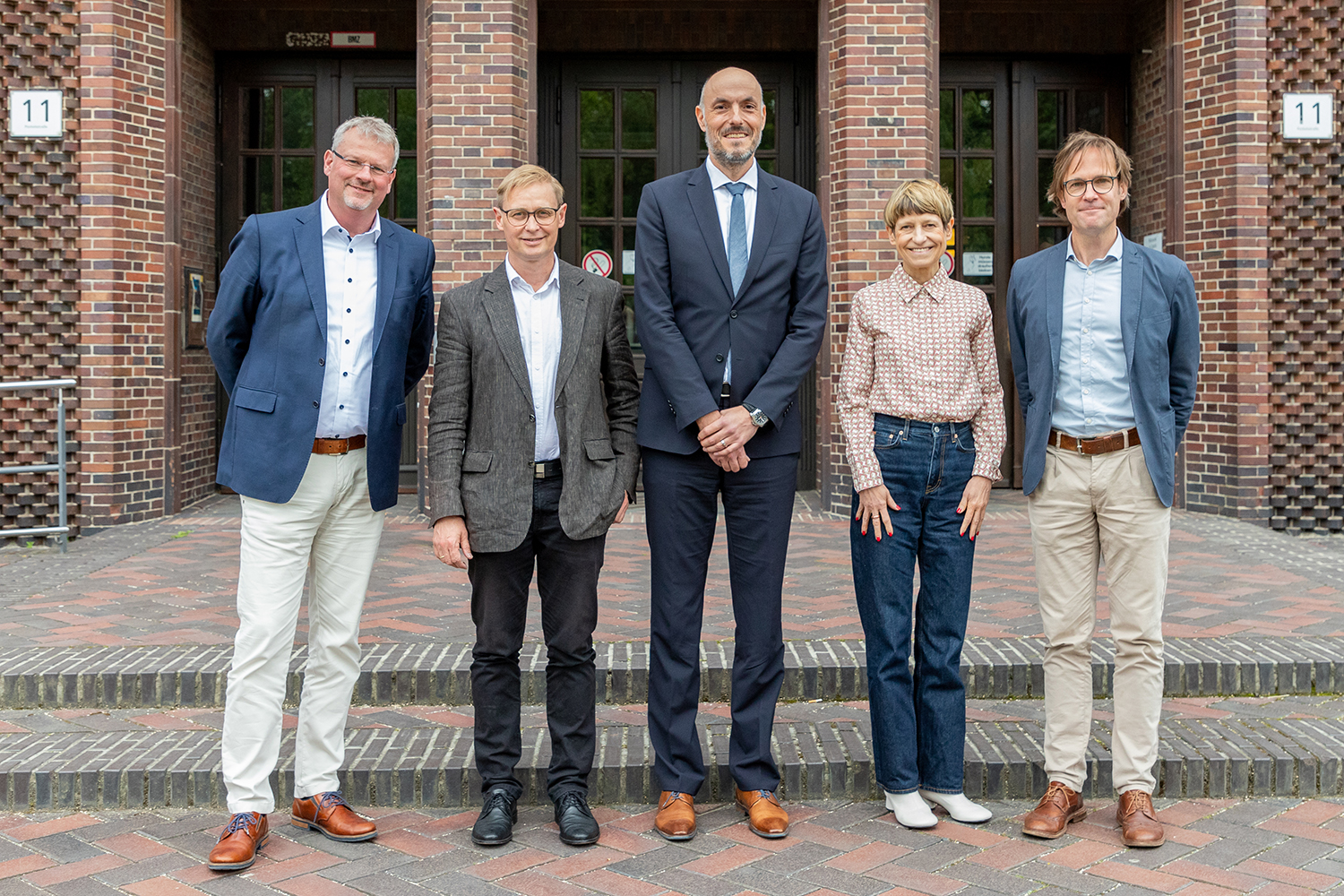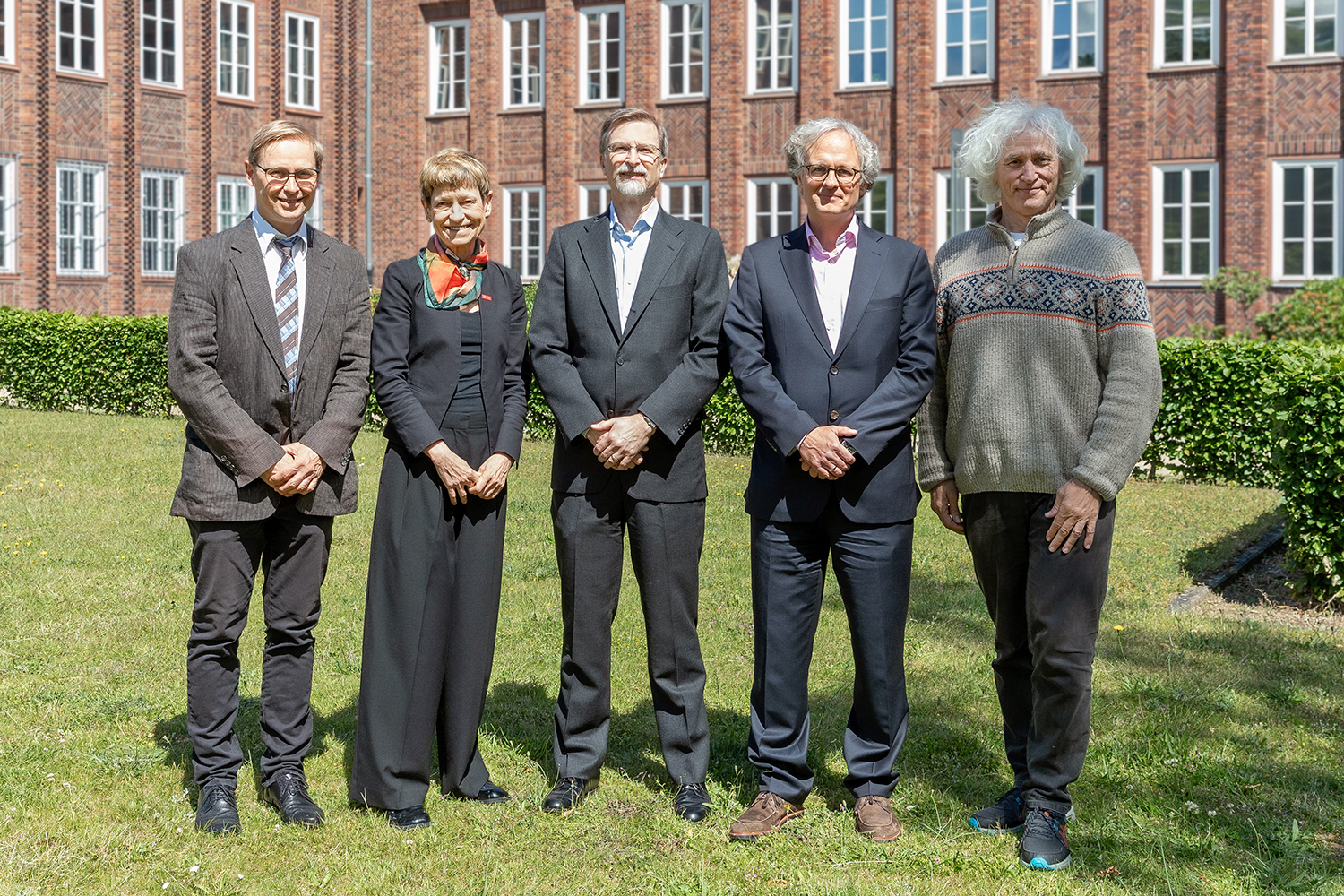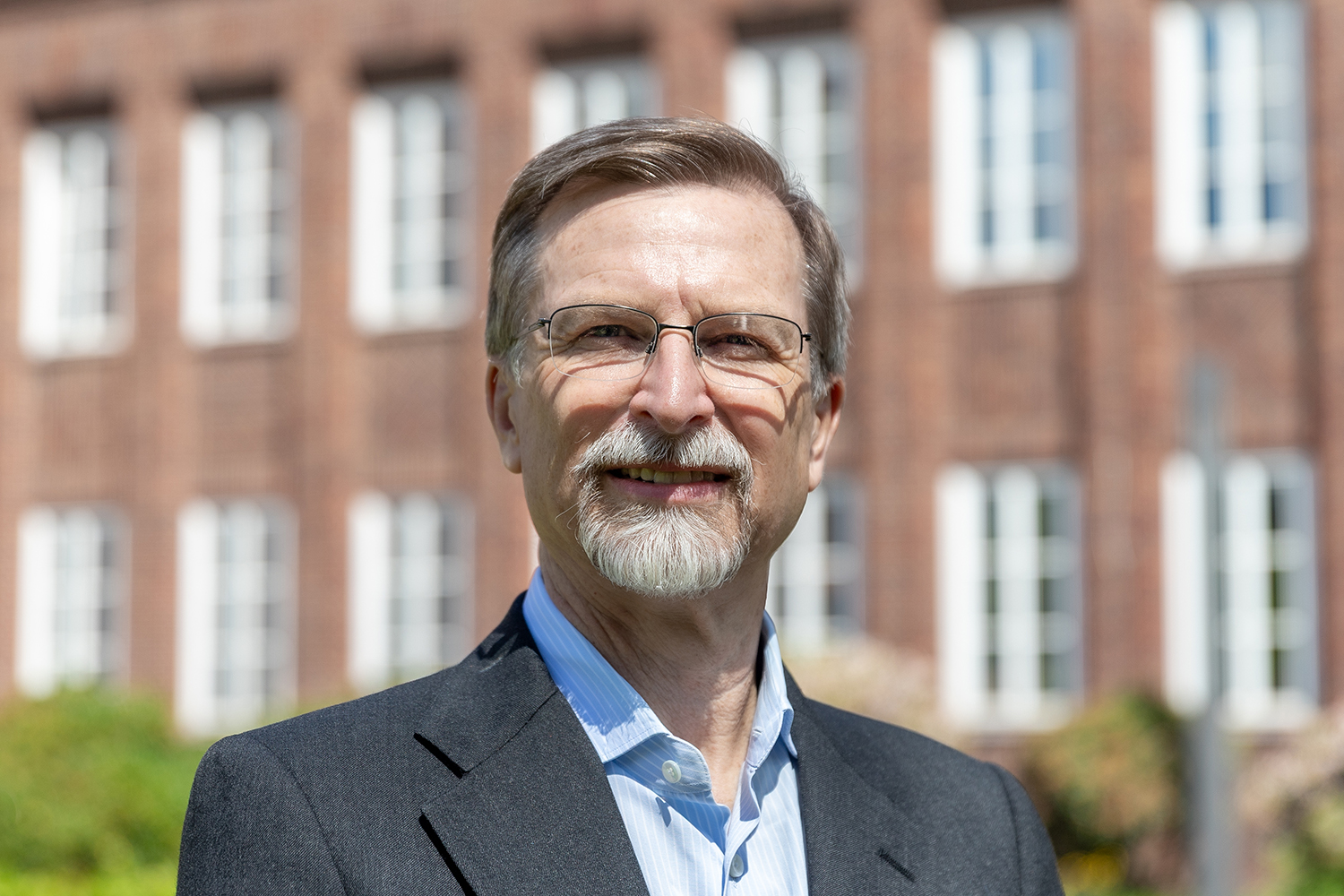
Craig Crews’ work has opened up new possibilities for the development of modern medications. It represents nothing less than a paradigm shift in drug discovery: previous attempts to inhibit disease-relevant proteins have focused on temporarily blocking their active binding site with a drug. However, Craig Crews demonstrated how to direct these proteins towards degradation within the cell, thereby permanently deactivating them. Rather than simply blocking the protein, it is specifically marked for degradation by the cell.
To ensure cells remain healthy, damaged or no-longer-needed proteins must be regularly removed. The body has its own “recycling system” for this purpose: the ubiquitin-proteasome system (UPS). In this process, unwanted proteins are first tagged with a marker and then broken down by the cell. Craig Crews’ research has created a molecular toolkit in the form of proteolysis-targeting chimeras (PROTACs) that harness this natural system to systematically remove disease-causing proteins.
“With his visionary work, Craig Crews has redefined the boundaries of traditional drug discovery. His approach of targeting disease-relevant proteins specifically for degradation has created a new area of research and opened up promising prospects for developing innovative therapies. By awarding him the Inhoffen Medal, we are honoring a researcher whose ideas influence science and medicine worldwide,” says TU President Angela Ittel.
Josef Penninger, the HZI’s Scientific Director, adds: “As a pioneer of PROTAC technology, Craig Crews is one of the most outstanding scientists and an imaginative driving force for innovation who has made substantial contributions to healthcare as well as to social and economic value creation. It is therefore a special honor for the recipients of the HZI PhD Awards to have the opportunity to meet such a leading figure during the Inhoffen Lecture.”
![[Translate to English:] Charlotte Schwenner](/fileadmin/_processed_/6/9/csm_Charlotte_Schwenner_7952cfe0a7.webp "Dr Charlotte Schwenner")