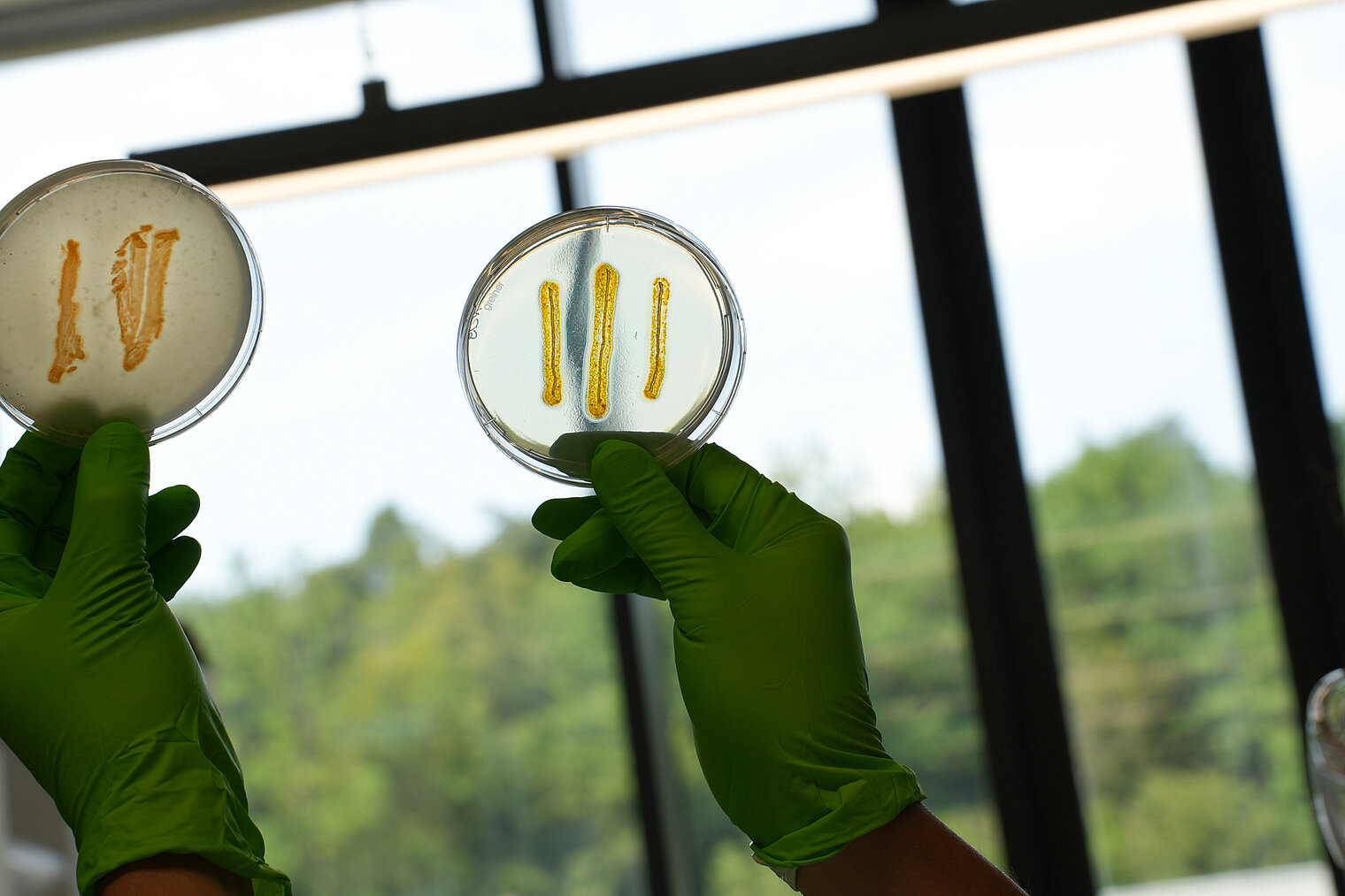
Most antibiotics used clinically are based on natural compounds produced by bacteria and other microorganisms. At the Helmholtz Institute for Pharmaceutical Research Saarland (HIPS), researchers are using soil-dwelling...
At first glance, mucus sounds more unpleasant than essential. In fact, it forms an important protective layer on our mucous membranes: It transports dirt, bacteria, and viruses out of the body and makes it difficult for...
Bacteria have spent decades evolving resistance to virtually every antibiotic we have thrown at them. To stay ahead, new drugs must hit targets that existing antibiotics have never touched. A research team at the...
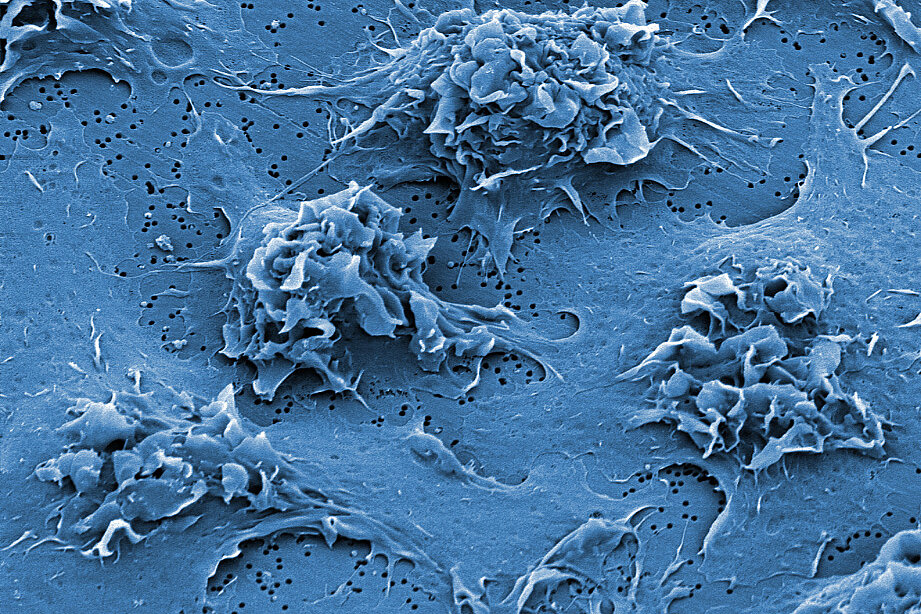
Macrophages are considered the “scavenger cells” of the immune system, but some pathogens exploit these very cells as hiding places. Researchers from the Helmholtz Institute for RNA-based Infection Research (HIRI) in...
Prof. Hortense Slevogt, research group leader at the Helmholtz Centre for Infection Research (HZI) and lead senior physician at Hannover Medical School (MHH), has been appointed to the Commission on Anti-Infectives,...
Premature babies in the intensive care unit are particularly at risk of becoming infected with potentially pathogenic bacteria. A team of doctors in Hanover has now investigated which external factors play a role in...
New broad-spectrum antiviral agents are considered an important contribution to pandemic preparedness. A project led by Alexander Titz, Professor of Organic and Pharmaceutical Chemistry at Saarland University (UdS), and...
The Falling Walls Foundation has nominated two projects from the Helmholtz Centre for Infection Research (HZI) for the “Science Breakthrough of the Year 2026.” The award recognizes groundbreaking scientific advances...
Organoids might sound a bit like science fiction. Yet they have firmly established themselves as a reality in research. Offering a wide range of possibilities, they enable scientists to study organ functions, diseases,...