Personalised Immunotherapy

Our Research: Methods & vaccines 2.0
Learning from nature, we strive to gain a comprehensive understanding of B cell diversification and function in humans. In addition to classical recombination events, we study a rare but sometimes particularly useful diversification process: the acquisition of large DNA inserts in the heavy chain genes that equip antibodies with extra domains. Our research is based on three main pillars:
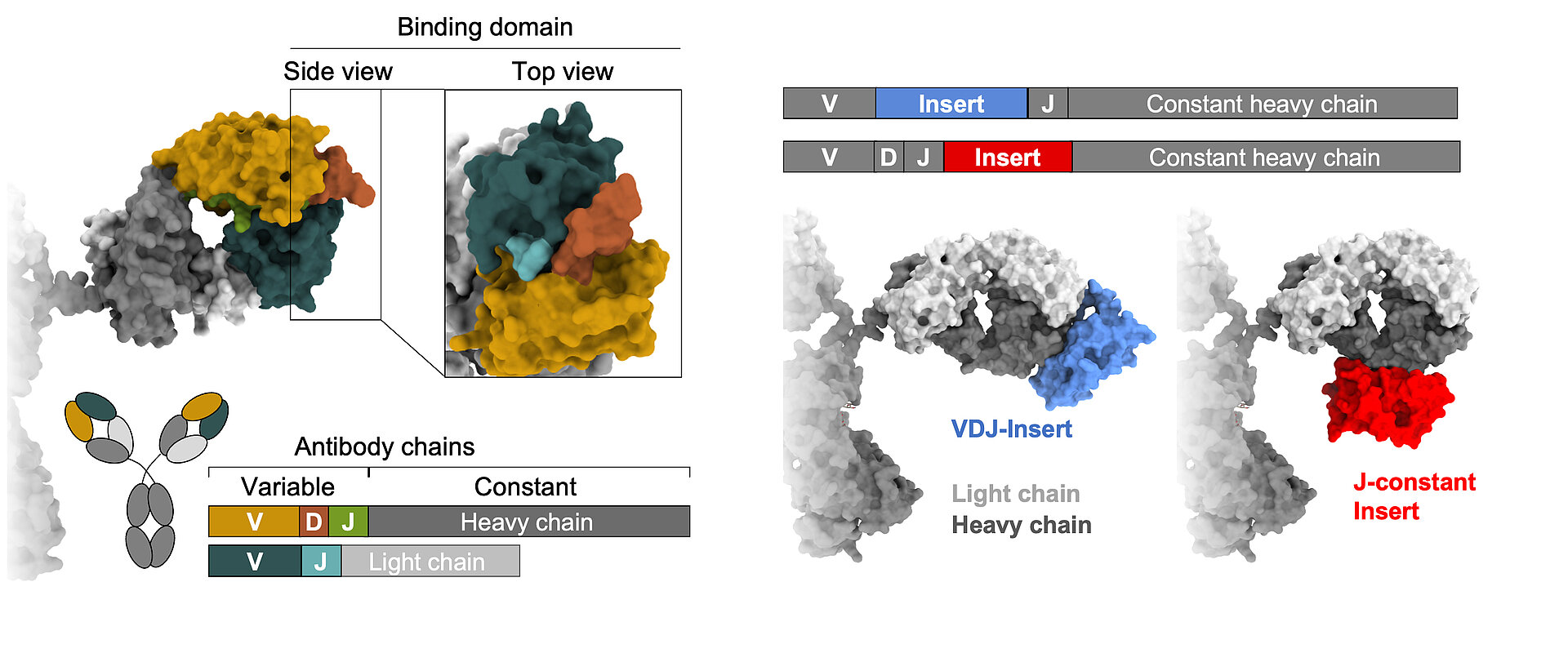
Our first research goal is to develop novel tools to study the repertoire of antibodies and the underlying recombination events. One of our methods holds promise for the personalized assessment of genomic scarring. Prospectively, a biomarker for DNA repair may be used for the prediction and prognosis of diseases related to DNA-repair malfunction, such as defects of the immune system.
Our second goal is to develop personalized cell-based vaccines. After identifying the blind spots in our B cell repertoire, B cells “by design” may extend the natural repertoire through artificial immunity to endow the body with antibodies of superior reactivity.
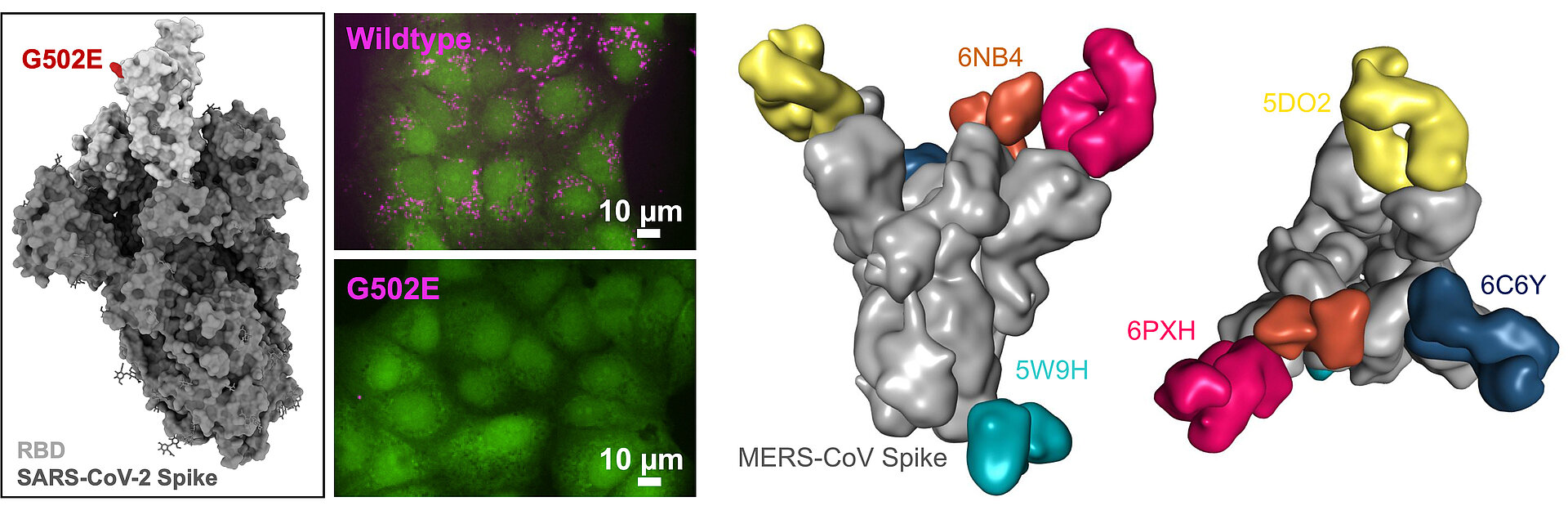
The third branch of our research arose during the SARS-CoV-2 pandemic. We aim to improve the safety and efficacy of vaccines by preventing their interaction with body-own structures via so-called Body-Inert, but B cell Activating vaccines (BIBAX). In the future, we aim to explore how interactions of vaccines with body receptors hamper immune responses to pathogens.
Our Research: Methods & vaccines 2.0
Learning from nature, we strive to gain a comprehensive understanding of B cell diversification and function in humans. In addition to classical recombination events, we study a rare but sometimes particularly useful diversification process: the acquisition of large DNA inserts in the heavy chain genes that equip antibodies with extra domains. Our research is based on three main pillars:
Our first research goal is to develop novel tools to study the repertoire of antibodies and the underlying recombination events. One of our methods holds promise for the personalized assessment of genomic scarring. Prospectively, a biomarker for DNA repair may be used for the prediction and prognosis of diseases related to DNA-repair malfunction, such as defects of the immune system.
Our second goal is to develop personalized cell-based vaccines. After identifying the blind spots in our B cell repertoire, B cells “by design” may extend the natural repertoire through artificial immunity to endow the body with antibodies of superior reactivity.
The third branch of our research arose during the SARS-CoV-2 pandemic. We aim to improve the safety and efficacy of vaccines by preventing their interaction with body-own structures via so-called Body-Inert, but B cell Activating vaccines (BIBAX). In the future, we aim to explore how interactions of vaccines with body receptors hamper immune responses to pathogens.
“Our mission is to understand the universe of the antibody repertoire. Our vision is to transform this knowledge into personalized solutions for infectious diseases.”
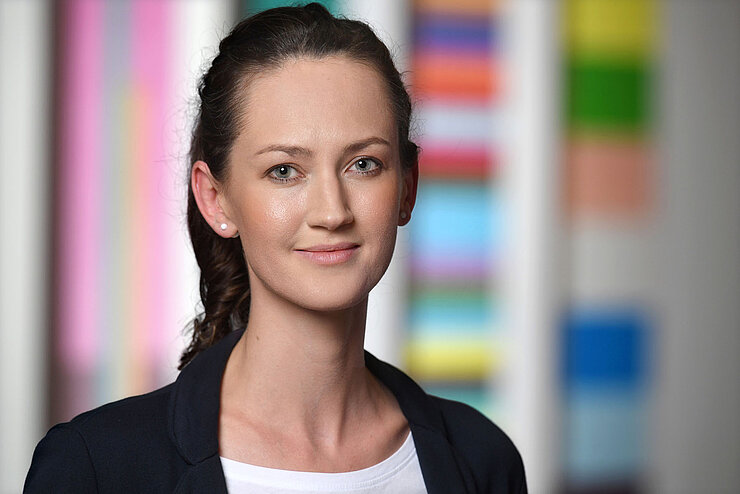
Kathrin de la Rosa (born Kathrin Pieper in 1984) became an immunologist after completing her doctoral studies in 2013 at the University Medical Center Freiburg on B cell disorders in immunodeficient patients. As a postdoctoral fellow, she decided to study monoclonal antibodies in infectious diseases. To this end, she joined the research group of Antonio Lanzavecchia at the Institute for Research in Biomedicine in Switzerland. In 2018, she started her own research group at the Max Delbrück Center in the Helmholtz Association (MDC) in Berlin after being awarding the Emmy Noether Fellowship of the German Research Foundation (Deutsche Forschungsgemeinschaft, DFG). In 2020, she was awarded the European Research Council (ERC) starting grant and was selected to obtain the Johanna Quandt Fellowship of the Stiftung Charité. She became a W2 Professor of “Immune mechanisms in translation” at the Berlin Institute of Health@Charité in 2021 and, since 2024, is a W3 Professor of Personalized Immunotherapy (W3) at the Hannover Medical School (MHH) in a joint appointment with the Helmholtz Centre for Infection Research (HZI). She is running her research group at the Centre for Individualised Infection Medicine (CiiM).


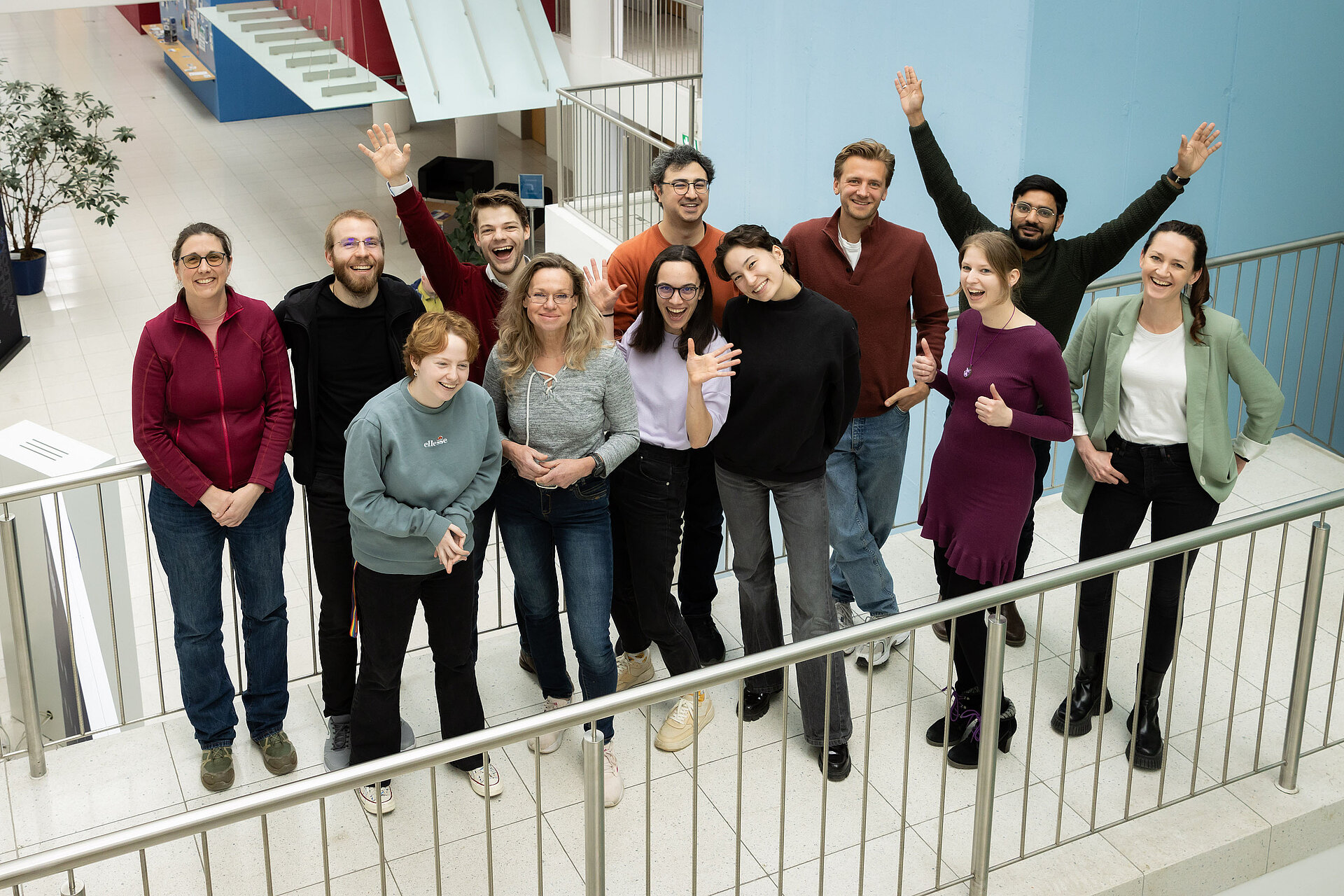
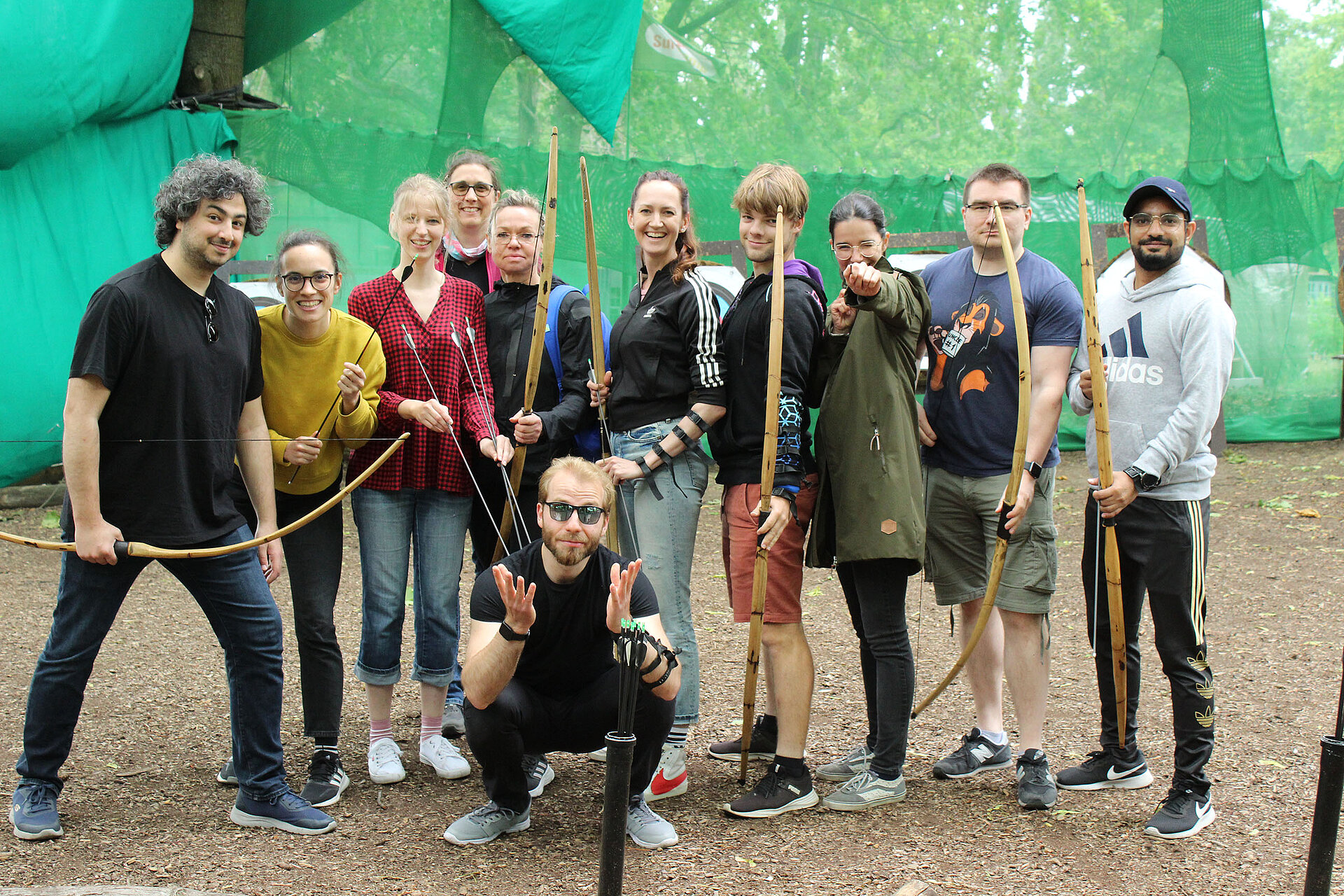
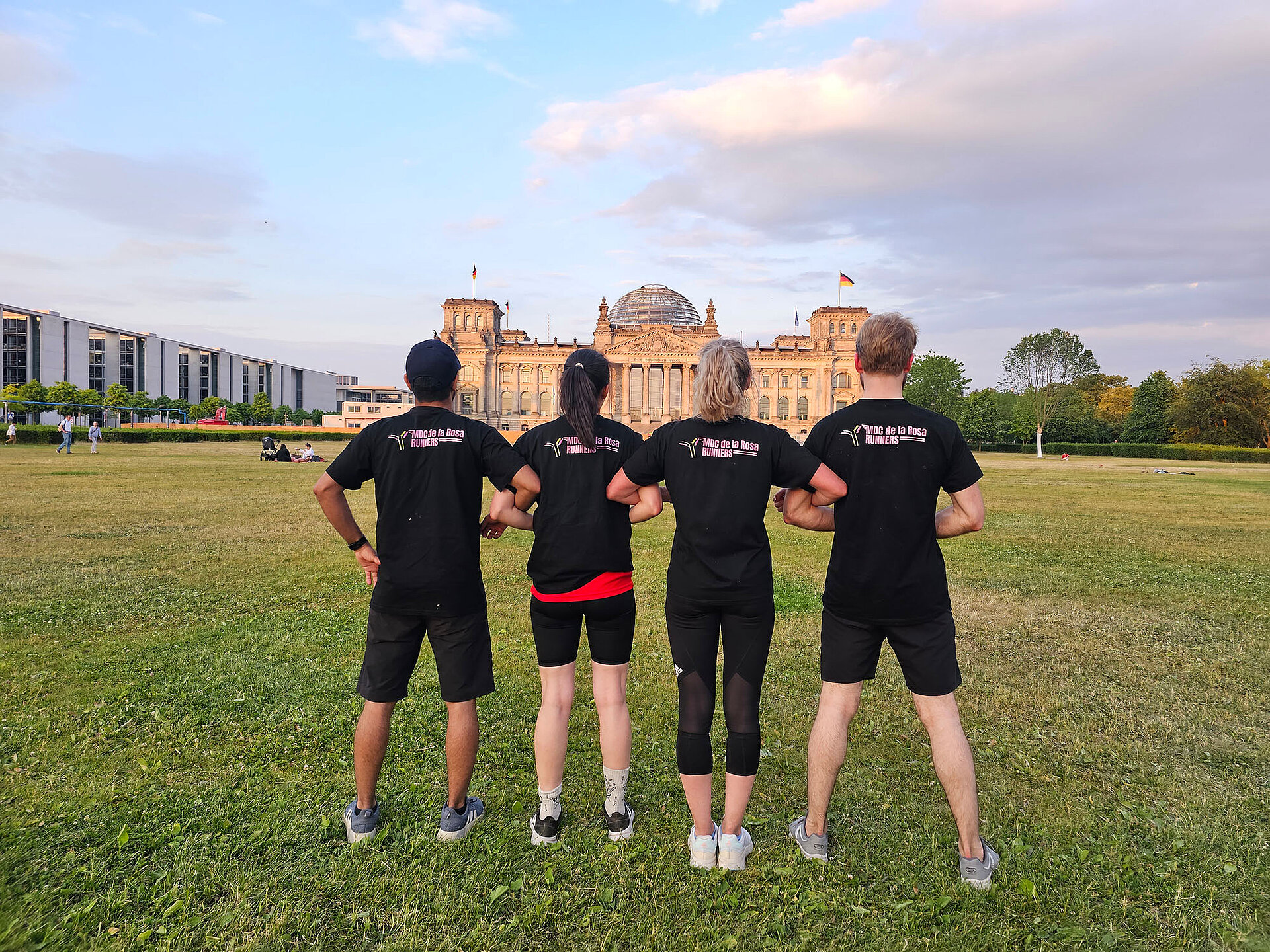

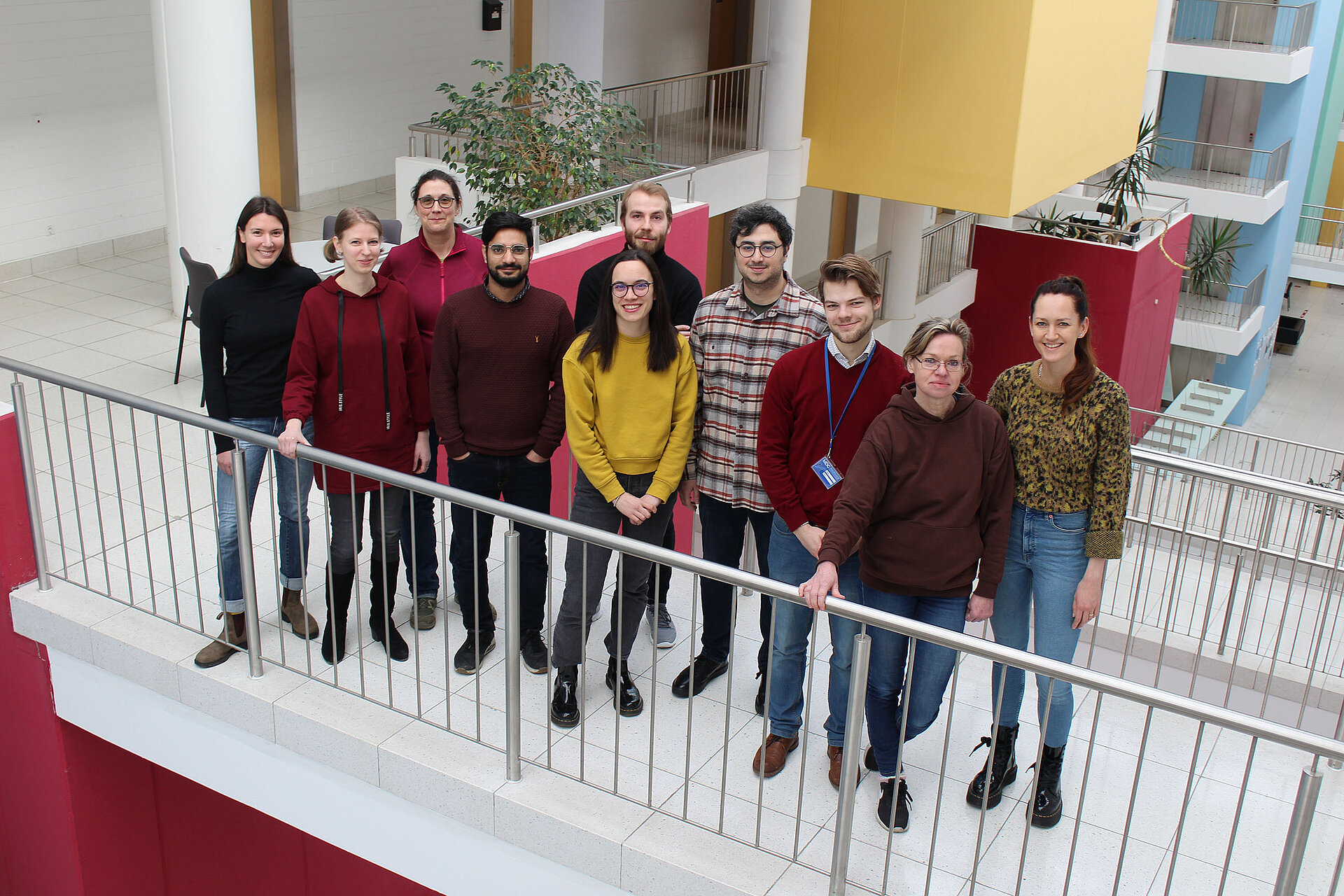
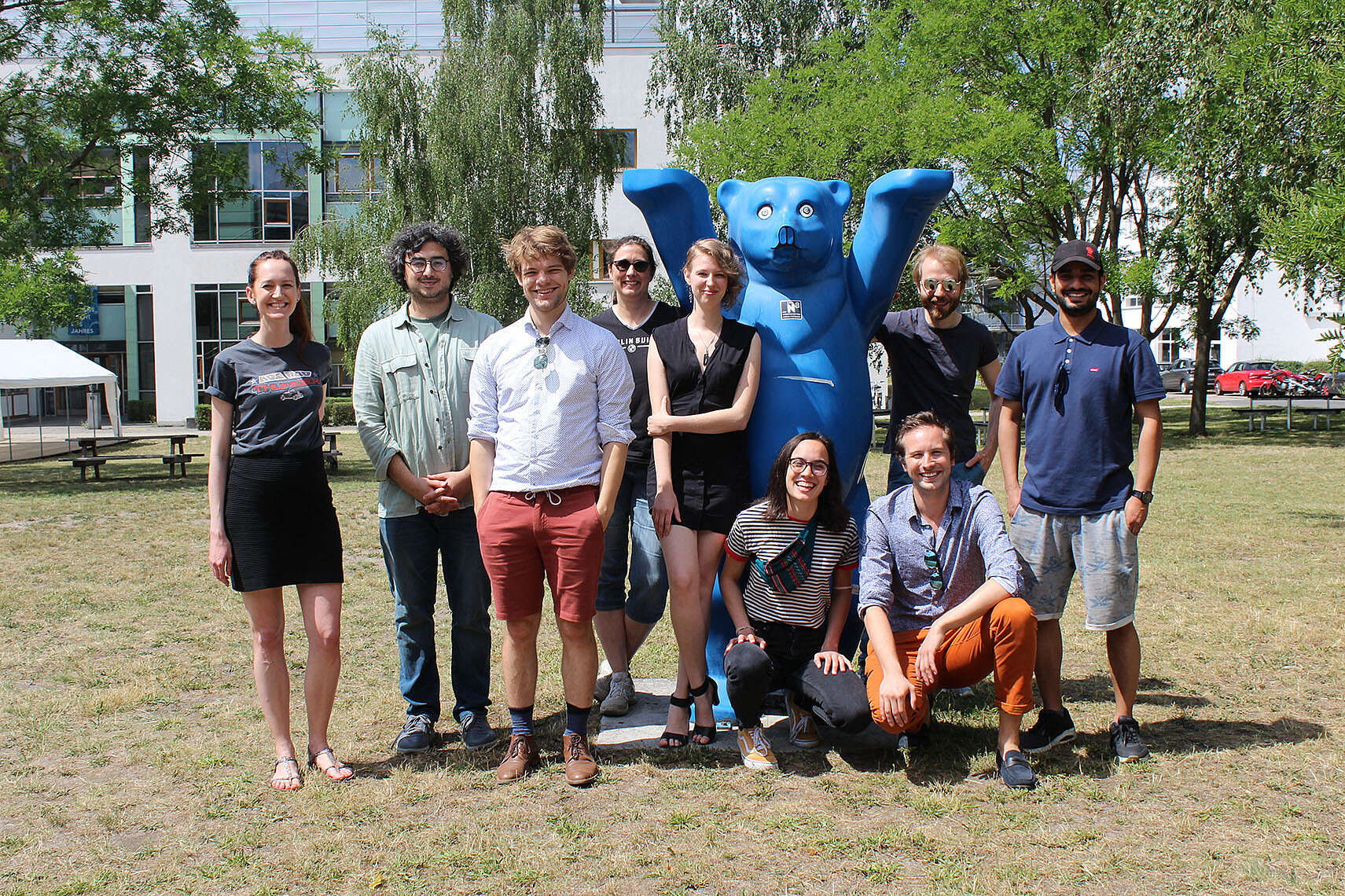
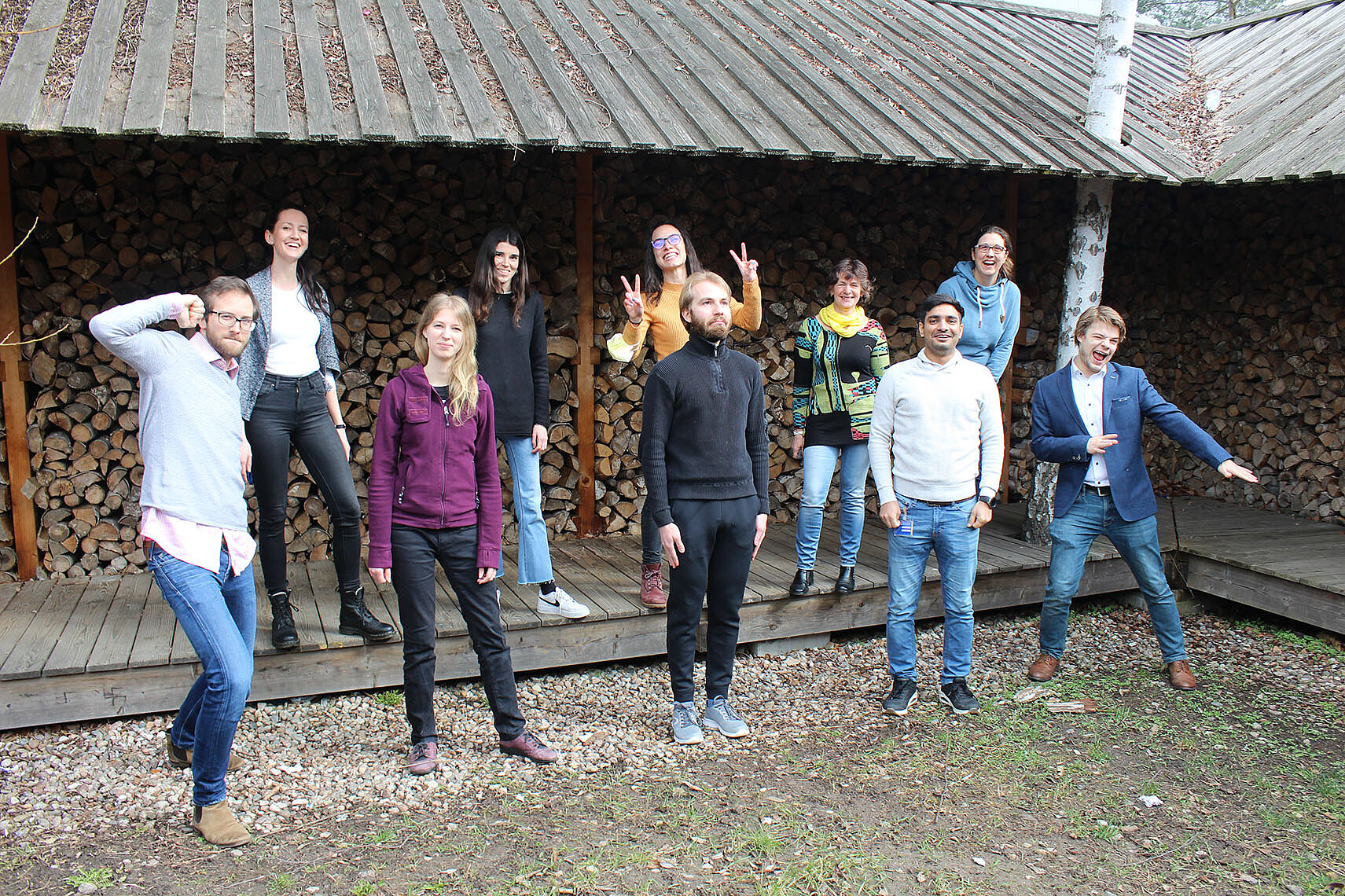
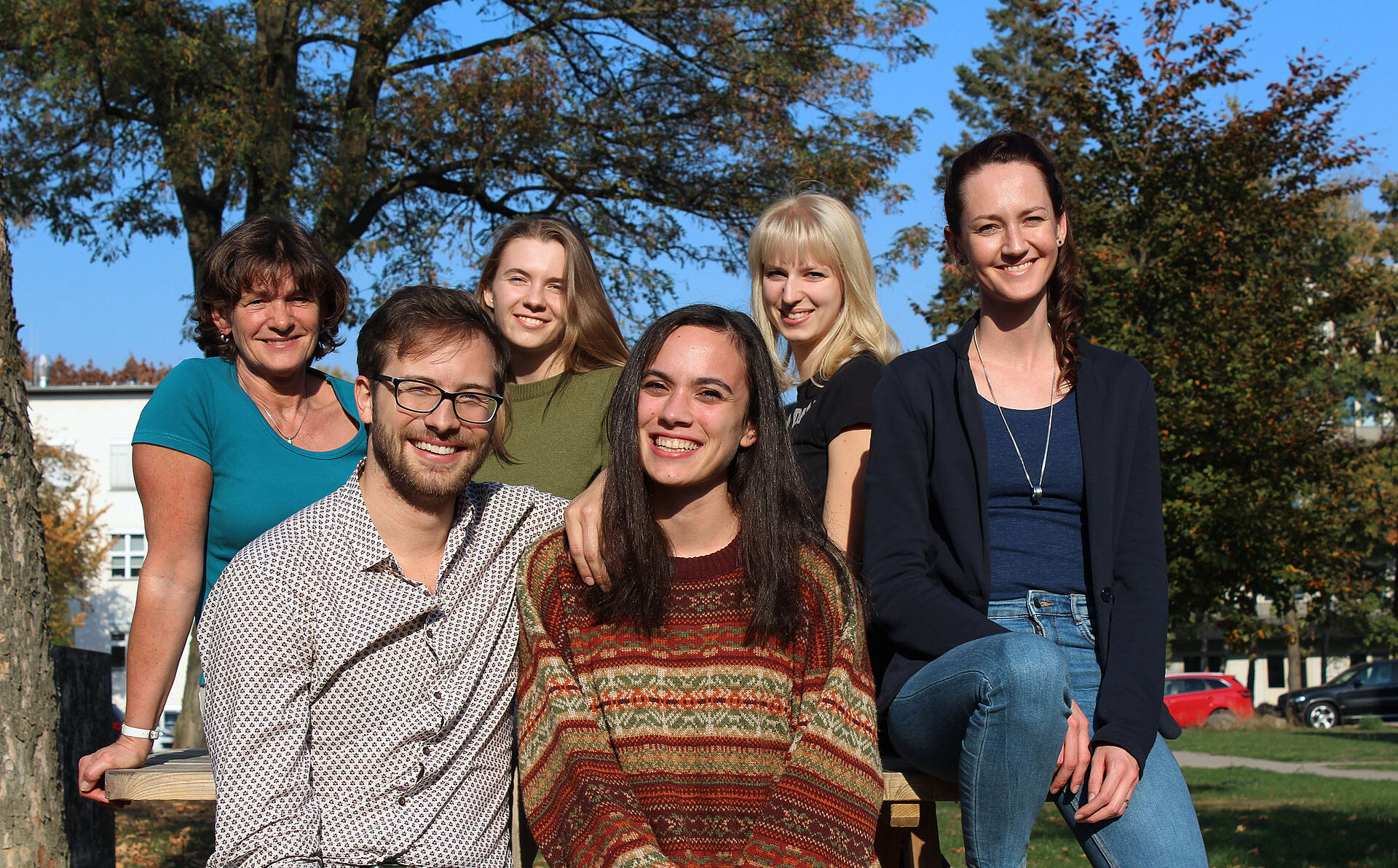
Team





Guests and former members
Postdoctoral researchers, doctoral students
- Christoph Ratswohl (Scopus):
PhD student
2018 – 2022
PhD thesis: “Towards novel active and passive vaccine design strategies that target the interaction with viral entry receptors”
Subsequent position: Postdoc, Immunological synapse formation of T cells and dendritic cells, Biotechnologie Institut Thurgau, Switzerland
Master's students, bachelor's students and Erasmus students
- Luise Veelken
- Miriam Herfort:
BSc Student
February 2023 – May 2023
- Dunja Vukcevic:
MSc Student
September 2022 – March 2023
Master thesis on “Profiling DNA Repair in the switch region to predict the efficiency of DNA-repair in individuals”
- Mateja Zvipelj:
Erasmus student
March 2023 – July 2023
Project title: Identification of splice enhancer sequences to support exon integration in engineered primary human B cells
- Špela Knez (Scopus):
Erasmus student
April 2019 – August 2019
Subsequent position: PhD student, biotechnology and immunology, University of Ljubljana, Slovenia
- Carlotta Caramel:
Erasmus student
March 2021 – September 2021
Subsequent position: PhD student, department of pediatric oncology and hematology, Charité Berlin, Germany
- Anthony Marchand (Scopus):
MSc student
September 2019 – March 2020
Subsequent position: PhD Student, protein engineering, EPFL (École polytechnique fédérale de Lausanne), Switzerland
- Svetlana Khorkova (Scopus):
MSc student
September 2018 – April 2019
Master thesis on "A method to detect transchromosomal insertions in immunoglobulim transcripts."
Subsequent position: PhD students program IMPRS at the Max Planck Institute for Immunobiology and Epigenetics, Freiburg im Breisgau, Germany
Former Employees
- Lennart Greiner
- Lea Schönfeld
- Irina Yakuteno:
PhD student
August 2021 – November 2021
Subsequent position: self-employed science journalist and blogger
- Franziska Flohr
Selected Publications
- Vázquez García C, Obermayer B, Keller B, Lebedin M, Ratswohl C, Abolhassani H, Busse A, Di Virgilio M, Mathas S, Speiser D, Beule D, Pan-Hammarström Q, Warnatz K, de la Rosa K. Recombination junctions from antibody isotype switching classify immune and DNA repair dysfunction. Nat Commun. 2025 Dec 19;16(1):11331. DOI: 10.1038/s41467-025-67206-5. PMID: 41419734; PMCID: PMC12722312.
- Lebedin M, Ratswohl C, Sigvaldadóttir I, Spatt L, Vázquez García C, Thibeault C, Obermayer B, Weiner J, Gerhard C, Schips M, Stubbemann P, Hanitsch LG, Sander LE, Kurth F, Meyer-Hermann M, and de la Rosa K. 2024. Soluble ACE2 correlates with severe COVID-19 and can impair antibody responses. iScience 27: 109330. DOI: 10.1016/j.isci.2024.109330. PMID: 38496296. Open Access
- Ratswohl C, Vázquez García C, Ahmad AUW, Gonschior H, Lebedin M, Silvis CE, Spatt L, Gerhard C, Lehmann M, Sander LE, Kurth F, Olsson S, de la Rosa K. 2023. A design strategy to generate a SARS-CoV-2 RBD vaccine that abrogates ACE2 binding and improves neutralizing antibody responses. Eur. J. Immunol. 53: e2350408. DOI: 10.1002/eji.202350408. PMID: 37435628. Open Access
- Lebedin M, García CV, Spatt L, Ratswohl C, Thibeault C, Ostendorf L, Alexander T, Paul F, Sander LE, Kurth F, de la Rosa K. 2023. Discriminating promiscuous from target‐specific autoantibodies in COVID‐19. Eur. J. Immunol. 53: e2250210. DOI: 10.1002/eji.202250210. PMID: 36856018. Open Access
- Lebedin M, Foglierini M, Khorkova S, García CV, Ratswohl C, Davydov AN, Turchaninova MA, Daubenberger C, Chudakov DM, Lanzavecchia A, de la Rosa K. 2022. Different classes of genomic inserts contribute to human antibody diversity. Proc National Acad Sci 119: e2205470119. DOI: 10.1073/pnas.2205470119. PMID: 36037353. Open Access
Publications
A complete list of publications can be found in the ORCID profile of Kathrin de la Rosa.
ClinXPlore – BMFTR
ClinXPlore explores new approaches to bring a novel biomarker technology closer to clinical application. The project focuses on connecting biomedical research, clinical expertise and digital solutions to support the translation of novel diagnostic concepts into patient-centered research.
RESIST-II – DFG Cluster of Excellence

Within the RESIST Cluster of Excellence, we investigate mechanisms underlying individual differences in susceptibility and resilience to infectious diseases. Our research focuses on understanding human immune responses and identifying immune features associated with protection and disease.
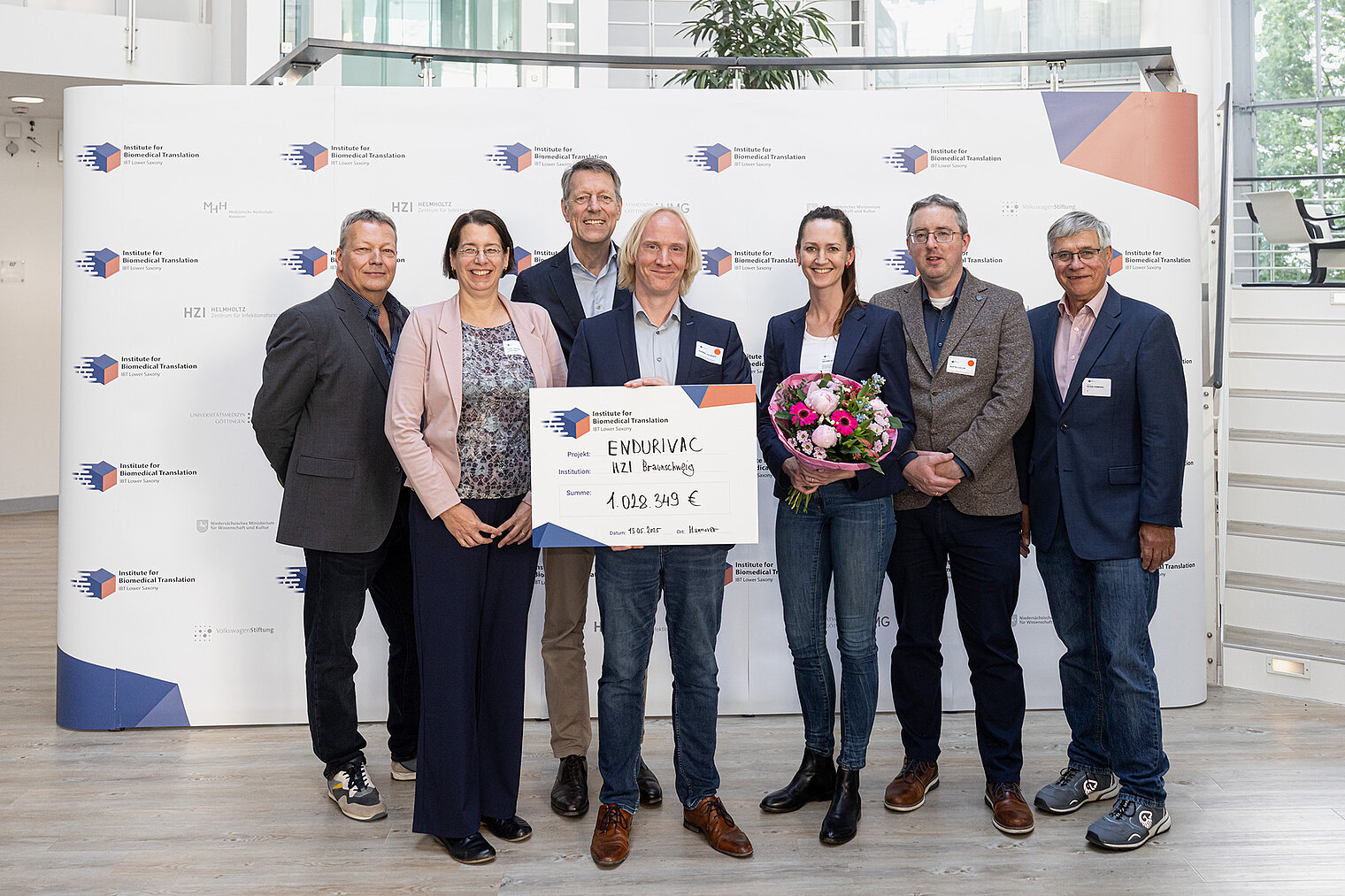
Durable Immunity – Institute for Biomedical Translation (IBT), Lower Saxony

This collaborative translational research project investigates novel vaccination strategies for durable immune protection. It combines fundamental immunological research with preclinical and translational approaches toward next-generation vaccines. Collaborative project with Prof. Luka Čičin-Šain (HZI, Braunschweig).
The Translational Scientist – DATIpilot, BMBF
![[Translate to English:] Logo DATIpilot](/fileadmin/_processed_/2/a/csm_BMBF_DATIpilot_0bce584b8f.png)
The Translational Scientist program supports the transition of innovative biomedical research toward clinical application. The project strengthens the interface between fundamental research, technology development and clinical translation, with a particular focus on establishing sustainable translational structures and expertise.
Newsroom