Press kit for the presentation of HUMAN on February 2, 2026
Human Microbe Alliance for Universal Health (HUMAN)
Depending on various factors such as age, lifestyle, genetic, epigenetic and social factors, individual immune system, medication taken, etc., each person reacts differently when interacting with microbes.
Exploring this "human ecosystem" is the main objective of the HUMAN (Human Microbe Alliance for Universal Health) project. HUMAN aims to improve our understanding of human health, particularly in relation to infectious diseases, and to use this knowledge for the development of innovative strategies to protect or restore it. In the first phase, 32 million euros are available for the project; following a successful interim evaluation, this sum may increase to up to 70 million euros. Funding is provided by the joint science funding program “zukunft.niedersachsen” of the Ministry of Science and Culture of Lower Saxony and the Volkswagen Foundation.
One Pager HUMAN (PDF; in German) Press release on the HUMAN event


HUMAN junior groups:



CVs HUMAN research leaders
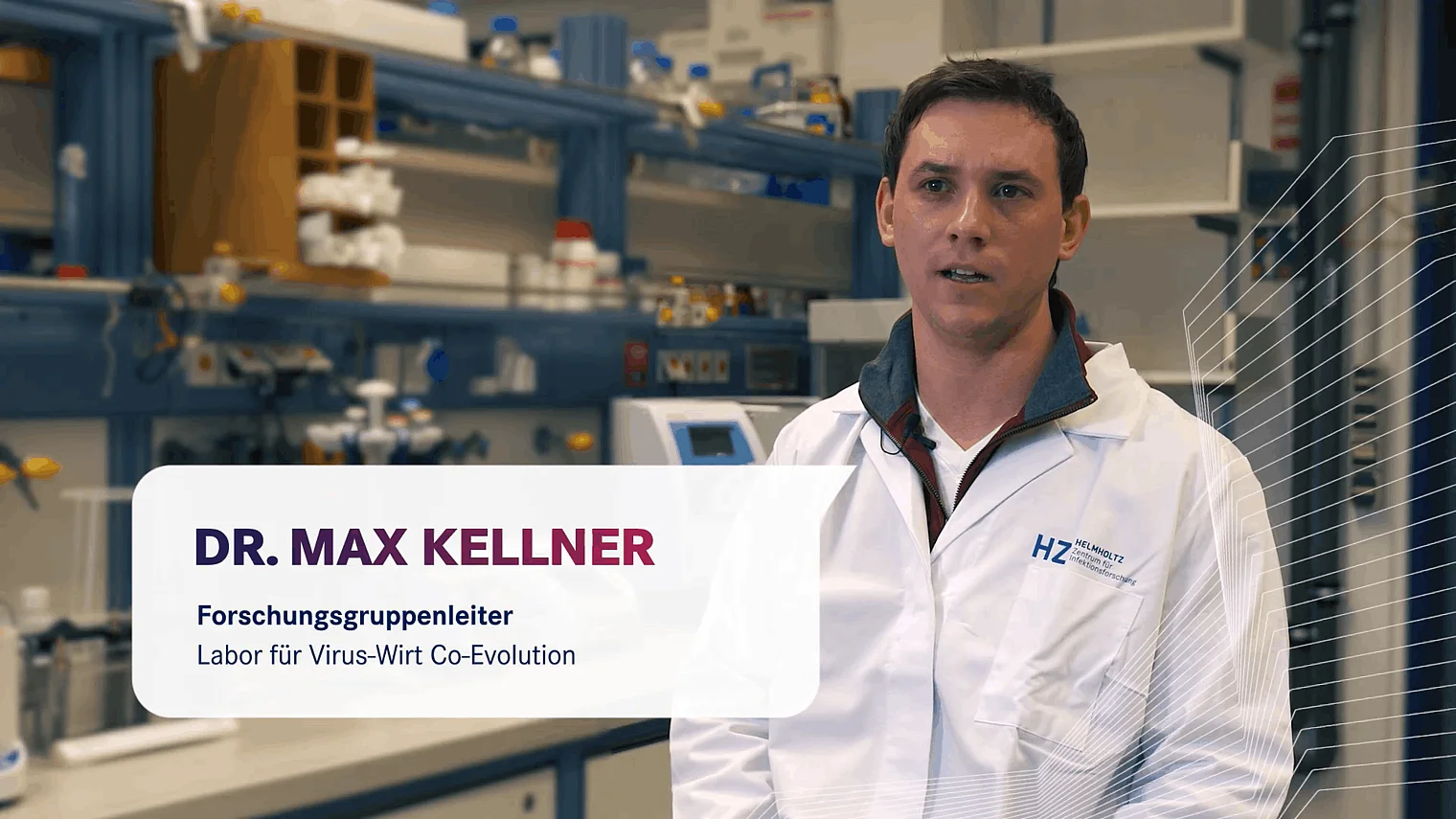
Max Kellner
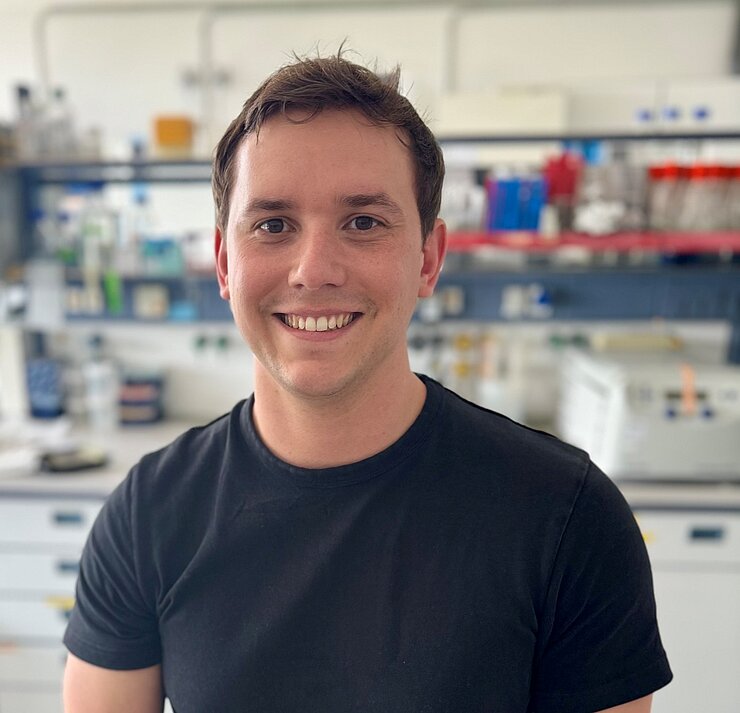
Born and raised in Vienna, Max Kellner gained his first laboratory and publication experience during my undergraduate studies at the University of Vienna, working in Michael Nodine’s group at the Gregor Mendel Institute (GMI). There, he helped develop methods to study gene regulation by microRNAs and their role in plant embryogenesis. As a Master’s student, he joined Feng Zhang’s lab at the Broad Institute of MIT and Harvard (USA), where he worked on CRISPR/Cas13-based bacterial immunity proteins, focusing on their application in virus diagnostics (SHERLOCK) and targeted gene regulation in mammalian cells.
Kellner began his doctoral training at the University of Cambridge in Madeline Lancaster’s lab (MRC Laboratory of Molecular Biology), where he investigated evolutionary aspects of human brain development using stem cells and 3D organoids. During the first COVID-19 lockdown, he had to temporarily return to Vienna and joined the Institute of Molecular Pathology (IMP) as a guest researcher, where he played a leading experimental role in a team developing RT-LAMP-based rapid SARS-CoV-2 diagnostics. As part of a research collaboration with colleagues in Ghana, the project was further developed to enable more targeted and efficient detection of infections in rural regions of West Africa.
Following this work, Kellner permanently transferred to Vienna and completed his PhD at the Institute of Molecular Biotechnology (IMBA) in Josef Penninger’s lab. By developing novel organoid culture systems for bats, his dissertation project provided key insights into bat epithelial innate immune responses to highly pathogenic viruses such as Marburg virus and human coronaviruses like MERS-CoV and SARS-CoV-2.
Since April 1, 2025, Kellner has been leading the junior research group VICO (Virus-Host Coevolution) at the Helmholtz Centre for Infection Research (HZI). His research focuses on the molecular interactions between viruses and their hosts, with particular emphasis on evolutionarily shaped components of innate immunity that prevent infection and confer disease resilience in mammals.
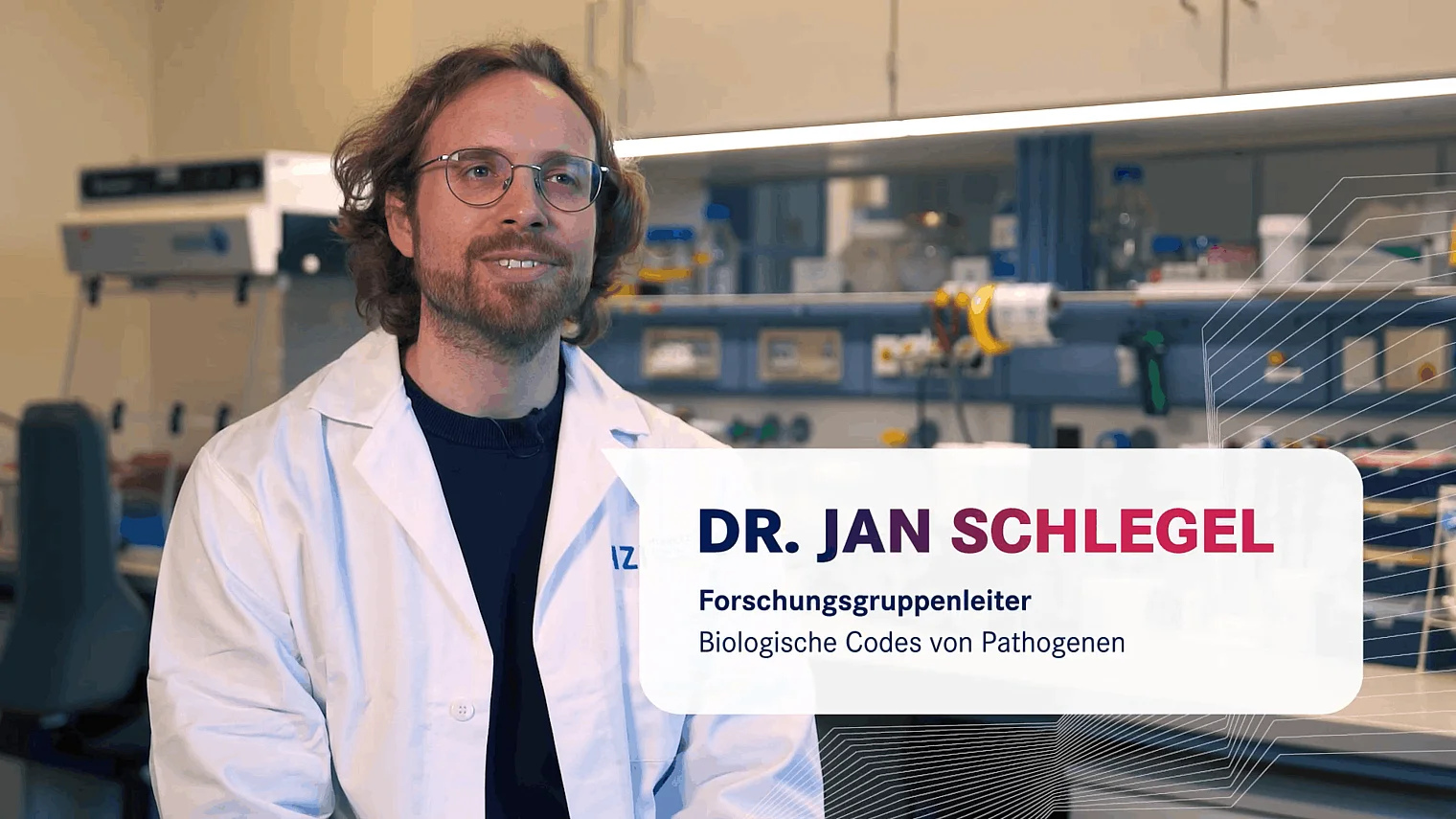
Jan Schlegel

Driven by the question of how life works on a molecular level, Jan Schlegel studied biology at the JMU Würzburg. Here he developed a particular fascination for biophysical methods and uncovering the hidden “nano-world”. He therefore decided to study for a doctorate in life sciences in the working group of Prof. Markus Sauer in order to further develop methods of super-resolution single-molecule microscopy for lipids in the context of host-pathogen interactions. After successfully completing his doctoral thesis (summa cum laude), he moved to the Karolinska Institutet (Prof. Erdinc Sezgin) in Sweden as a postdoctoral researcher in 2021 to develop innovative high-throughput screening methods for nanoparticles using advanced microscopy methods and synthetic biology. The award of a competitive Marie Skłodowska-Curie Postdoctoral Research Fellowship allowed him to focus on his own research in the field of asymmetric distribution of lipids in biological membranes from 2022 to 2024. He then moved to the Royal Institute of Technology (KTH) in Sweden (Prof. Hjalmar Brismar & Dr. Hans Blom) as a postdoctoral researcher, where he was able to further develop his expertise in single-molecule localization microscopy to answer cell biological questions using MINFLUX microscopy. Since August 1, 2025, Jan Schlegel has headed the HUMAN (Human Microbe Alliance for Universal Health) junior research group “Biological Codes of Pathogens” at the Helmholtz Centre for Infection Research (HZI) in Braunschweig. His group is dedicated to the research of biological codes (e.g. glycocode, biophysical code, etc.) of pathogens in order to develop innovative diagnostic and therapeutic approaches against infectious diseases.
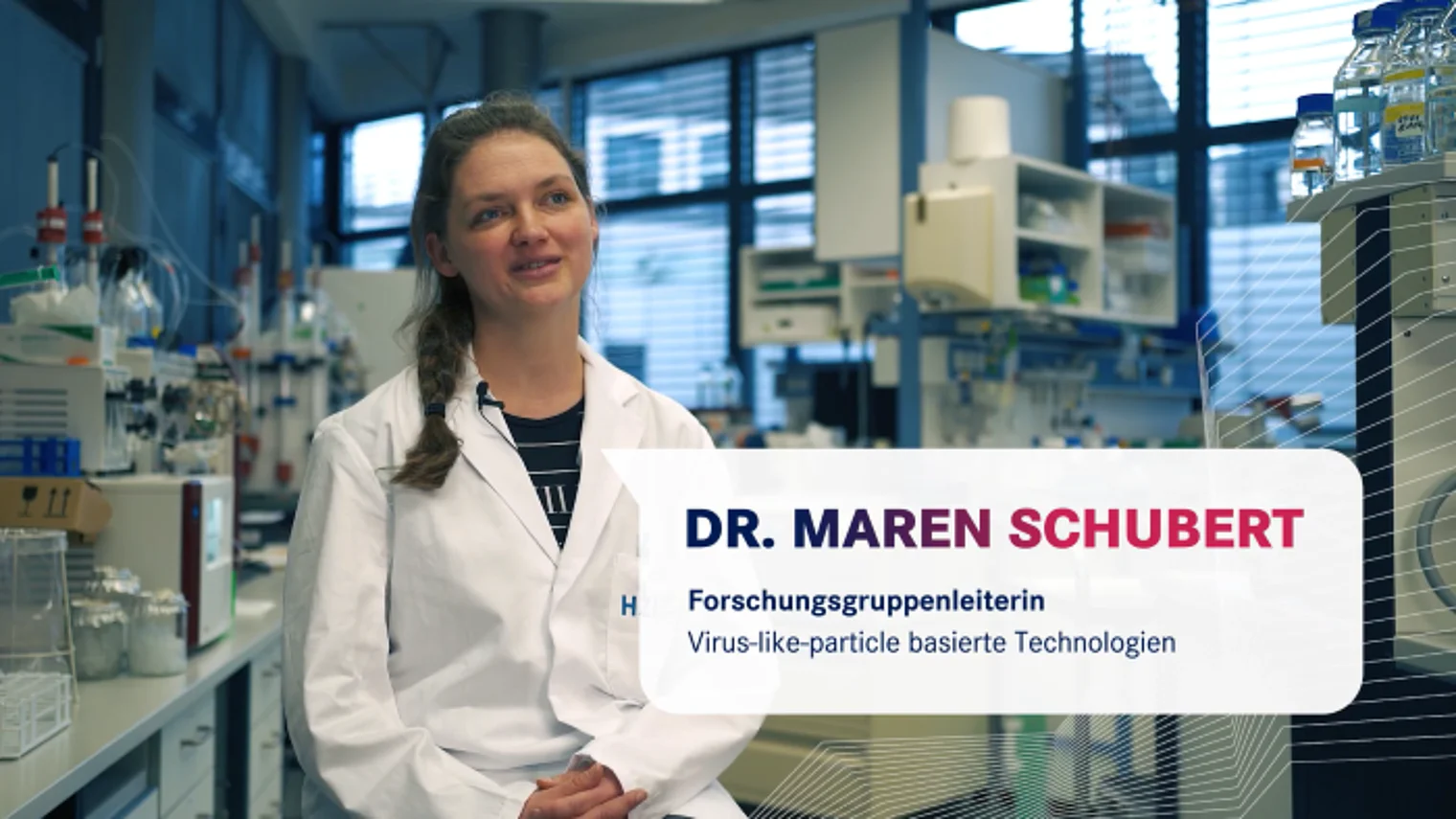
Maren Schubert
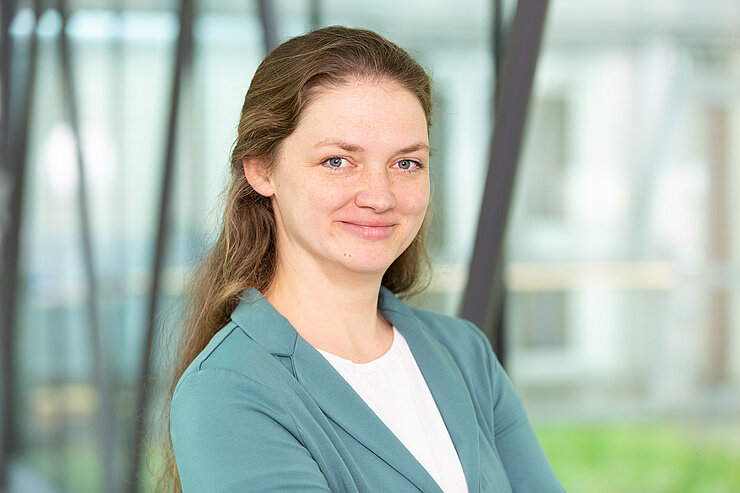
Dr. Maren Schubert (née Bleckmann) studied biotechnology at the TU Braunschweig and obtained her PhD at the HZI in 2016 in the group for Recombinant Protein Expression. During her PhD, she developed a novel baculovirus-free expression system for insect cells as well as cell-based screening assays. She then became head of the recombinant protein expression platform at the Rudolf Virchow Centre in Würzburg, where she was responsible for the production of various proteins for different projects. In 2018, she returned to the TU Braunschweig to work on antigen and antibody expression systems and the development of cellular assays in the Department of Biotechnology. The SARS-CoV-2 antigens produced in her insect cell system were applied e.g. for the development of anti-COVID-19 antibodies (COR101, NCT04674566) and in various diagnostic studies. In addition, she developed virus-like particle (VLP)-based systems for the generation, evaluation and development of monoclonal antibodies. In September 2025, she is now back at the HZI as HUMAN junior research group leader and focuses on VLP-based technologies to successfully fight infectious diseases.
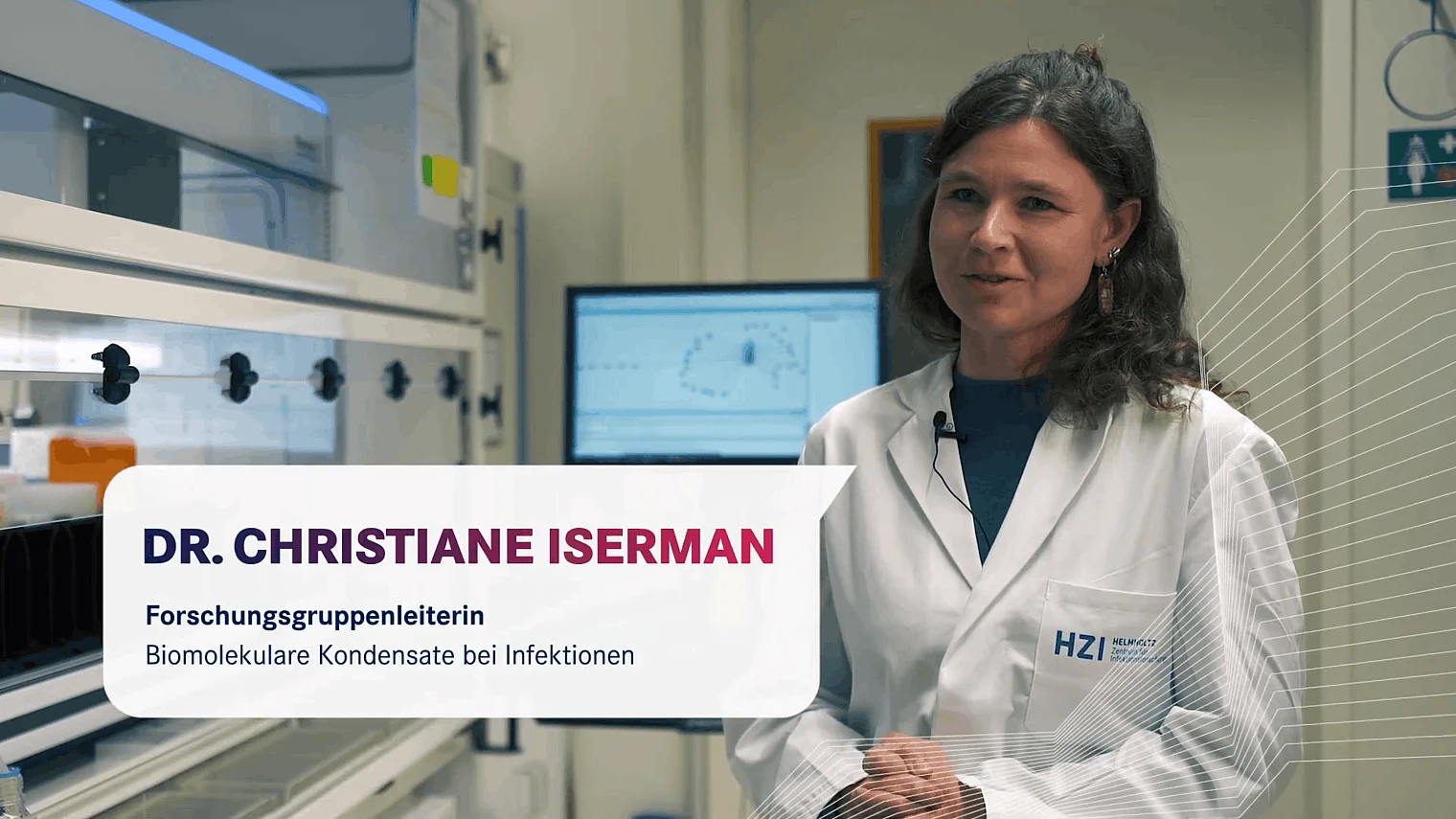
Christiane Iserman

Driven by her interest in science, Christiane Iserman studied Electro- and Information Technology and Biology and was selected to join the Biology PLUS/International Program at the University of Düsseldorf, which included a year of research at Michigan State University. She was awarded the “Deutschlandstipendium” for three consecutive years. Following her B.Sc., she entered the IMPRS PhD program at the Max Planck Institute of Molecular Cell Biology with a fellowship for a fast-track PhD. During her PhD under Prof. Simon Alberti, she investigated how cells measure stress signal intensity and adjust their response. She demonstrated how yeast proteins condense in response to stress, triggering downstream gene expression through translational regulation. This work, now published in Cell, was a key achievement during her academic training.
She later pursued postdoctoral research at UNC Chapel Hill with Prof. Amy Gladfelter, where she explored RNA-based condensation in viral packaging and was recognized with a Christiane Nüsslein-Volhard fellowship. Her work that was published in Molecular Cell and recognized with a NIH Fast Grants Award for its impact on coronavirus biology.
As Head of Condensate Biology for Infectious Diseases at Dewpoint Therapeutics, she led cross-disciplinary teams working in oncology, nephrology, and virology, advancing programs from hypothesis generation to high-throughput screening (HTS) and hit-to-lead processes. Her collaborative work with Pharma partners honed her expertise in drug discovery. At the Max Planck Institute of Molecular Cell Biology and Genetics, she later on worked with Anne Grapin-Botton and Tony Hyman to set-up organoid systems for condensate biology research.
Since October 1, 2025, Christiane Iserman has headed the HUMAN (Human Microbe Alliance for Universal Health) junior research group “Biomolecular Condensates in Infection” at the Helmholtz Centre for Infection Research (HZI) in Braunschweig. Her group is dedicated to the research of biomolecular condensates in infection in order to develop innovative antiviral strategies.
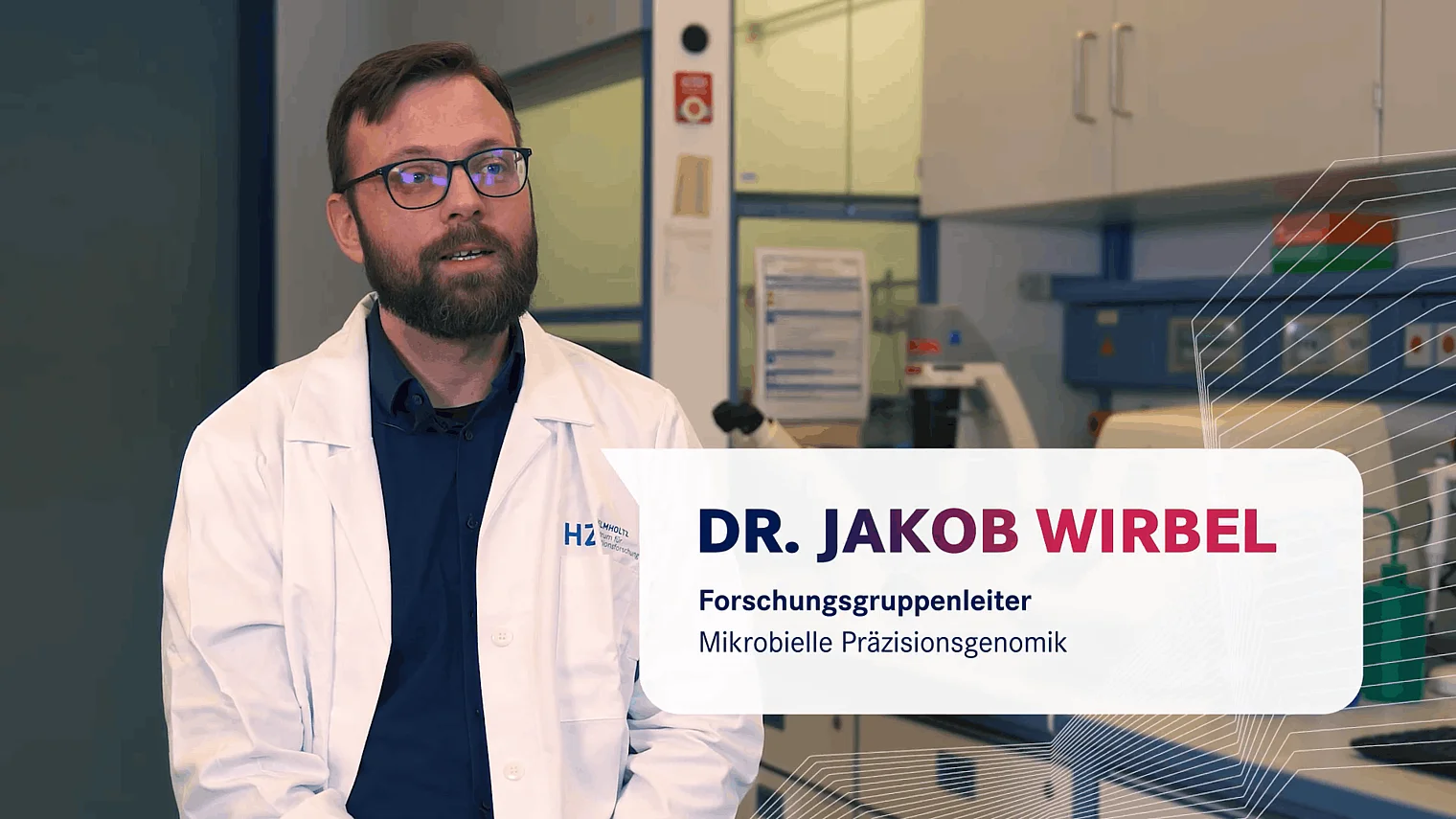
Jakob Wirbel

Jakob Wirbel studied molecular biotechnology at the Ruprecht Karl University of Heidelberg. After completing his Master of Science in the laboratory of Julio Saez-Rodriguez, he joined the group of Georg Zeller at the European Molecular Biology Laboratory for his doctoral studies, focusing on machine learning and statistical methods for microbiome data. He then moved to the lab of Ami Bhatt at Stanford University, supported by a fellowship of the Damon Runyon Cancer Research Foundation, where he was introduced to long-read metagenomic sequencing. At HZI, Jakob Wirbel is heading the junior research group “Precision Microbial Genomics” in the HUMAN program.
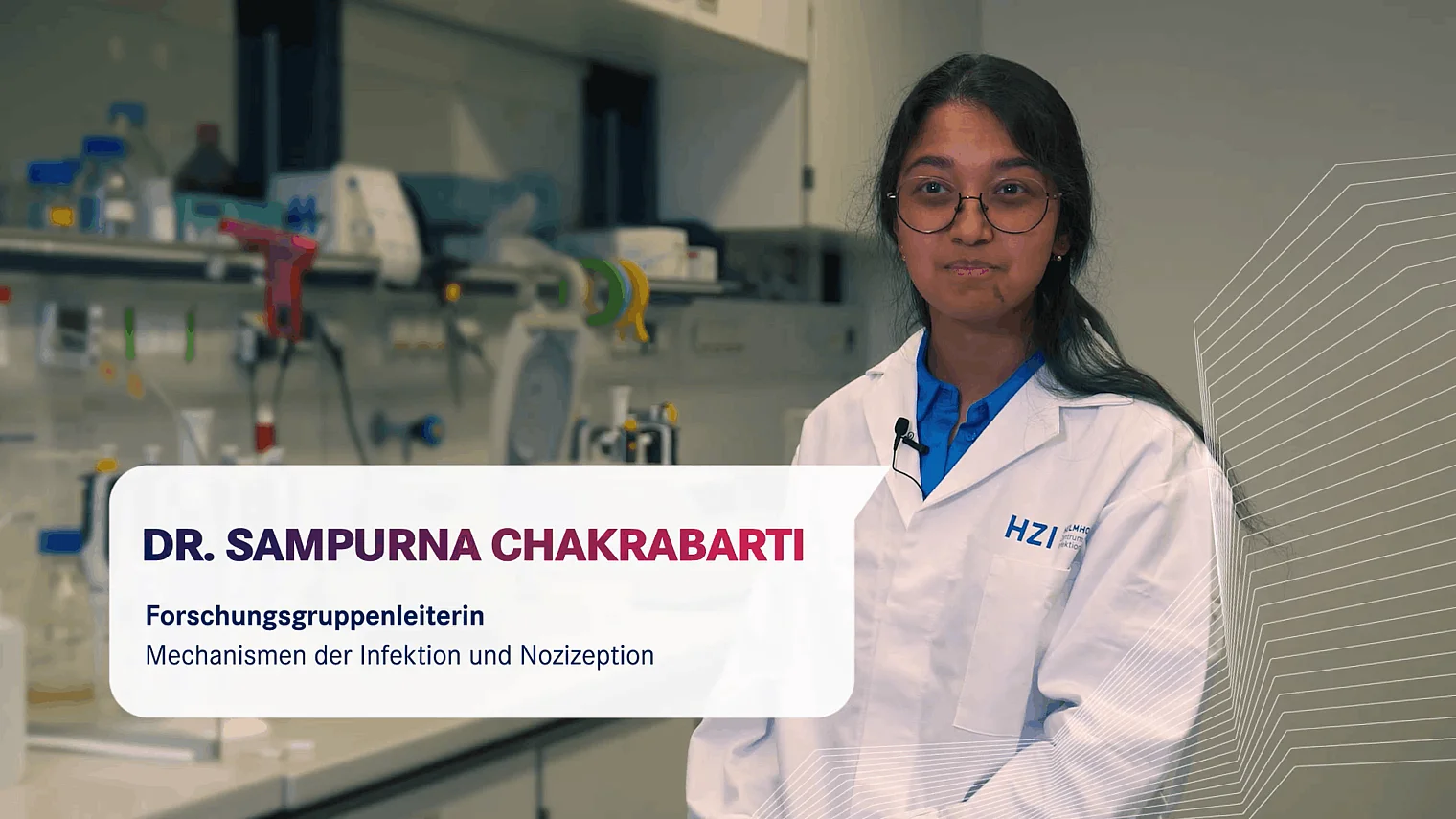
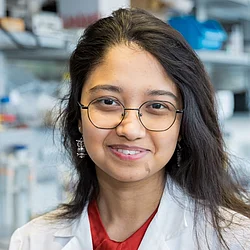
Sampurna Chakrabarti
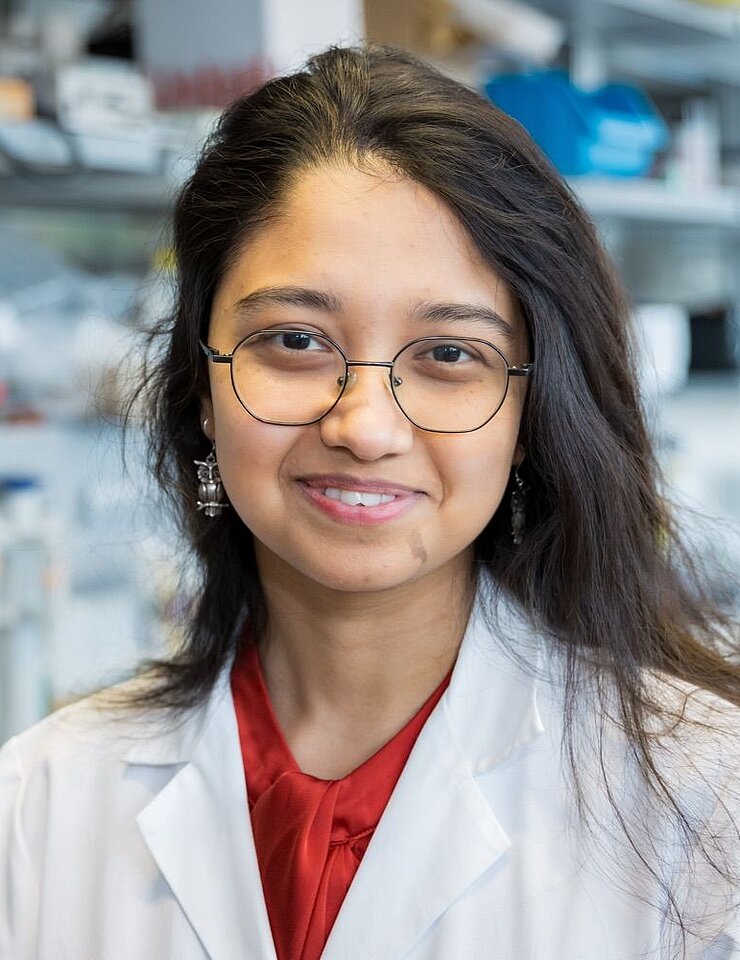
Originally from Kolkata, India, Sampurna Chakrabarti earned a BS in Biological Sciences (Neuroscience track) and a BA in Psychology from the University at Buffalo, NY, USA. She then received a Gates Cambridge Scholarship to pursue her PhD at the University of Cambridge, UK, where she investigated mechanisms of peripheral sensitization in inflammatory knee pain and won multiple research awards, including a research stay at the European Molecular Biology Laboratory in Rome, Italy.
In 2020, Sam joined the Max Delbrück Center for Molecular Medicine in Berlin, Germany, as a postdoctoral scientist studying mechanosensation and diversity of sensory neurons, supported by an Alexander von Humboldt Fellowship. During this time, she also secured several independent research grants, including the Grass Fellowship at the Marine Biological Laboratory, MA, USA, where she examined pain-like behavior in sharks.
Sam has published over 10 papers in leading journals, served as a reviewer for several reputed journals including PAIN and Science Advances, and is an Early Career Editorial Fellow at the Journal of Pain. Since October 2025, she has been leading the HUMAN-funded junior research group “Pathways in Infection and Nociception” (PAIN) at the HZI to study infection-induced changes in nerve function leading to pain in both mice and humans.