The bacterium Klebsiella pneumoniae is part of the normal microbial flora present in babies from birth. Under certain circumstances, however, it can also cause disease. Premature babies, in particular, are at high risk of severe intestinal inflammation and bloodstream infections. For this reason, the young patients in the neonatal intensive care unit are regularly tested for the bacterium.
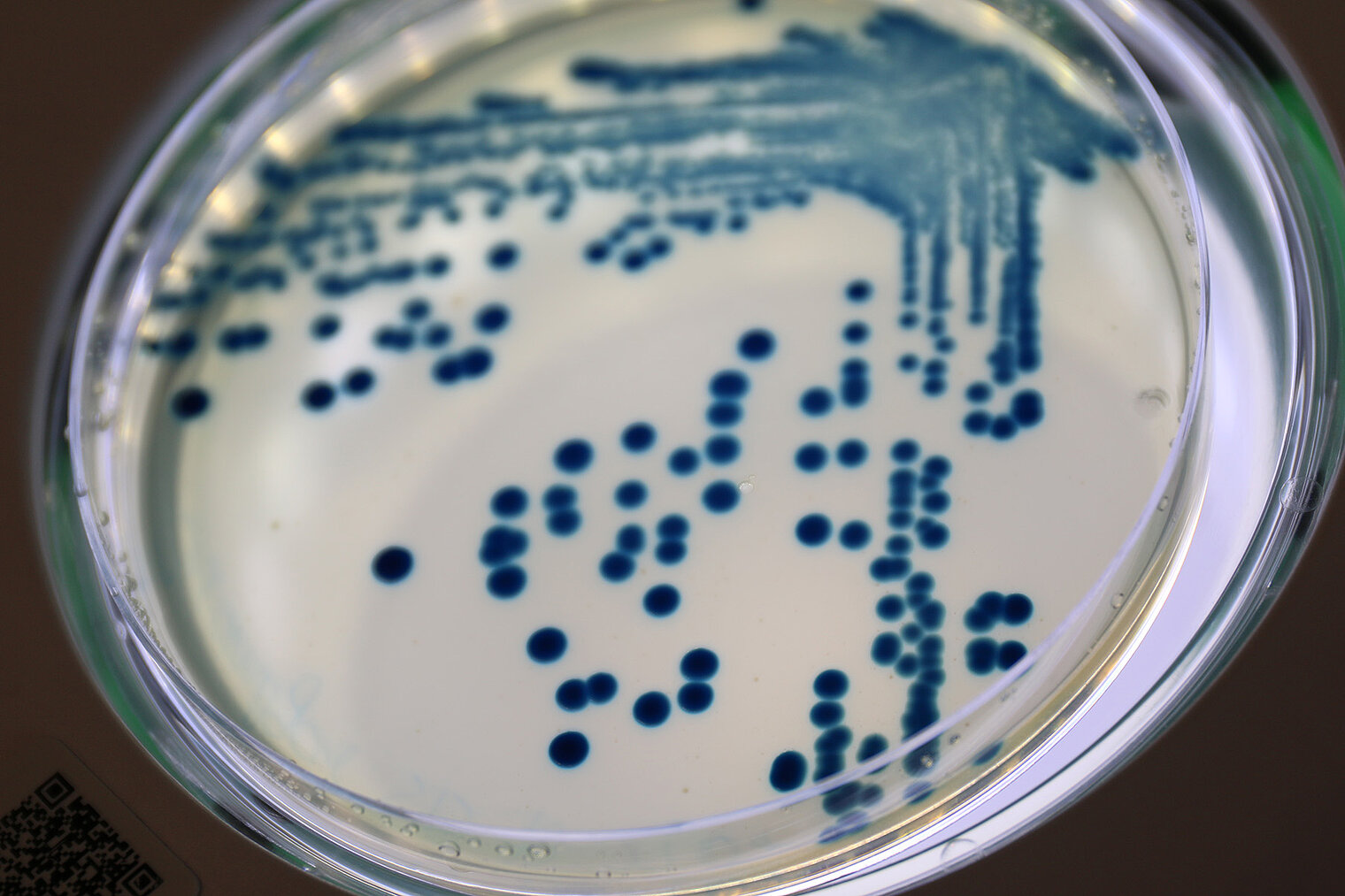
“When Klebsiella was detected in these swabs, we sequenced it and classified it into genetic clusters,” says Dr Leonard Knegendorf. “This enables us to identify whether any feared outbreaks are occurring on the ward.” Knegendorf is a specialist in microbiology at MHH and, since May 2024, has also been leading the junior clinical research group ”Data-Driven Clinical Microbiology” at TWINCORE. He is also an associated research group leader at HZI.
Over a period of 30 months, the team tested all 936 patients in the neonatal intensive care unit weekly for Klebsiella pneumoniae, regardless of whether an outbreak was suspected or not. Around 8.7 per cent of the children carried the bacteria; in more than two-thirds of these cases, the bacteria were only detected during the course of treatment. So-called “very low birth weight” infants – that is, premature babies weighing less than 1,500 grams at birth – were found to be particularly at risk. They had more than three times the risk of acquiring Klebsiella in the ward. In fact, however, only three of the affected children fell ill; all of them had additional serious risk factors, such as a weakened immune system or having undergone surgery shortly beforehand.
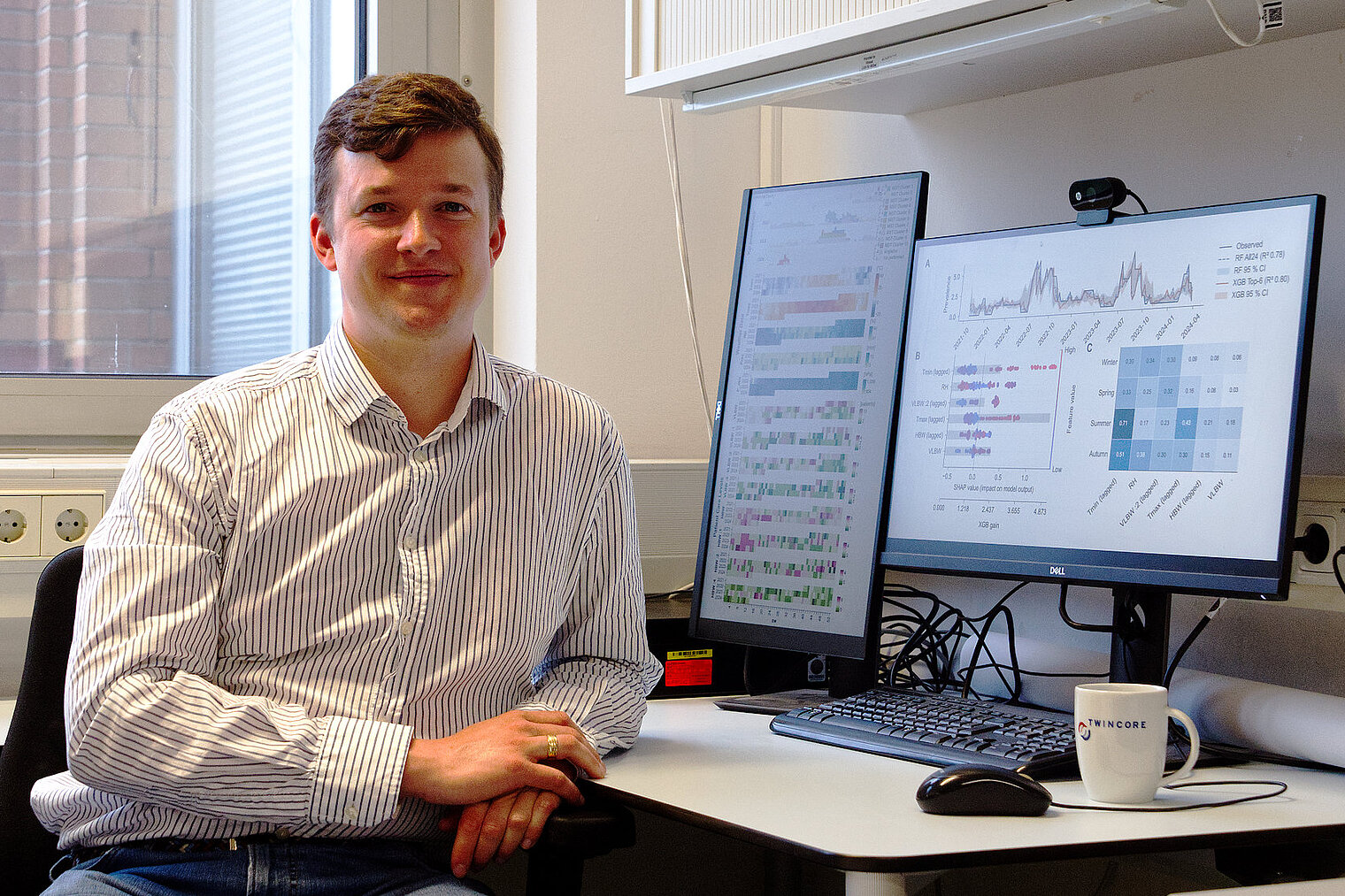
One finding was particularly surprising, which the researchers only uncovered through the use of machine learning. The frequency with which Klebsiella clusters occurred on the ward fluctuated over the course of the year, and this pattern could be explained by weather data. “We found that weeks with particularly warm nights in the preceding four weeks were associated with a higher frequency of clusters,” says Knegendorf. Humidity also played a role. A statistical model based on this climate data and information on the patient population was able to explain up to 80 per cent of the fluctuations in cluster frequency. “We suspect that outdoor temperatures influence the bacterial load in the ward environment, for example via surfaces, drains or other damp areas,” says Knegendorf. “However, these are still hypotheses that we need to test in further studies.”
The findings show that Klebsiella bacteria are continuously transmitted in intensive care units even outside of classic outbreaks, and that climatic conditions may play a role that has been underestimated to date. During warmer periods, more targeted measures such as increased disinfection, more frequent screening or staff training could help to better protect children who are particularly at risk.
As a next step, the team plans to speed up genomic analysis. Until now, it has taken an average of just over three weeks for sequencing results to become available. With the help of Oxford Nanopore technology, this time is set to be significantly reduced, enabling transmission chains to be identified and interrupted even more quickly in future.