Founded in 2009, the European Academy of Microbiology aims to promote microbiological research in Europe and to strengthen the exchange of ideas between scientists. New Fellows of the EAM are selected by existing members of the Academy through a rigorous nomination and evaluation process. The prestigious recognition highlights Häußler’s outstanding contributions to the fields of microbial genomics and molecular diagnostics. Her department focuses on identifying the genetic determinants that enable Pseudomonas aeruginosa to adapt to a persistent, chronic infection state and develop resistance to antimicrobials. This research is driving the development of innovative diagnostic tools for accurately profiling resistance and paving the way for new therapeutic strategies to combat therapy-resistant biofilm infections. “Being elected to the EAM is a great honor. I look forward to contributing to the Academy’s mission of promoting microbiology across Europe,” says Häußler.
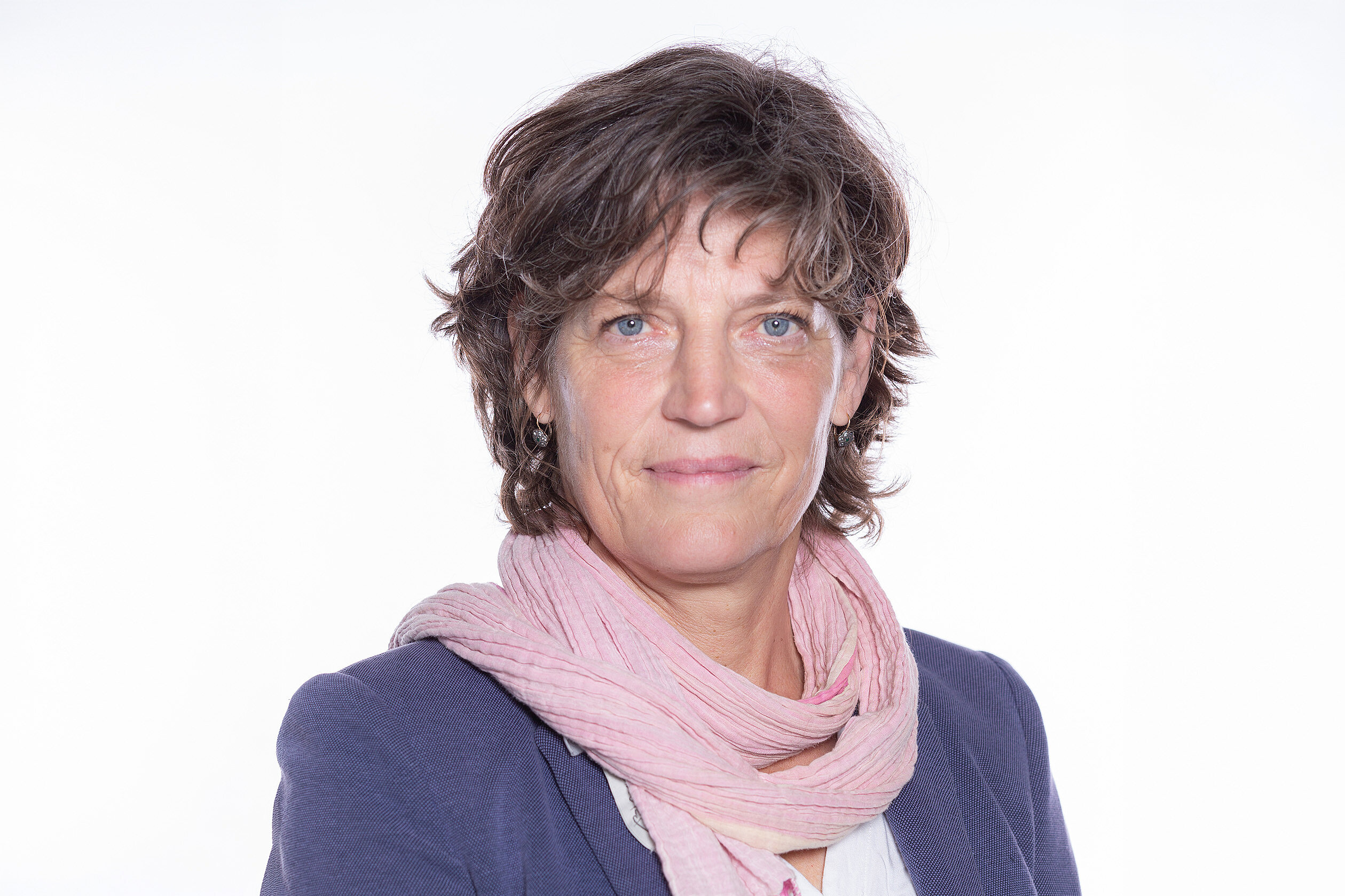
© HZI/Verena Meier
News
Susanne Häußler elected to European Academy of Microbiology
About the European Academy of Microbiology (EAM)
The European Academy of Microbiology is part of the Federation of European Microbiological Societies (FEMS) network and brings together eminent microbiologists whose work has significantly advanced the field. Through the collective expertise of its Fellows, the Academy contributes to scientific dialogue, supports emerging priorities in microbiology, and helps amplify the impact of microbiological research for society.
Further information
- News by European Academy of Microbiology
- Complete list of EAM fellows
![[Translate to English:] Charlotte Schwenner](/fileadmin/_processed_/6/9/csm_Charlotte_Schwenner_7952cfe0a7.webp "Dr Charlotte Schwenner")
![[Translate to English:] 3D-kontrastierte Oberflächenstruktur von LasB (beige) mit einem Inhibitor der 3. Generation (dunkelblau), der Zink (grau) bindet.](/fileadmin/_processed_/8/b/csm_LasB_Foto_b7734ae7a4.png)