“The recording of ancient DNA of pathogens has completely changed our understanding of infectious disease in the past. Ancient genomes help us understand how pathogens evolved and how they impacted past societies - such as SPPV, which we show has been affecting Eurasian sheep herds for at least three and a half millennia,” said Louis L’Hôte, PhD candidate at UCD, visiting scientist at HIOH and lead author of the study.
Unexpectedly, many SPPV genomes were derived from some of Europe’s most well-known historic manuscripts. These manuscripts had been written on parchment, a material made from animal skin. “Here we show that parchment can also preserve animal pathogen DNA. It is possible that archives and libraries around the world also contain the genetic traces of disease outbreaks in animals in the past.”
Among the works analyzed was the 1,000-year-old York Gospels, one of the finest illuminated manuscripts surviving from the early Anglo-Saxon period, and earlier manuscripts such as the Corpus Glossary of Corpus Christi College Cambridge, one of the earliest English dictionaries, and other medieval codices from across Britain and continental Europe.
One of the most unexpected findings from the new study was the detection of SPPV DNA on parchment made from calfskin and goatskin, suggesting either rare examples of cross-species infections or that there was contamination during the parchment-making process.
“Parchment making has been considered a vanishing craft, but we are beginning to understand just how much of the past it has retained. This project shows that parchments not only preserve our cultural history for hundreds of years, but also the landscape of disease in our livestock in the medieval period,” said Associate Professor Kevin G. Daly, UCD School of Agriculture and Food Science, and the study’s supervising author.
“This kind of exciting, surprising discovery is only possible when researchers from a range of disciplines come together to share their expertise and data - a generosity and trust that collaborative science depends on.”
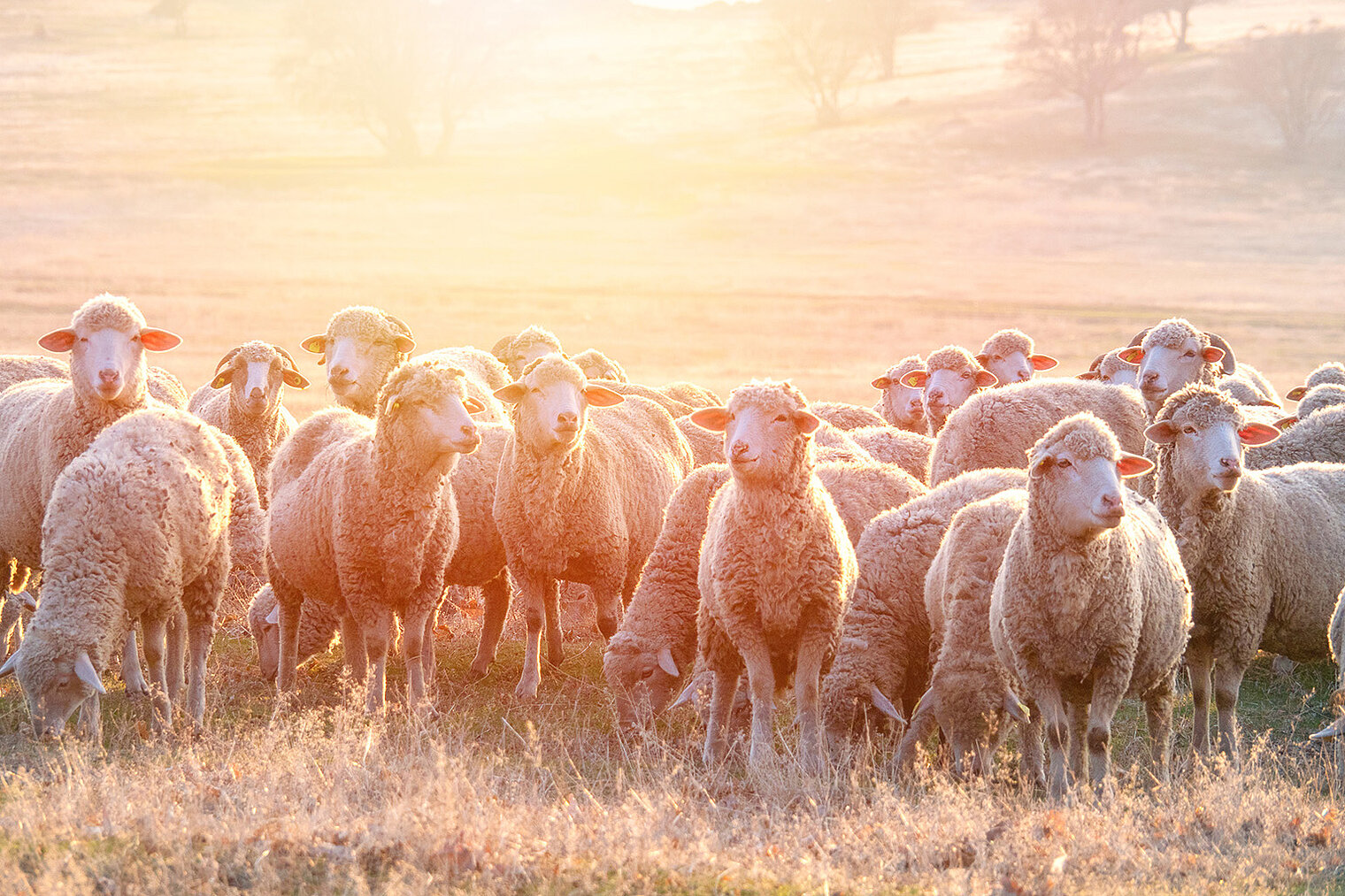
By combining the study of manuscripts with even older samples from Bronze Age sheep teeth, the study reveals that SPPV has threatened livestock for over 3,700 years. The earliest detections were from ancient pastoralist settlements in the Eurasian steppe.
By comparing these ancient sequences with early 20th century and modern ones, the team estimated that the major lineages of capripoxviruses (SPPV, goatpox virus, and lumpy skin disease virus) diverged between 11,500 and 3,700 years ago. This timeline aligns with the rise of animal domestication and the major translocation of sheep from the steppe into Europe.
"Long-term transects such as this one allow us to pinpoint how human engineering of the environment has fundamentally changed the course of pathogen evolution, starting with the landscape of cross-species transmission and emergence," said Professor Sébastien Calvignac-Spencer, head of the department “Pathogen Evolution” at HIOH, and a supervisor of the study’s evolutionary analyses. "The more we understand these past changes and their consequences, the better prepared we are to respond to pathogen emergence in our own changing world."
An international research team participated in the study that produced these results. The study was led by University College Dublin, with Louis L’Hôte, the study’s first author, and Professor Kevin G. Daly of UCD’s School of Agriculture and Food Sciences serving as the corresponding author. On the HIOH side, the department “Pathogen Evolution” participated in this study.