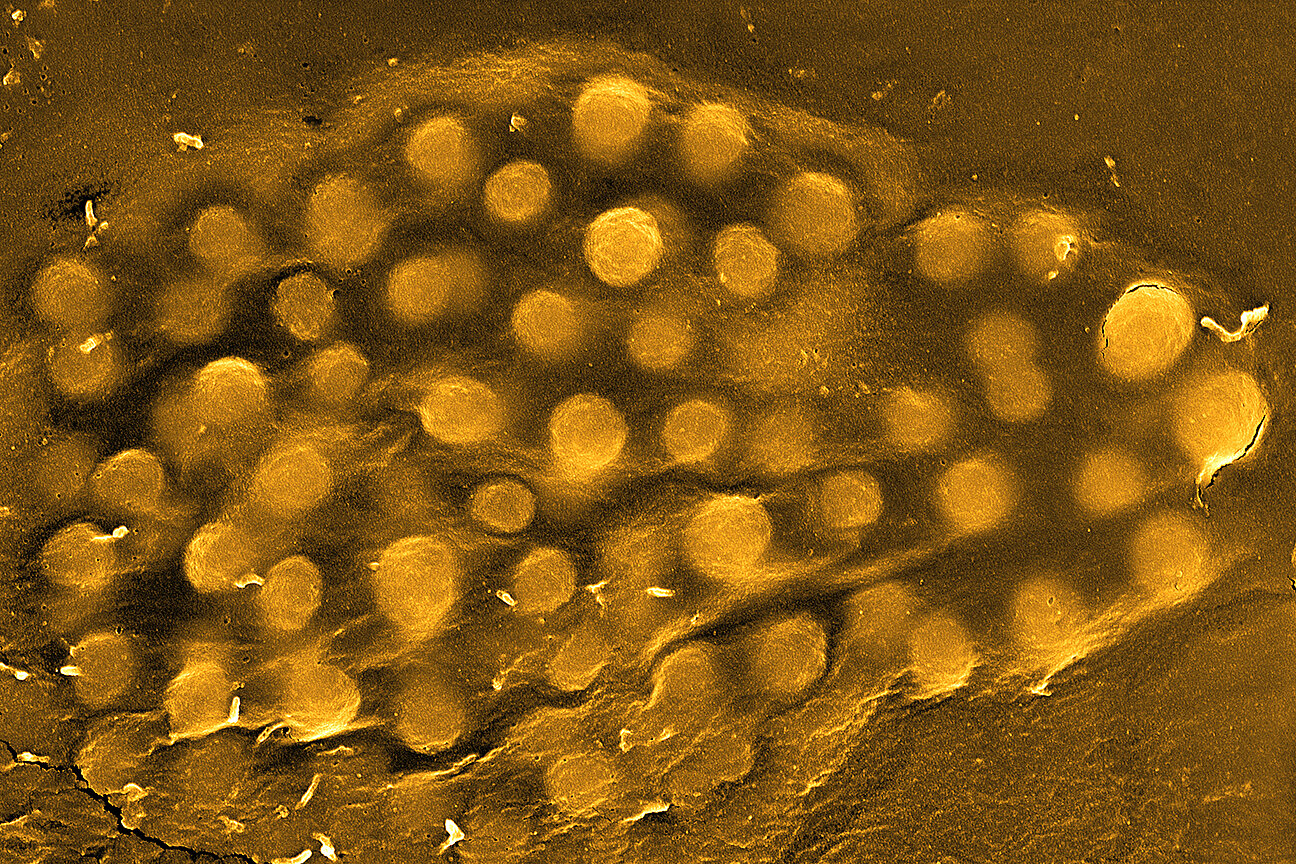
The growing threat of antibiotic resistance requires innovative research approaches and their efficient implementation in clinical practice. In the HZI department “Chemical Biology”, headed by Prof. Mark Brönstrup, scientists have developed a promising approach for novel active substances and are driving the project forward under the name “PROTON.” They are focusing on a so-called pathoblocker. These active substances inhibit the mechanisms by which bacteria cause disease, but they do not directly inhibit the growth of the bacteria. This means that they do not exert any selection pressure on bacteria, significantly reducing the risk of developing resistance.
“Our pathoblocker targets a toxin produced by the bacterium Staphylococcus aureus, which is responsible for destroying lung tissue and immune cells. If we can neutralize this toxin, we will open up new therapeutic perspectives,” says Dr. Aditya Shekhar from the PROTON team, and his colleague Dr. Dominik Heimann adds: “We are delighted to have succeeded in the highly competitive Science4Life Venture Cup. This encourages us to continue pursuing this new therapeutic approach, for example to create an option for preventing severe pneumonia in high-risk patients.”
In 2024, the PROTON project received approximately €890,000 in funding from the Institute for Biomedical Translation (IBT) Lower Saxony. Starting in May 2026, the researchers will also receive support from Helmholtz Enterprise (HE), a program of the Helmholtz Association that supports entrepreneurial activities and spin-off ventures by scientists.
![[Translate to English:] Charlotte Schwenner](/fileadmin/_processed_/6/9/csm_Charlotte_Schwenner_7952cfe0a7.webp "Dr Charlotte Schwenner")