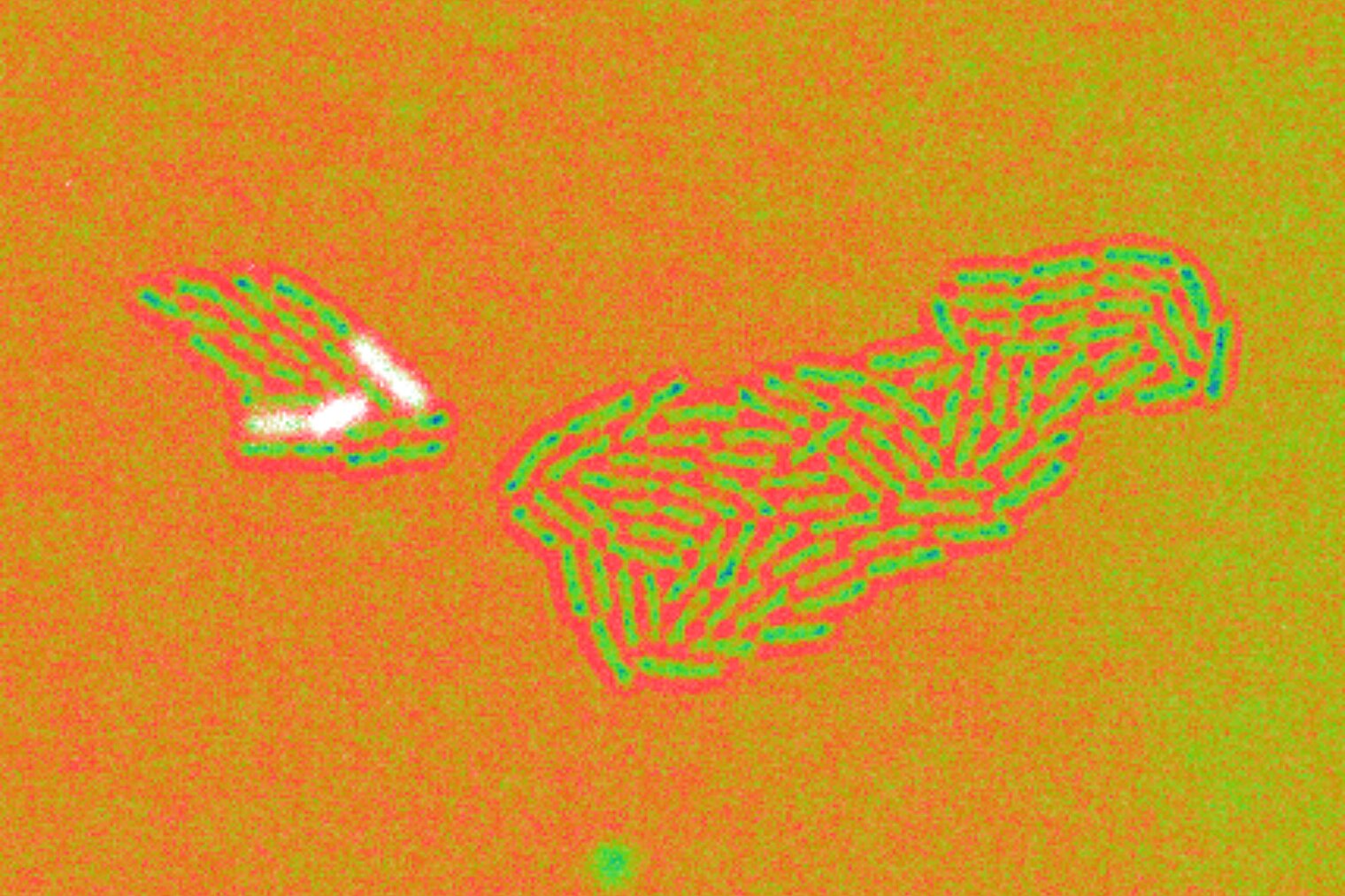
Pseudomonas aeruginosa is a particularly problematic pathogen that is often resistant to multiple antibiotics and can cause difficult-to-treat infections. In critically ill or immunocompromised patients, it can trigger life-threatening infections, such as pneumonia, wound infections, or sepsis. The World Health Organization (WHO) therefore lists P. aeruginosa among the pathogens for which new treatment options must be developed urgently.
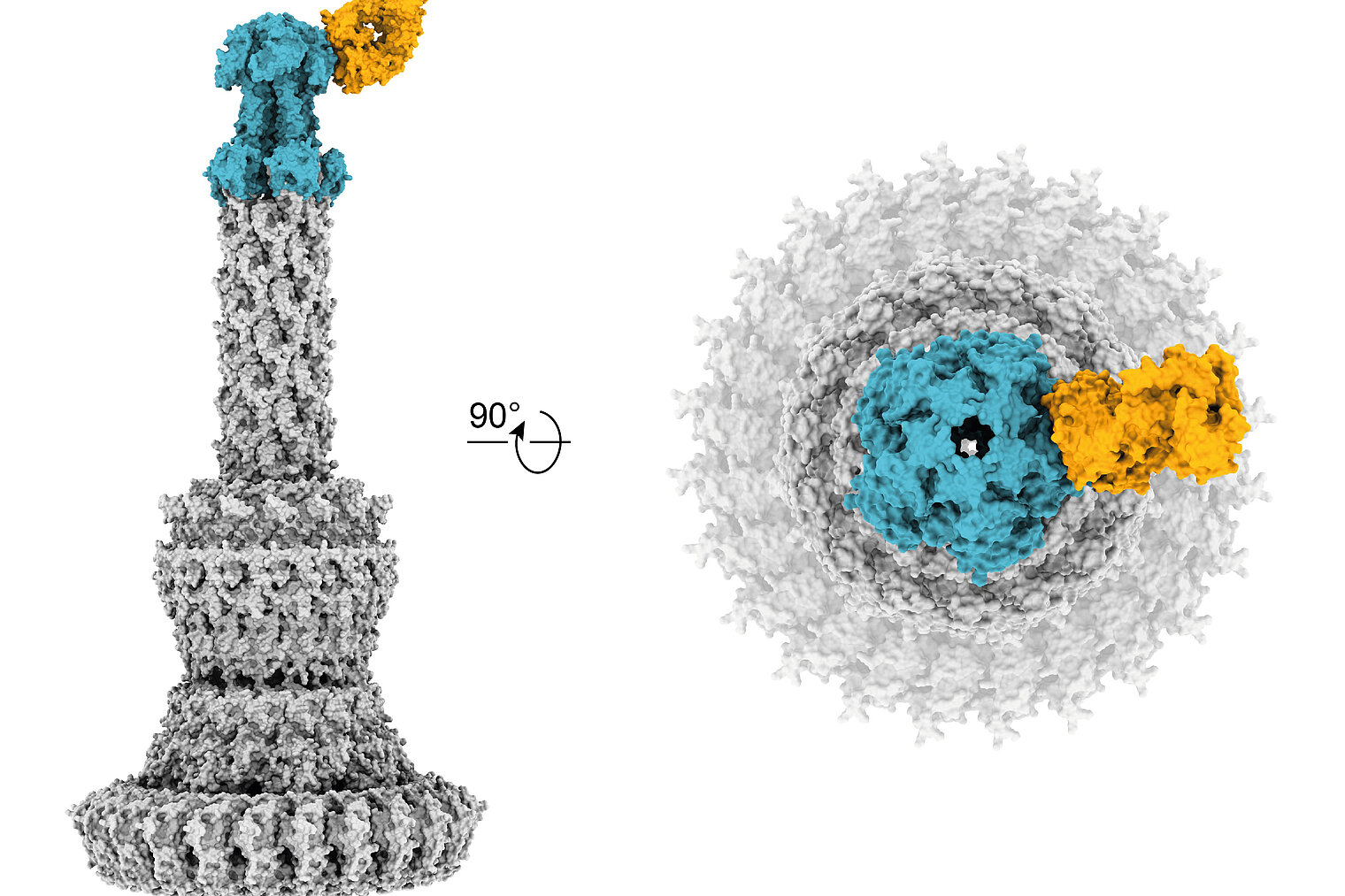
An important virulence mechanism of the bacterium is the so-called Type III secretion system (T3SS). Through this system, the bacterium injects toxic proteins directly into human cells, which can worsen the course of the disease. A central component of this system is the PcrV protein, which acts like a "key" for the bacterium's attack. Blocking PcrV inhibits T3SS function, thereby substantially reducing the bacterium's virulence.
Antibodies as a promising therapeutic approach
DZIF researchers at the University Hospital Cologne have discovered that people who have been infected with P. aeruginosa for an extended period of time produce particularly effective antibodies against PcrV. Antibodies are proteins produced by the immune system that can specifically recognize and neutralize pathogens or their components. Based on this finding, monoclonal antibodies (mAbs) that specifically target PcrV were isolated in the laboratory. In animal models, these antibodies were shown to reduce both the number of bacteria and damage to lung tissue—with a level of effectiveness comparable to that of conventional antibiotics. The antibody UHC-D9b was selected as the lead development candidate.
"With UHC-D9b, we are pursuing a new therapeutic approach that does not directly kill the bacterium, but instead targets one of its disease-causing mechanisms. This lays the groundwork for advancing an innovative antibody therapy from preclinical research into clinical development," explains Prof. Dr. Dr. Jan Rybniker of the University Hospital Cologne, who is leading the project together with PD Dr. Dr. Alexander Simonis.
PANTIPA enters its second development phase
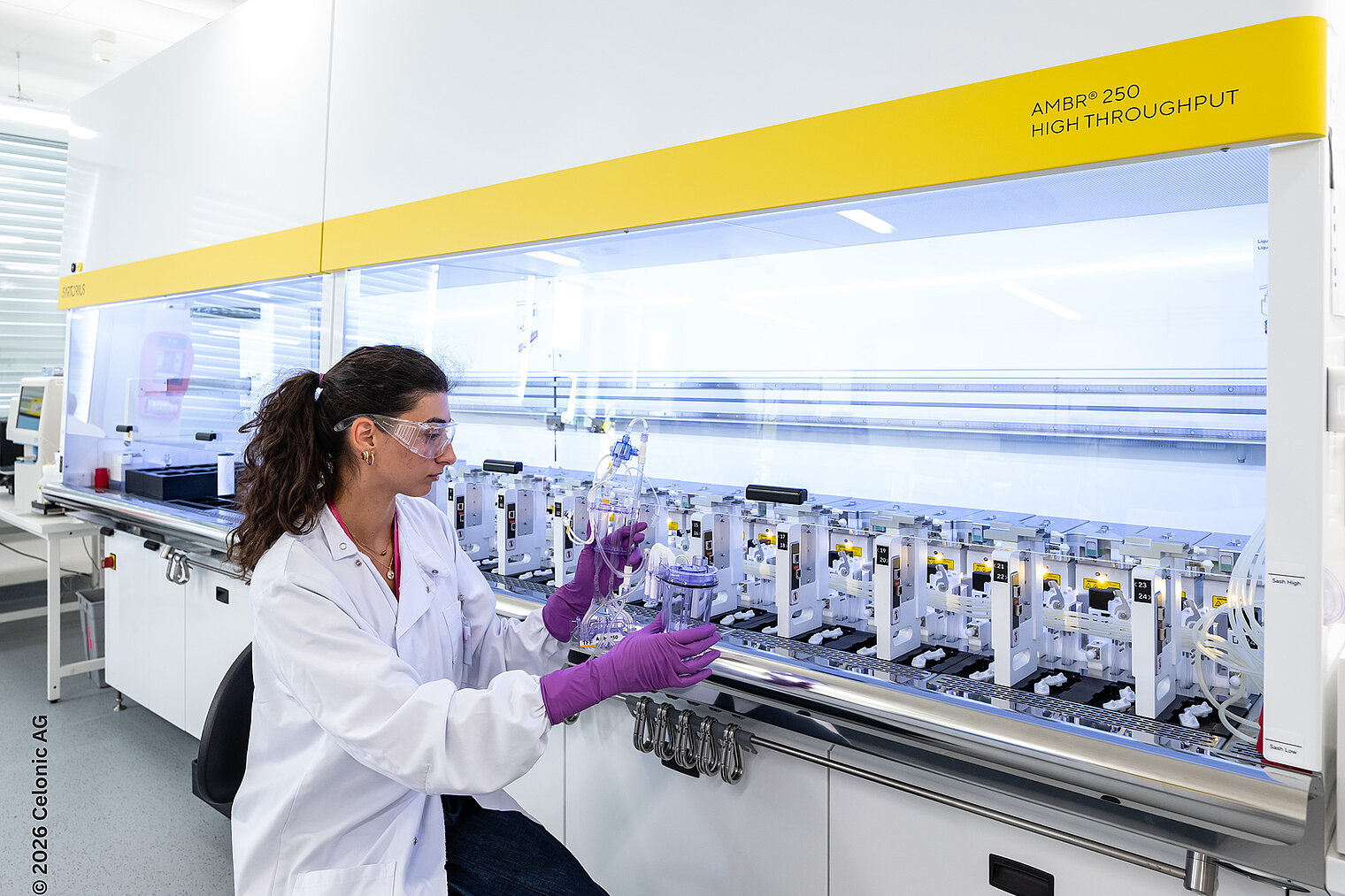
The project can now take the next crucial step toward clinical development. In the second project phase, the selected antibody, UHC-D9b, will be produced in cell cultures under strictly controlled Good Manufacturing Practice (GMP) conditions and tested against numerous clinical Pseudomonas isolates to assess its activity against different bacterial strains. The Swiss-based Celonic Group was selected as a specialized partner for development and GMP manufacturing.
The long-term goal is to develop the antibody for two potential applications: the targeted treatment of acute infections caused by P. aeruginosa, such as pneumonia or sepsis, and preventive protection for particularly vulnerable patients through passive immunization.
![[Translate to English:] Charlotte Schwenner](/fileadmin/_processed_/6/9/csm_Charlotte_Schwenner_7952cfe0a7.webp "Dr Charlotte Schwenner")
![[Translate to English:] 3D-kontrastierte Oberflächenstruktur von LasB (beige) mit einem Inhibitor der 3. Generation (dunkelblau), der Zink (grau) bindet.](/fileadmin/_processed_/8/b/csm_LasB_Foto_285f45eb0c.png)