Collage of portraits of Alexander Titz and Christian Sieben
Prof. Alexander Titz and Prof. Christian Sieben receive funding from the Volkswagen Foundation to develop broad-spectrum antivirals
News

No entry: Blocking viruses from entering cells

The Volkswagen Foundation funds a project by UdS, HIPS, and HZI to develop broad-spectrum antiviral agents

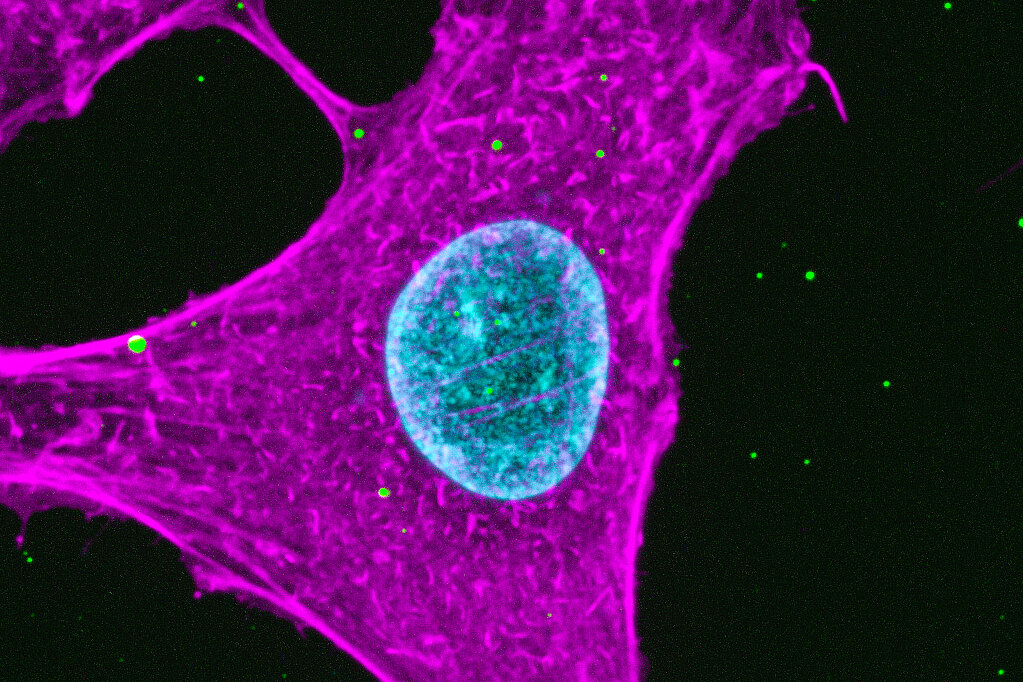
New broad-spectrum antiviral agents are considered an important contribution to pandemic preparedness. A project led by Alexander Titz, Professor of Organic and Pharmaceutical Chemistry at Saarland University (UdS), and Prof. Christian Sieben, research group leader at the Helmholtz Centre for Infection Research (HZI), aims to develop such active compounds to fill a gap in pandemic prevention. To achieve this, the two researchers intend to block a step that occurs at the very beginning of viral infection: the binding of viruses to sugar molecules on the cell surface. The Volkswagen Foundation is now funding the development of such inhibitors with almost one million euros.

Many viruses use cellular sugar molecules to bind to the cell surface and initiate infection. Since this step is common among various viruses, it can be exploited to develop broadly effective antiviral agents. The goal of the project led by chemist Alexander Titz and biologist Christian Sieben is to create an innovative platform for developing viral entry inhibitors—specifically targeting respiratory viruses and other viruses that pose a pandemic risk. These include, among others, influenza A viruses, SARS-CoV-2, and other zoonotic pathogens that can spill over from animals to humans.

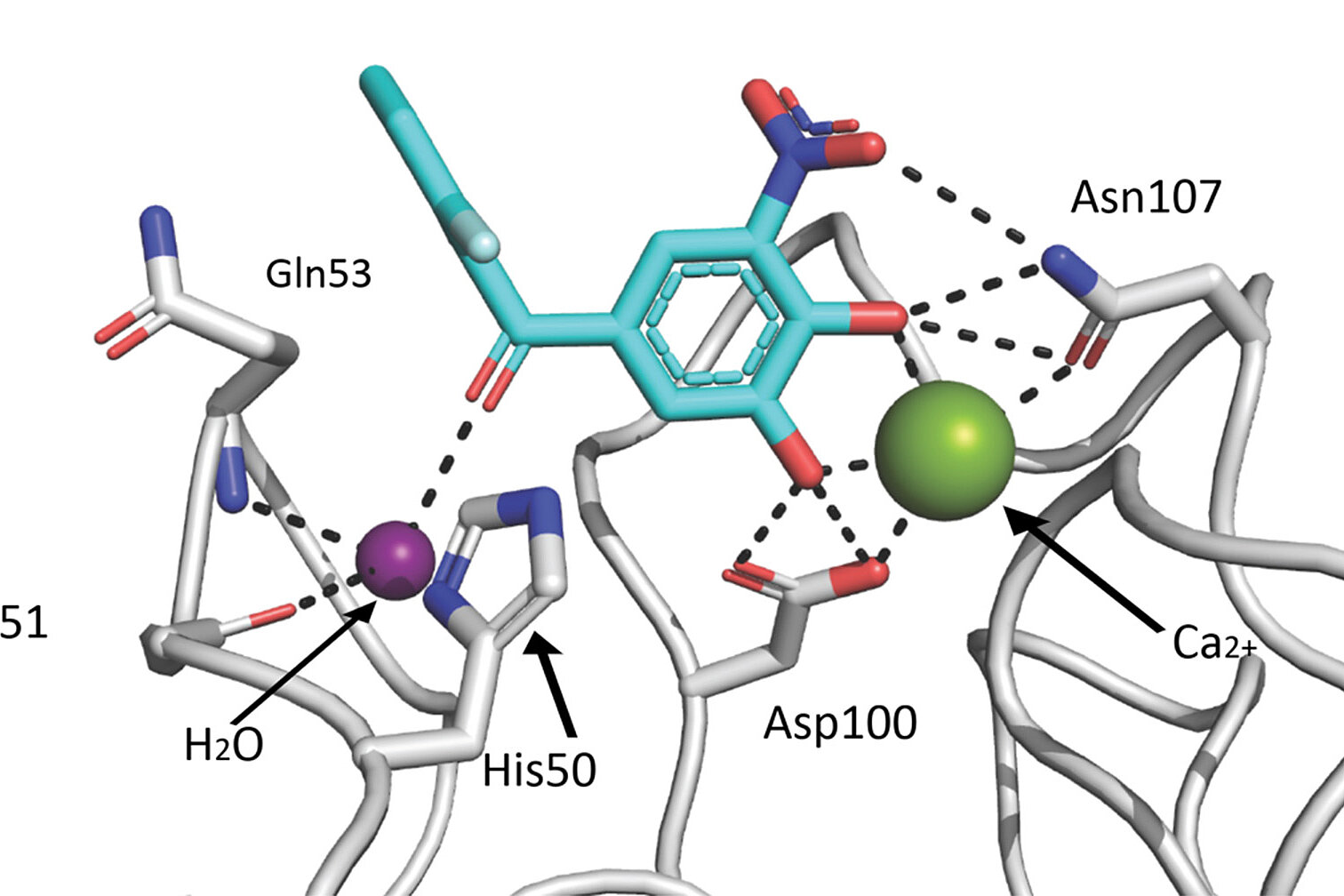
The researchers and their teams are pursuing an innovative strategy: They are designing molecules, known as sialomimetics, that mimic the natural sugar structures on the surface of human cells. This sugar coat, also called the glycocalyx, is crucial for the infection of many viruses. In particular, sialic acids on the cell surface serve as anchor points for influenza and coronaviruses to initiate infection. The researchers aim to specifically disrupt this binding by developing molecules that attach more effectively to the viral proteins than the natural sugar chains. This is intended to block the viral binding proteins and thus prevent cell binding and infection. During the initial funding period from the Volkswagen Foundation, they have already identified promising drug candidates, which they now intend to further optimize.
A key to protection against many viruses

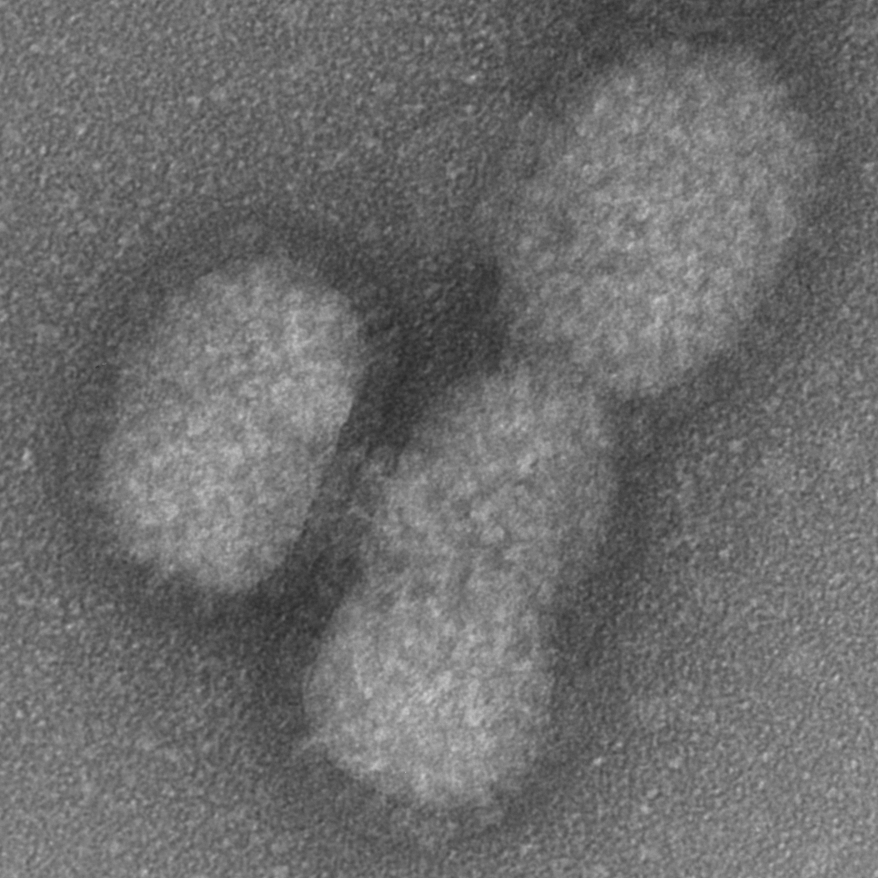
Black-white image of viral particles
Electron micrograph of influenza A viruses

“Specific drugs are currently available for only a few viruses. There is no such thing as a broad-spectrum antibiotic against viruses,” says Prof. Alexander Titz, who also leads a research group at the Helmholtz Institute for Pharmaceutical Research Saarland (HIPS), a site of the HZI in cooperation with UdS, and is a scientist at the German Center for Infection Research (DZIF). “We block the very first step of infection and we do so for many different viruses at the same time. This is the key to broadly effective therapies.”

“Thanks to renewed funding from the Volkswagen Foundation, we can take an important step forward in the development of new antiviral agents and also expand our understanding of the interaction between viruses and human cells,” says Prof. Christian Sieben, head of the junior research group “Nano Infection Biology” at the HZI. “Our goal is to create a drug-development platform that can be used not only against influenza and coronaviruses but also for future pandemics caused by as-yet-unknown viruses.”

Further information

Press release by the Volkswagen Foundation on the funding initiative “Innovative Approaches to Antiviral Drug Development” (in German)

[Translate to English:] Charlotte Schwenner

Press contact

Dr Charlotte Schwenner
Science Editor