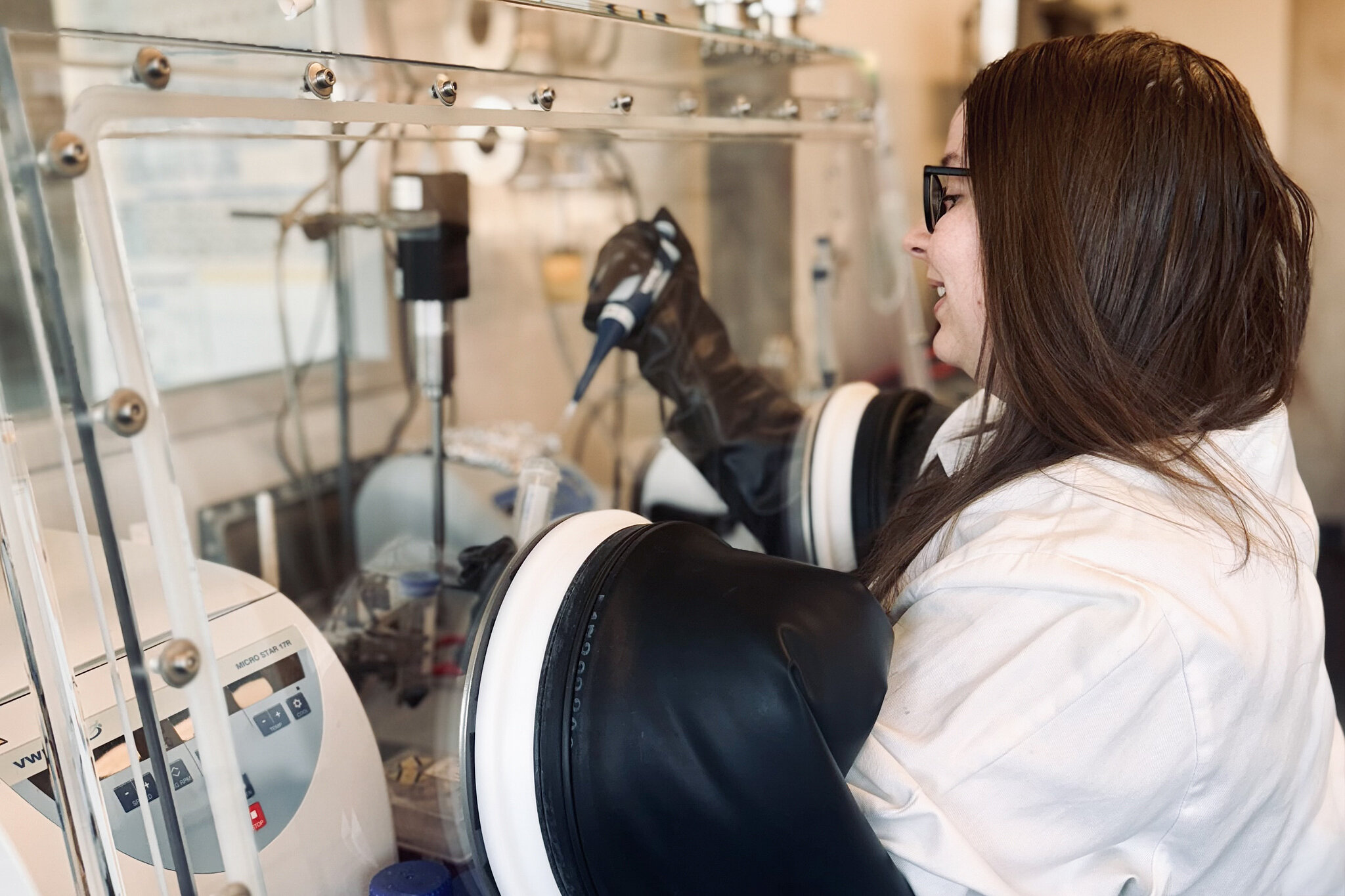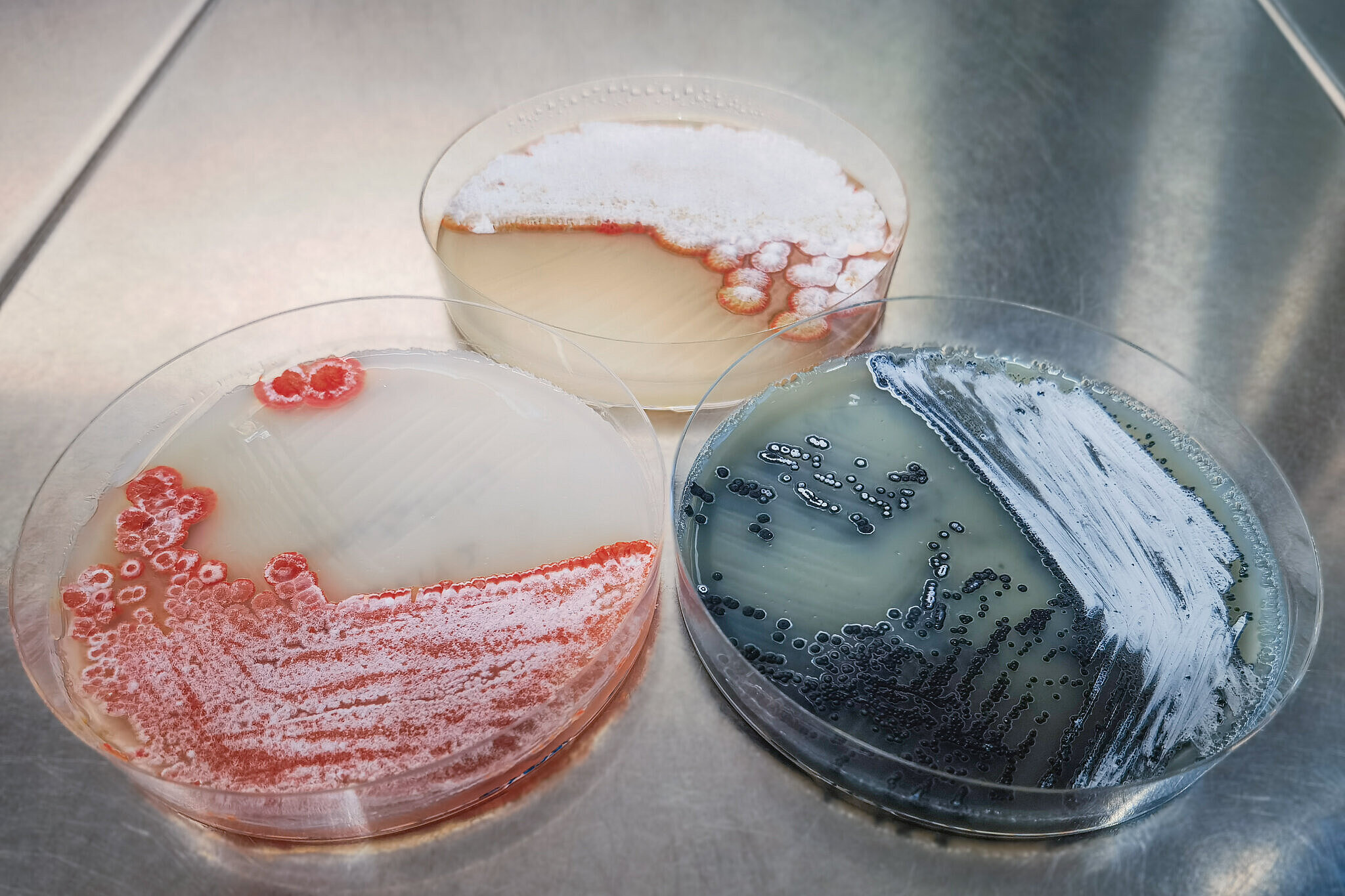
Microorganisms produce a wide variety of complex natural products, making them a promising source of molecules that can be used to develop new active compounds. Those that have received little attention offer a particularly high chance of identifying previously unknown candidate active ingredients. One such organism is the bacterium Crossiella cryophila, which was the focus of a recent study. The researchers cultivated this microorganism in the laboratory and systematically analyzed the natural products it produced. In doing so, they isolated a previously unknown class of substances, which they named crossiguanipyrazines. “With such little-studied organisms, you don't know what substances you will encounter in your search,” says Chengzhang Fu, head of the junior research group “Genome Mining for Secondary Metabolites” at HIPS and corresponding author of the study. “The fact that we found molecules with clear activity against the TB pathogen was a very pleasant surprise, but by no means a foregone conclusion.” HIPS is a site of the Helmholtz Centre for Infection Research (HZI) in collaboration with Saarland University.
From a chemical perspective, crossiguanipyrazines belong to the rare class of trialkylpyrazines, which has hardly been studied as an antibiotic to date. Using modern spectroscopic methods, the researchers determined the exact structure of these molecules. Further analyses showed how the bacterium assembles these molecules in nature. The crossiguanipyrazines are built from three arginine units, combined with an eight-carbon chain that originates from acetate. This way of constructing such molecules is highly unusual and had not previously been described for compounds of this type.
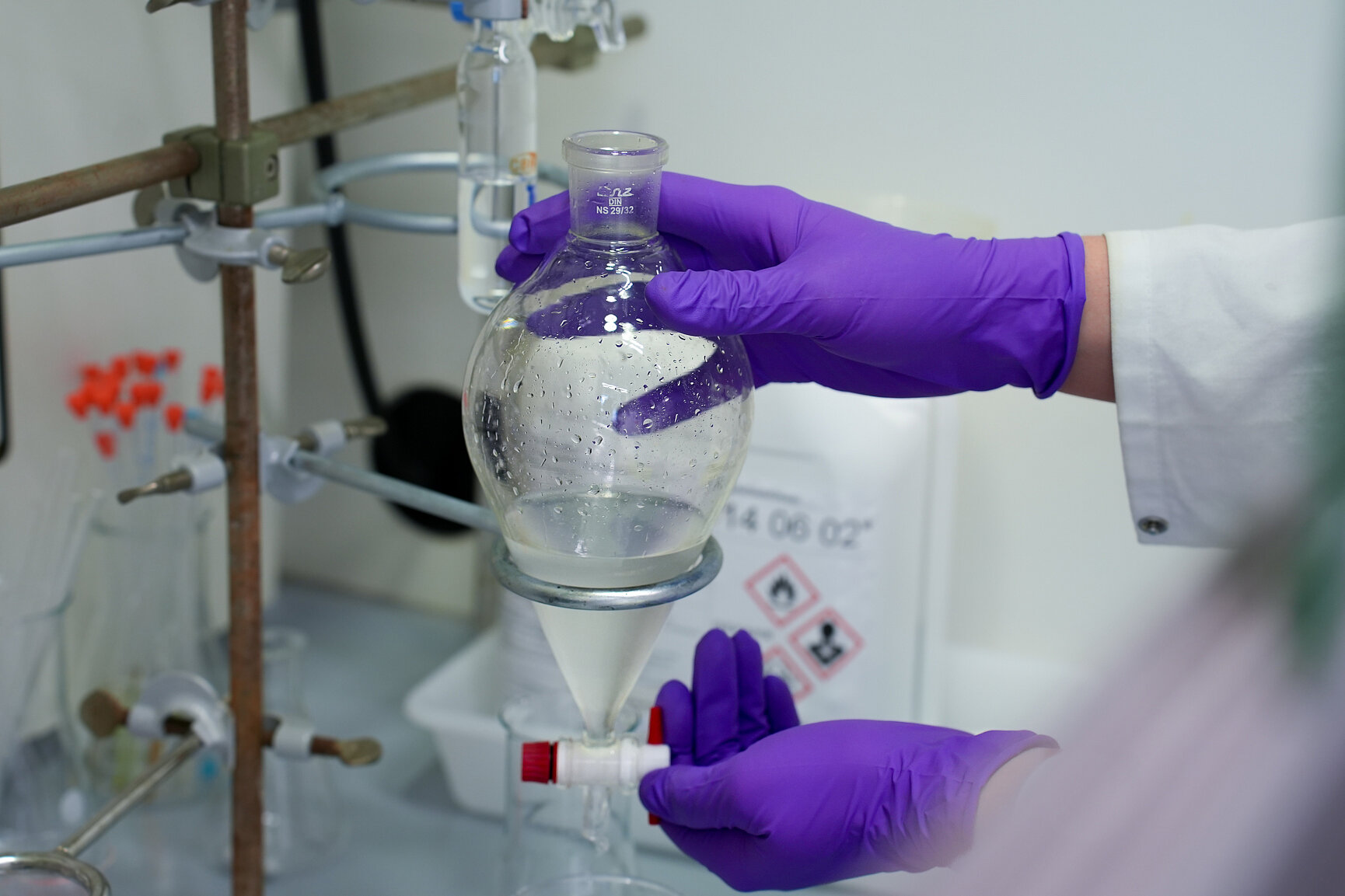
A key breakthrough in this study was the first successful, complete chemical synthesis of crossiguanipyrazine. The team produced the simpler derivative CGP I in 14 steps in the laboratory. This enabled the proposed structure to be confirmed beyond doubt and, most importantly, the substance class became fully accessible through synthesis for the first time, independently of the natural producer. “Total synthesis is crucial for verifying the structure of a natural product beyond doubt. In this case, we were able to confirm the actual structure of crossiguanipyrazines,” explains Uli Kazmaier, Professor of Organic Chemistry at Saarland University, whose group carried out the synthesis.
Biological tests showed that several synthetic crossiguanipyrazine derivatives exhibit strong activity against M. tuberculosis, including the highly virulent Erdman strain. At the same time, some variants proved non-toxic to human liver cells, even at high concentrations. “Many natural products fail early on because they are either too weak or have undesirable side effects,” says Fu. “The fact that we are seeing both good activity against TB and good tolerability makes this class of substances particularly exciting for further development.”
The team is currently working to elucidate the molecular mechanism of action of crossiguanipyrazines, while also seeking to gain a better understanding of the natural biosynthesis of this compound class in Crossiella cryophila. At the same time, the team is using chemical and biotechnological approaches to generate further variants in order to optimize the structure and activity of the substance in a targeted manner. In the long term, this work could be much more than the discovery of a single natural product. It could lay the foundation for a new class of active compounds in the fight against tuberculosis, demonstrating the potential of microorganisms that have not yet been extensively researched.