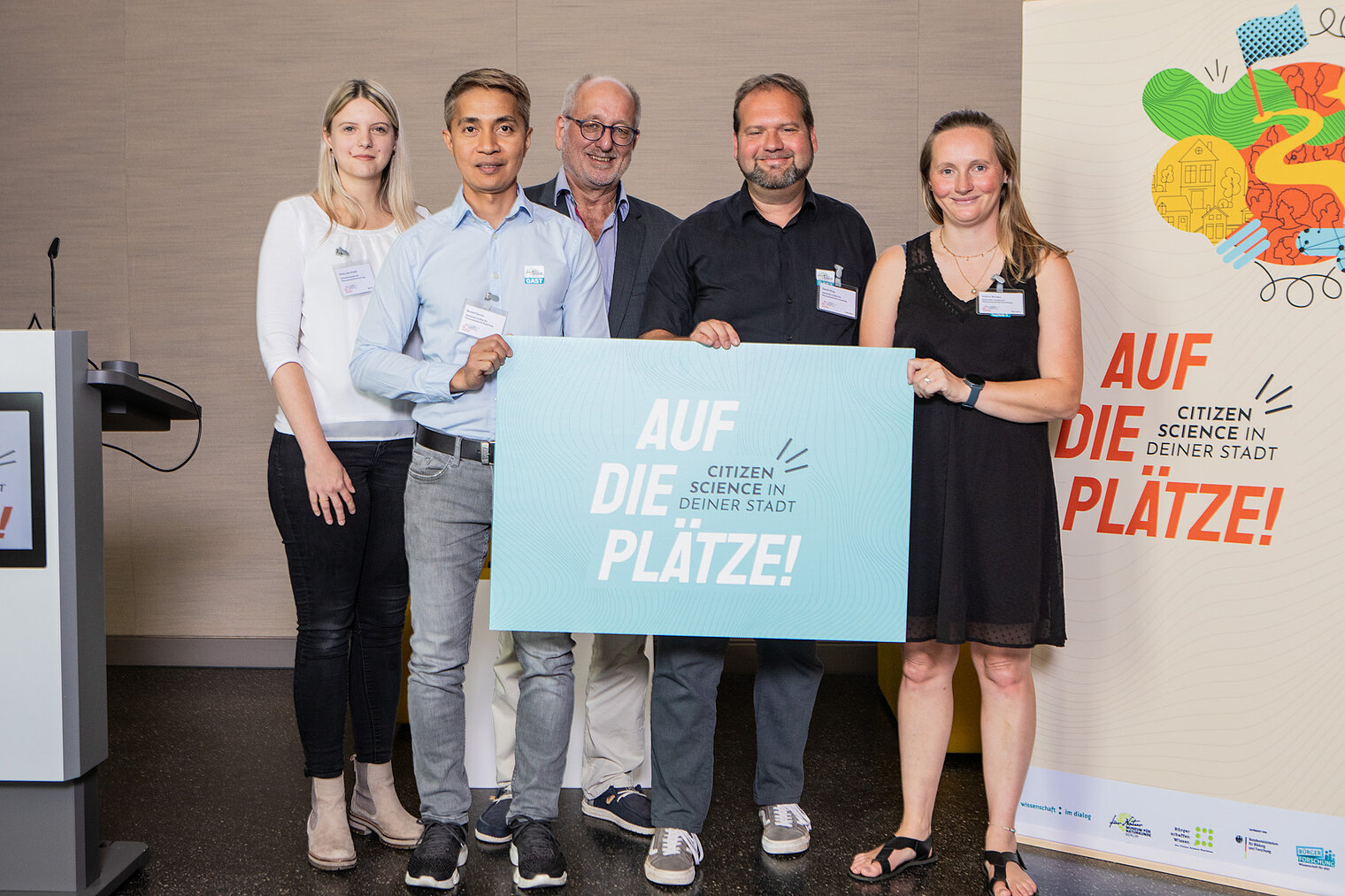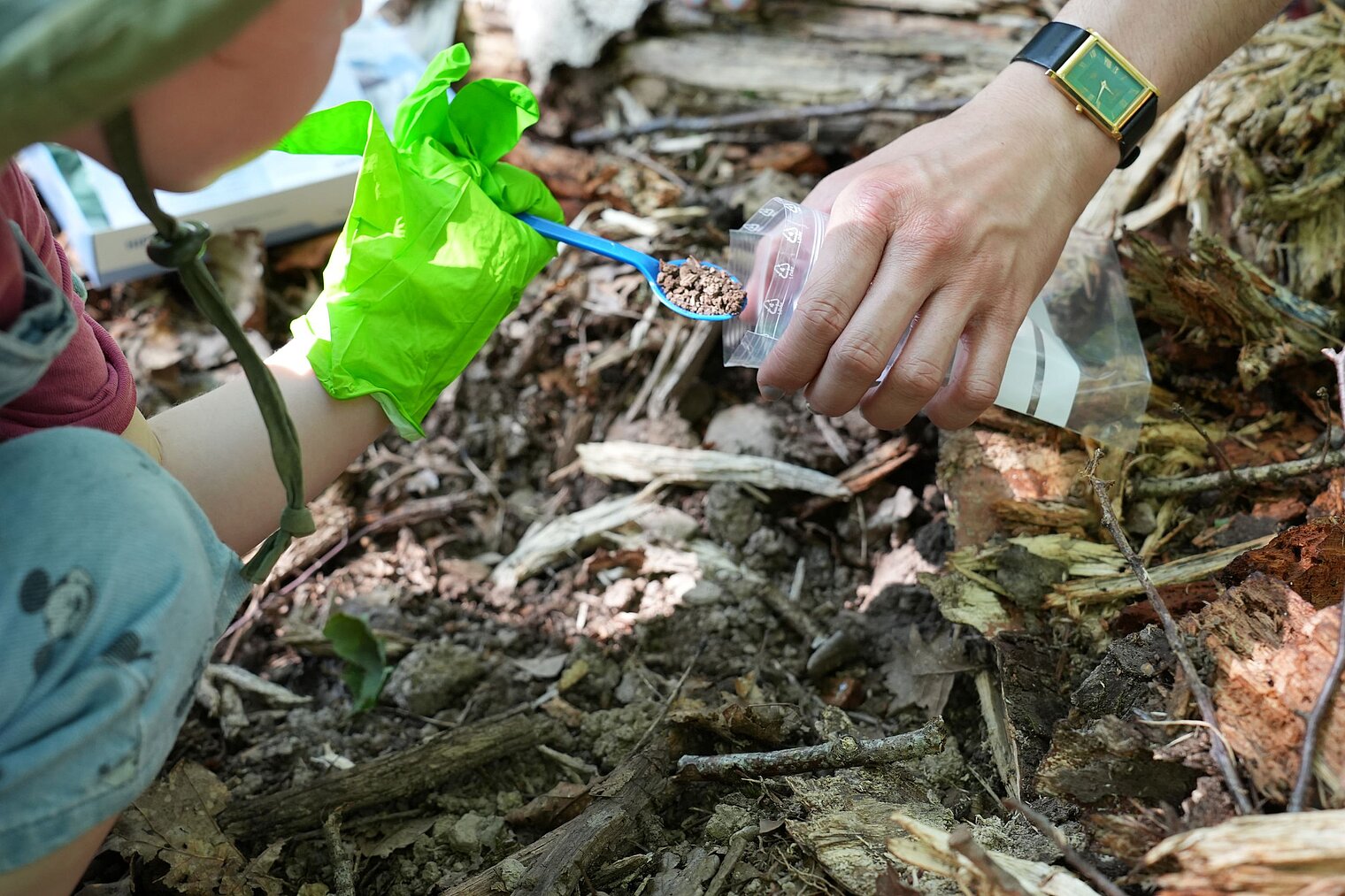
Collecting samples at MICROBELIX Wilderness Camp.
Story

MICROBELIX: The soil as a microbial treasure trove

There is an urgent need for novel drugs in the fight against infectious diseases, and natural compounds derived from soil bacteria are a promising source for their development. Researchers at HIPS, the HZI site in Saarland, are counting on the public’s help: The citizen science project MICROBELIX aims to harness the biodiversity of soil bacteria for drug discovery.

The increasing resistance of pathogenic bacteria to known antibiotics is an urgent problem—there are increasingly frequent reports of multidrug-resistant pathogens against which even reserve antibiotics are ineffective. At the Helmholtz Institute for Pharmaceutical Research Saarland (HIPS), an HZI site in cooperation with Saarland University, scientists are using myxobacteria as a source of new active compounds.

These soil-dwelling bacteria have, so to speak, a long history at the HZI, as it was the two Braunschweig-based scientists Prof. Hans Reichenbach and Prof. Gerhard Höfle who, through their decades of work, laid the foundation for an extensive global collection of myxobacteria. This collection is still used today as a rich source of new active compounds with interesting chemical structures and often extremely potent biological activities. This microbial treasure trove has since grown to more than 14,000 myxobacterial strains, and in the HIPS department “Microbial Natural Products,” led by Prof. Rolf Müller, researchers are working intensively to unlock as many of the myxobacteria’s chemical secrets as possible. After all, every newly discovered substance brings with it the hope of having found a molecule that might be suitable for further development into a pharmaceutical active compound.
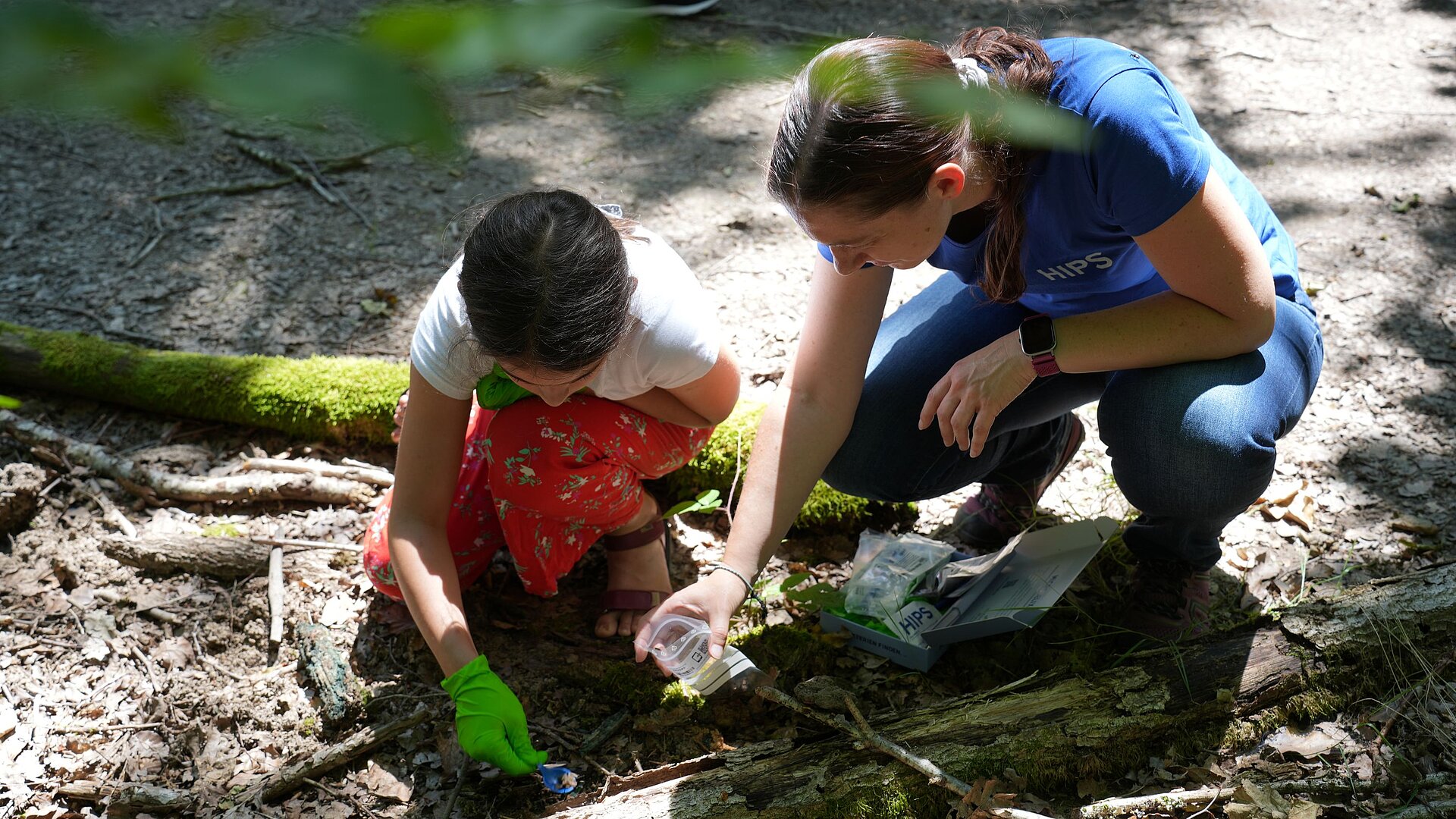
Collecting samples at MICROBELIX Wilderness Camp.

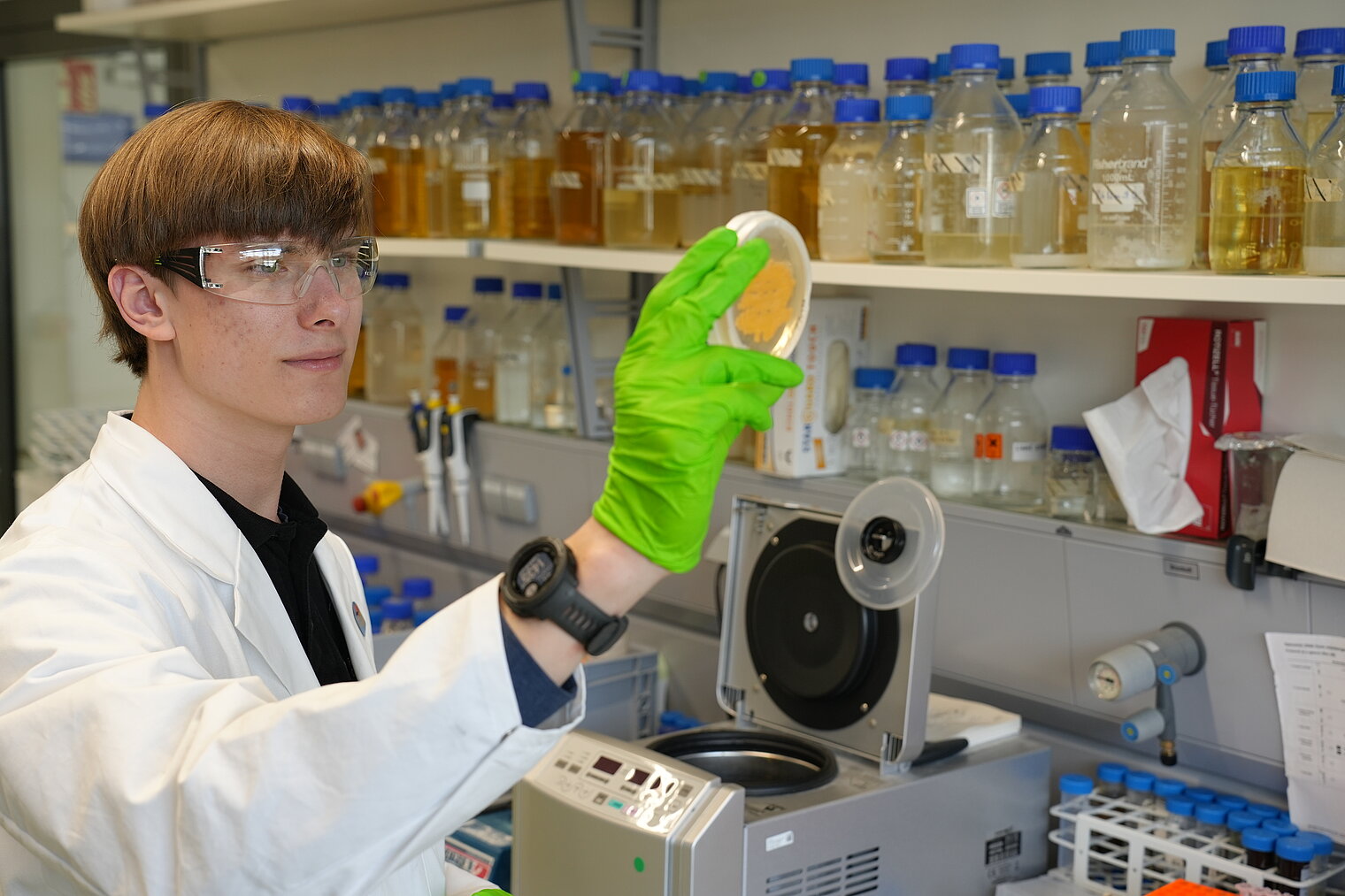
Anyone taking a walk in Saarbrücken’s primeval forest just outside the city at the start of summer will come across a surprising scene: children and adults are intently working at microscopes and handling freshly collected soil samples, which they spread onto agar plates—along with a dab of yeast to lure the ever-hungry myxobacteria out of the soil sample. Here, at the MICROBELIX Wilderness Camp, microbiologist Dr. Ronald Garcia from HIPS supports the citizen scientists’ search for new bacterial species and explains: “The soil samples collected by the citizen scientists are of great value for the discovery of new myxobacteria, because we are convinced that virtually every habitat harbors a microbial community with considerable diversity.” Some of the methods used at the Wilderness Camp are applied in much the same way by researchers in the HIPS laboratory, supplemented by modern genetic and mass spectrometric analyses to ensure that no interesting novel soil bacterium is overlooked. “Ultimately, the key to success lies in the isolation methods,” says Garcia. “We use a highly selective approach to isolate natural product-producing myxobacteria, and they’re quite good at defending themselves against other bacteria. Occasional contamination with common germs therefore doesn’t affect our chances of success.”

From the MICROBELIX soil samples—some of which were even sent in by mail—Ronald Garcia and his colleagues have already isolated over 1,100 new myxobacteria, including strains that, due to their low degree of relatedness to known species, belong to a new genus or even a new family. “That is exactly what matters: finding new and rare taxonomic groups of myxobacteria. These are more likely to produce an active compound with a chemical structure that is still unknown,” explains Garcia.

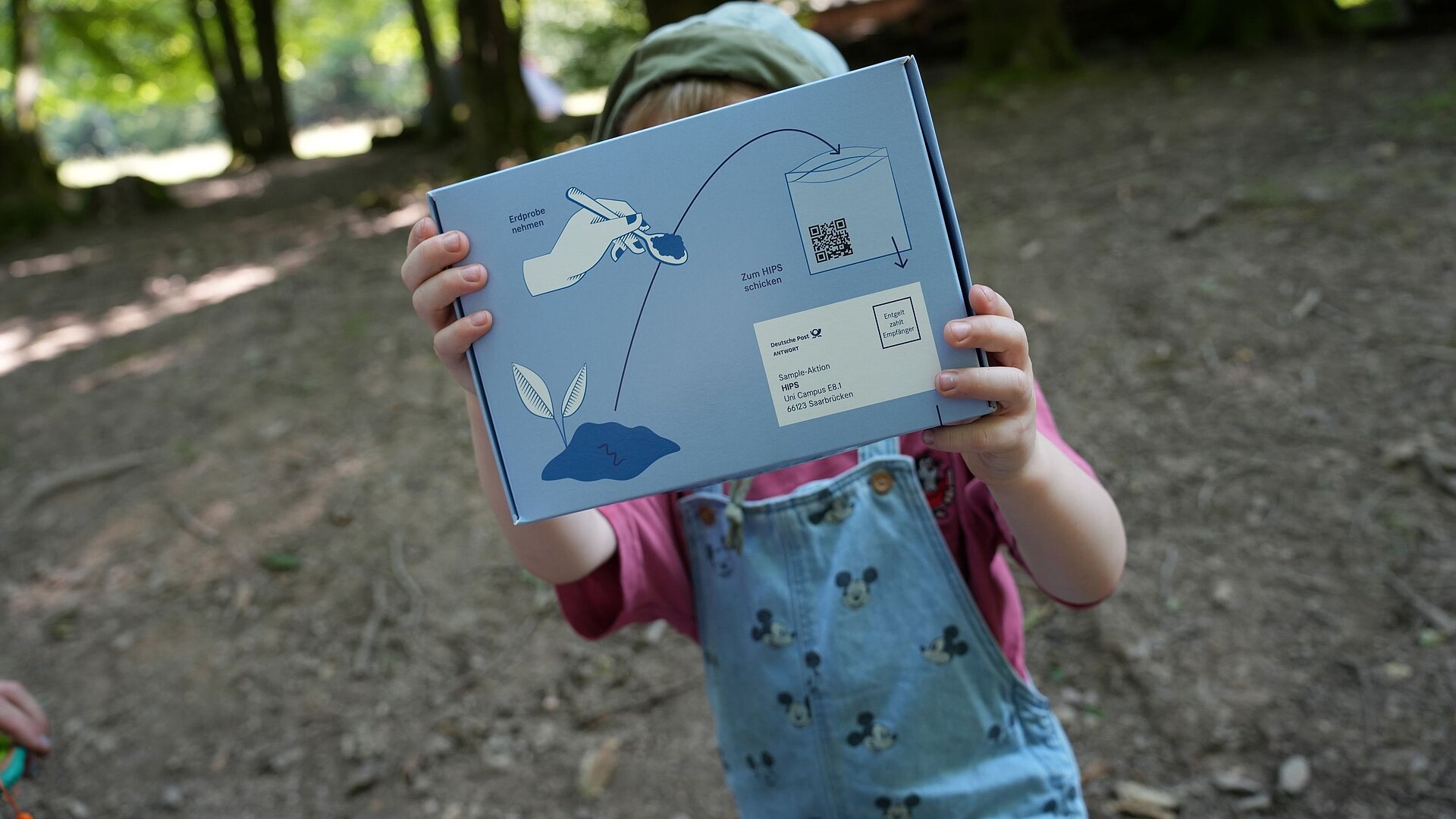
The sample collection kit goes back to HIPS by mail with the collected soil samples.

Soil samples are being collected not only in the forests of Saarland; citizen scientists participating in the MICROBELIX project are now active across the country. To facilitate this, HIPS researchers have created sample collection kits, with blue plastic spoons in sterile plastic bags as the key component, and printed codes that allow the samples to be registered on the website. The kit also includes a return envelope, an informational flyer on sampling, and a mini magnifying glass. So far, HIPS has distributed several thousand of these sample kits; interested persons can request them on the website. There, a map shows in real time where samples have already been collected.

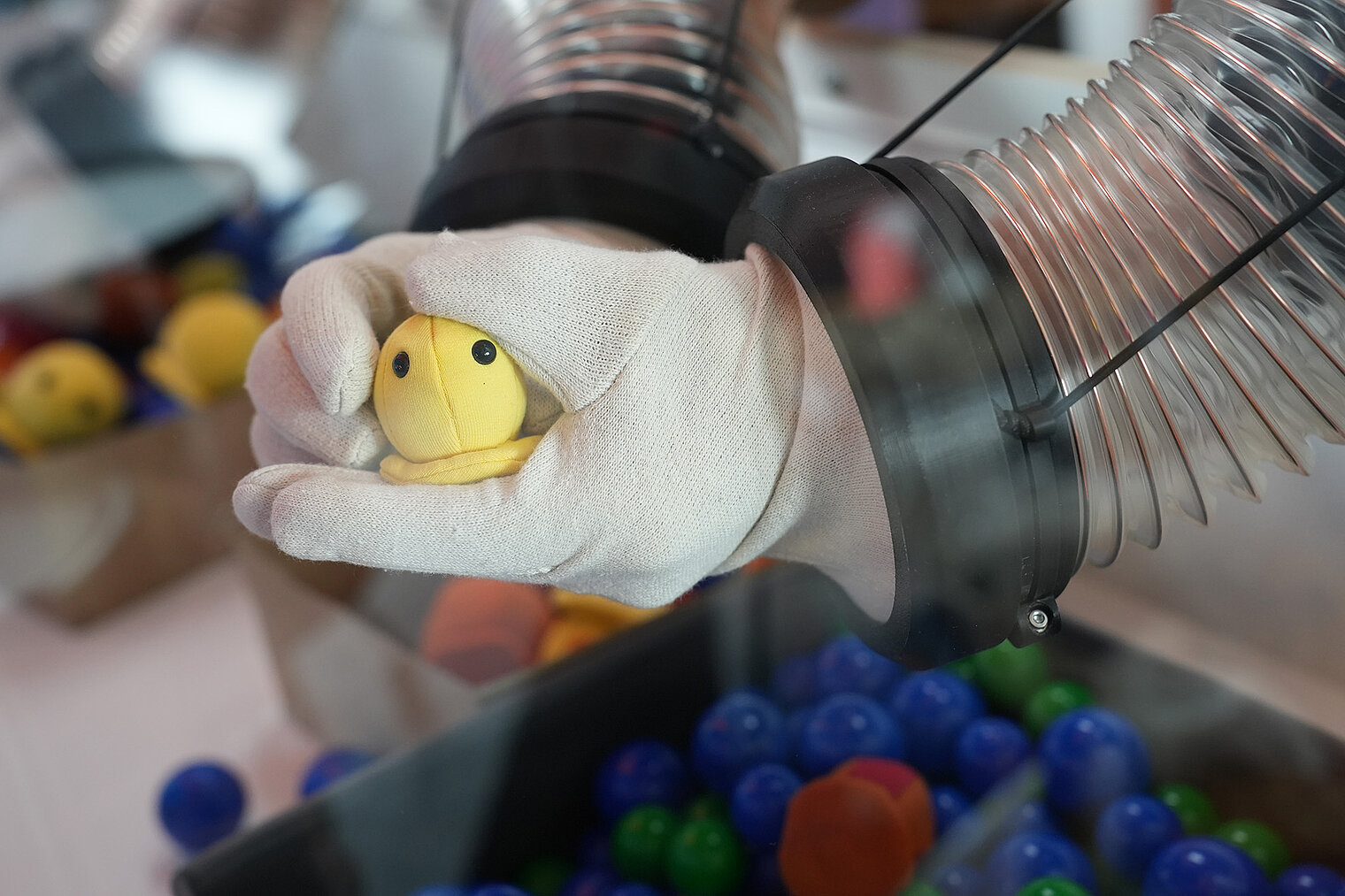
In the summer of 2026, MICROBELIX will also be traveling across Germany aboard the “MS Wissenschaft.” In the “Medicine of the Future” exhibition, guests can use the “Myx-o-Mat 3000” to playfully try their hand at finding myxobacteria that produce a new active ingredient against selected pathogens—and then set out as citizen scientists with the sample collection kit to actually support the search for new active compounds at HIPS and HZI with a soil sample.

Text: Daniel Krug

Further information
  • Would you like to collect and send in soil samples? You can order a sample collection kit here.
  • Tour schedule of MS Wissenschaft 2026
Portrait Andreas Fischer

Press contact

Dr Andreas Fischer
Science Editor