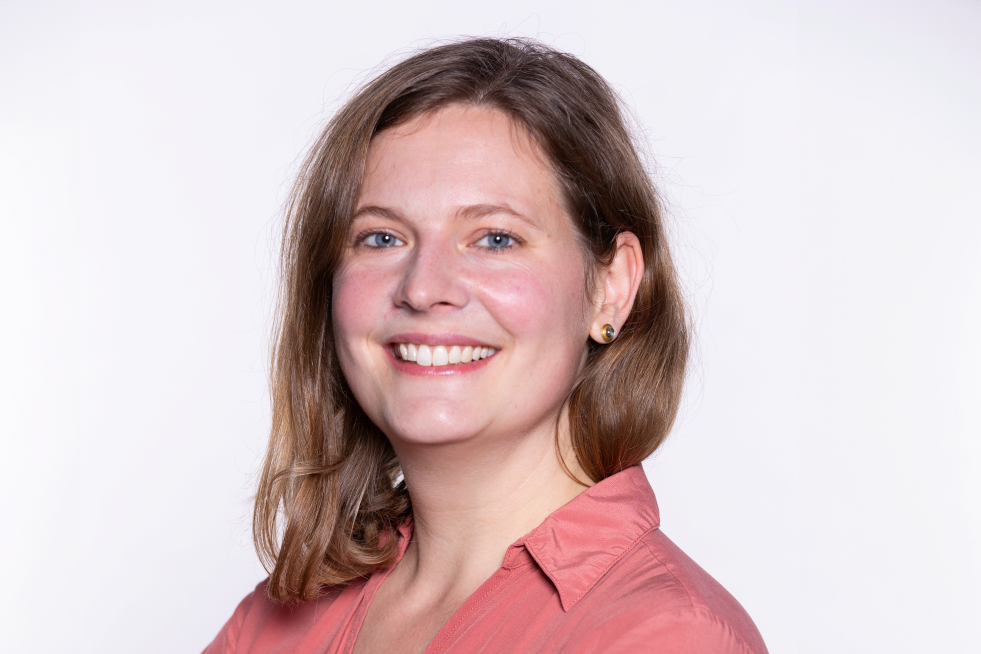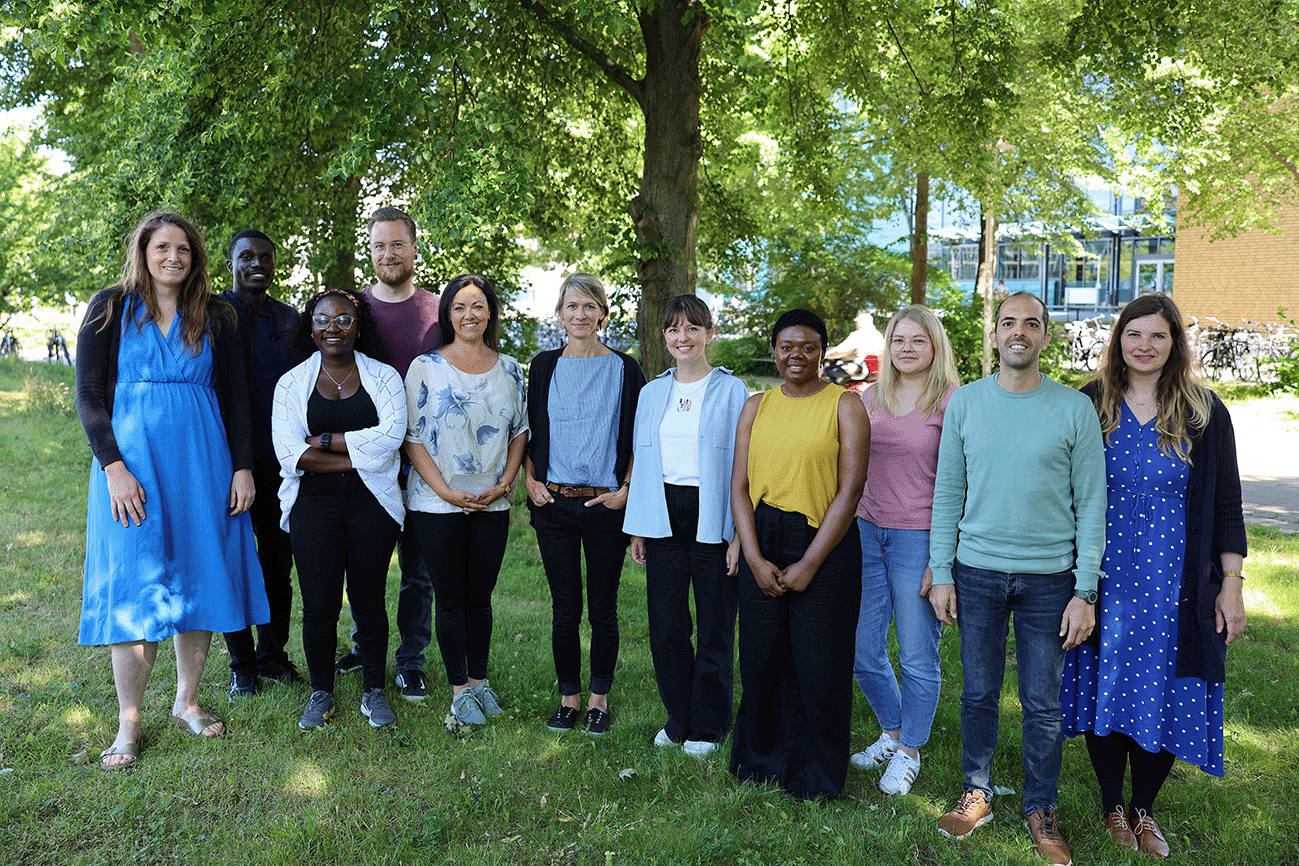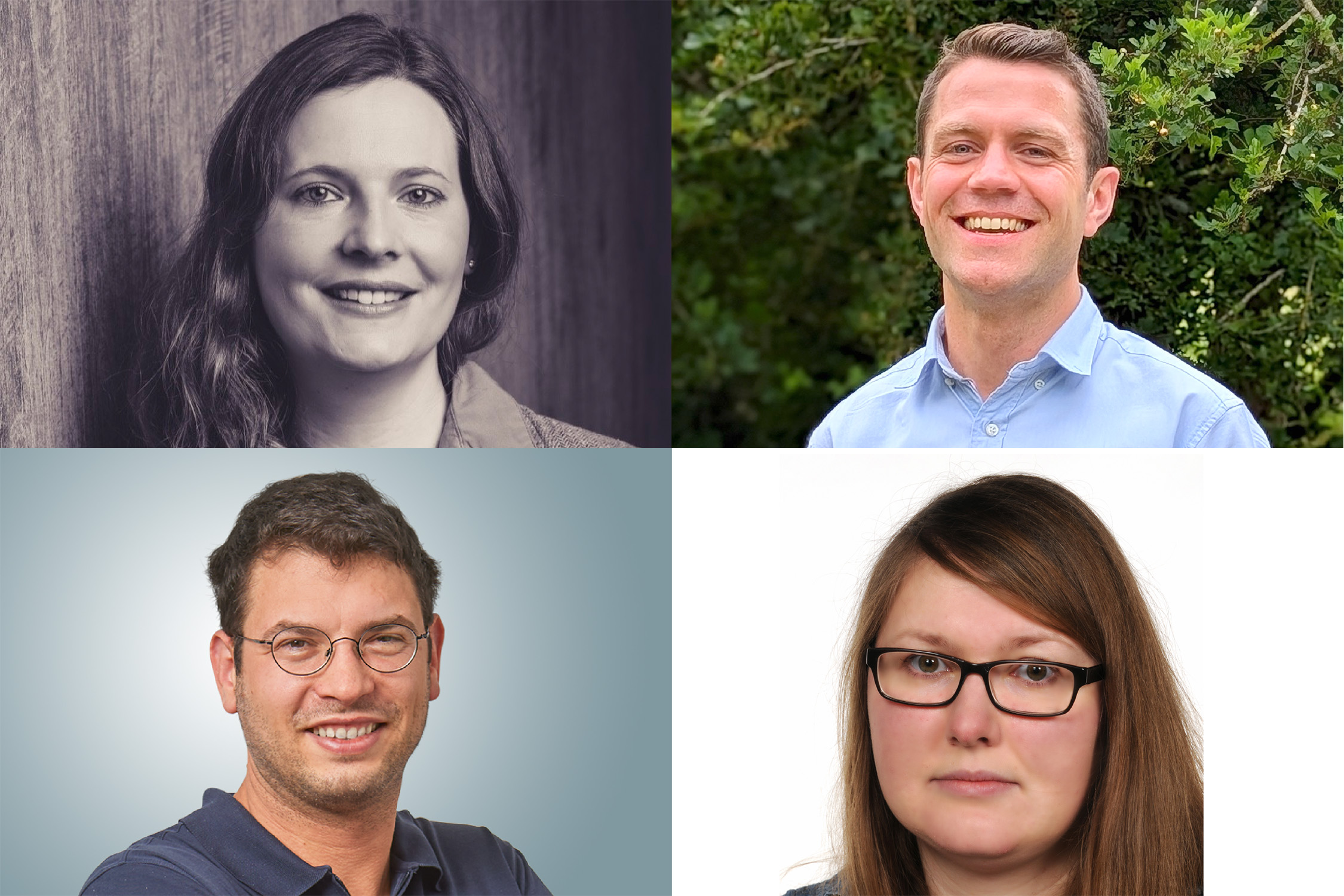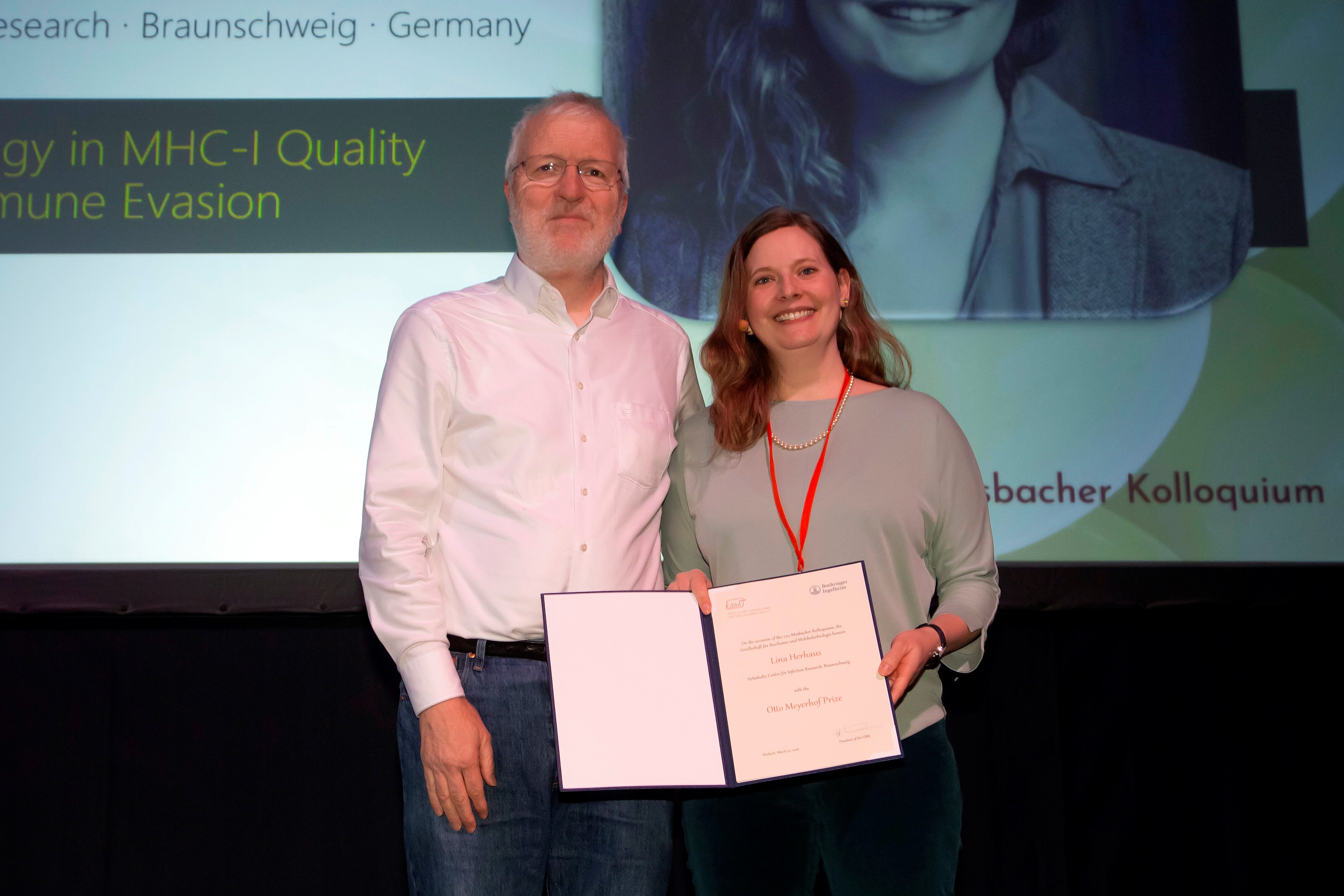
Dr. Lina Herhaus is head of the research group “Immune Signaling” research group within the MICROSTAR program at the Helmholtz Centre for Infection Research (HZI) and a tenure-track W1 professor at Hannover Medical School (MHH). After completing her PhD in biochemistry at the University of Dundee (UK), her scientific direction was particularly shaped by her postdoctoral work as an EMBO Long-Term Fellow in Frankfurt in the laboratory of Prof. Ivan Dikic, as well as by establishing her own research team, focusing on the interface between cell biology, infection, and immune regulation.
In her research, Lina Herhaus links selective degradation pathways (autophagy) with spatially organized signaling at subcellular compartments, particularly at sites where cells respond to infection and stress. A central focus is the coupling of autophagy, immune signaling, and membrane trafficking, and how this axis influences immune homeostasis, pathogen defense, and tumor biology.
A major milestone was the identification of IRGQ as a novel autophagy receptor that connects MHC-I quality control, antigen presentation, and lysosomal transport. In a Cell publication (2024), her team demonstrated that this mechanism can be exploited by cells to evade immune surveillance, with far-reaching implications for cancer biology.
Currently, her group is expanding these concepts to membrane contact sites and vesicular trafficking as “control hubs” of immune regulation. This includes imaging-based screens and functional genomics approaches to identify host factors that regulate organelle dynamics and interactions with intracellular pathogens, providing a basis for host-directed therapies aimed at strengthening immune resilience.
Lina Herhaus’ research is distinguished by a novel perspective on immunity as a spatially organized system: not only the molecules involved, but their coordinated interaction in space and time at organelles and contact sites determines successful defense or immune evasion. Her goal is to decipher these principles to enable the development of innovative, precise approaches for the treatment of infections and immune dysregulation.
![[Translate to English:] Charlotte Schwenner](/fileadmin/_processed_/6/9/csm_Charlotte_Schwenner_7952cfe0a7.webp "Dr Charlotte Schwenner")