The research program HUMAN (Human Microbe Alliance for Universal Health) aims to decipher the interaction between humans and microorganisms in order to improve the diagnosis, prevention and treatment of infectious diseases in the long term. Every person is exposed to a multitude of very individual influences throughout their life that affect their current and future health and susceptibility to infectious diseases. In addition, age, lifestyle, genetic, epigenetic and social factors, the individual immune system and medication taken all influence the interaction with microbes.
© HZI/Marek Kruszewski
News
HUMAN research project: Six new junior research groups launched at the HZI
© HZI/Marek Kruszewski
Lower Saxony's Science Minister Falko Mohrs: “HUMAN shows: Lower Saxony not only enables cutting-edge research, but actively shapes it. The largest individual funding from zukunft.niedersachsen makes a significant contribution to bringing outstanding expertise to the state with international young researchers and to sustainably strengthening our innovative power in infection research. In this way, biomedical developments and technological breakthroughs are transferred more quickly from research to the healthcare system. This benefits people in Lower Saxony and far beyond: HUMAN creates new knowledge that helps to detect infectious diseases earlier, treat them more efficiently and with fewer side effects and make our healthcare more resilient.”
“With HUMAN, we want to unravel the complex alliance between humans and microbes in order to better understand acute infectious diseases, but also infection-related chronic diseases and thus human health as a whole,” says Josef Penninger, Scientific Director of the HZI. “The strong support from both the state and the federal government reflects the high level of confidence in the scientific strategy of the HZI and in our ability to achieve sustainable progress in infection research and to strengthen scientific excellence in Lower Saxony and Germany. We are therefore very grateful for this support to help shape the next generation of scientific stars.”
HUMAN creates new knowledge that helps to detect infectious diseases earlier, treat them more efficiently and with fewer side effects and make our healthcare more resilient.
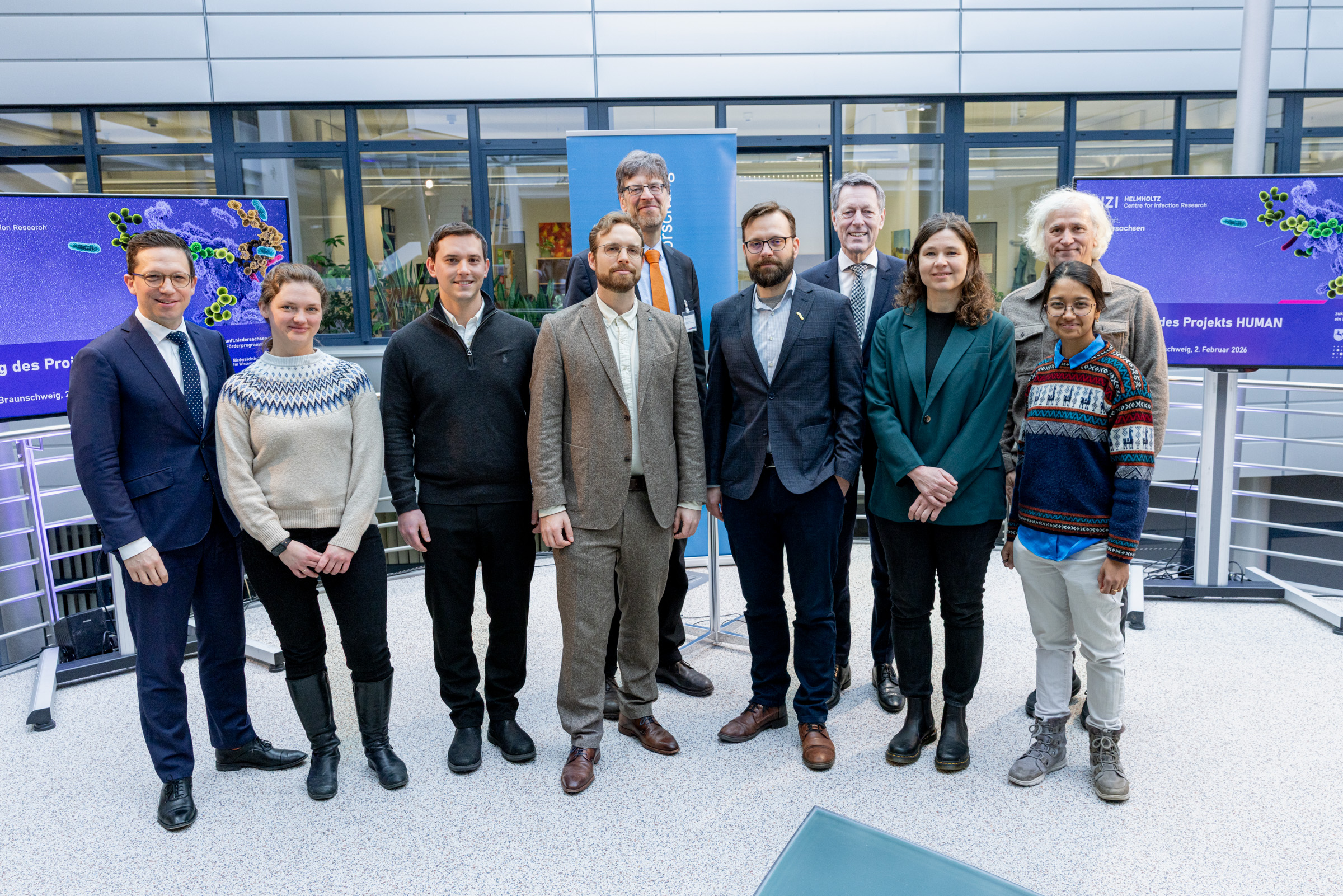
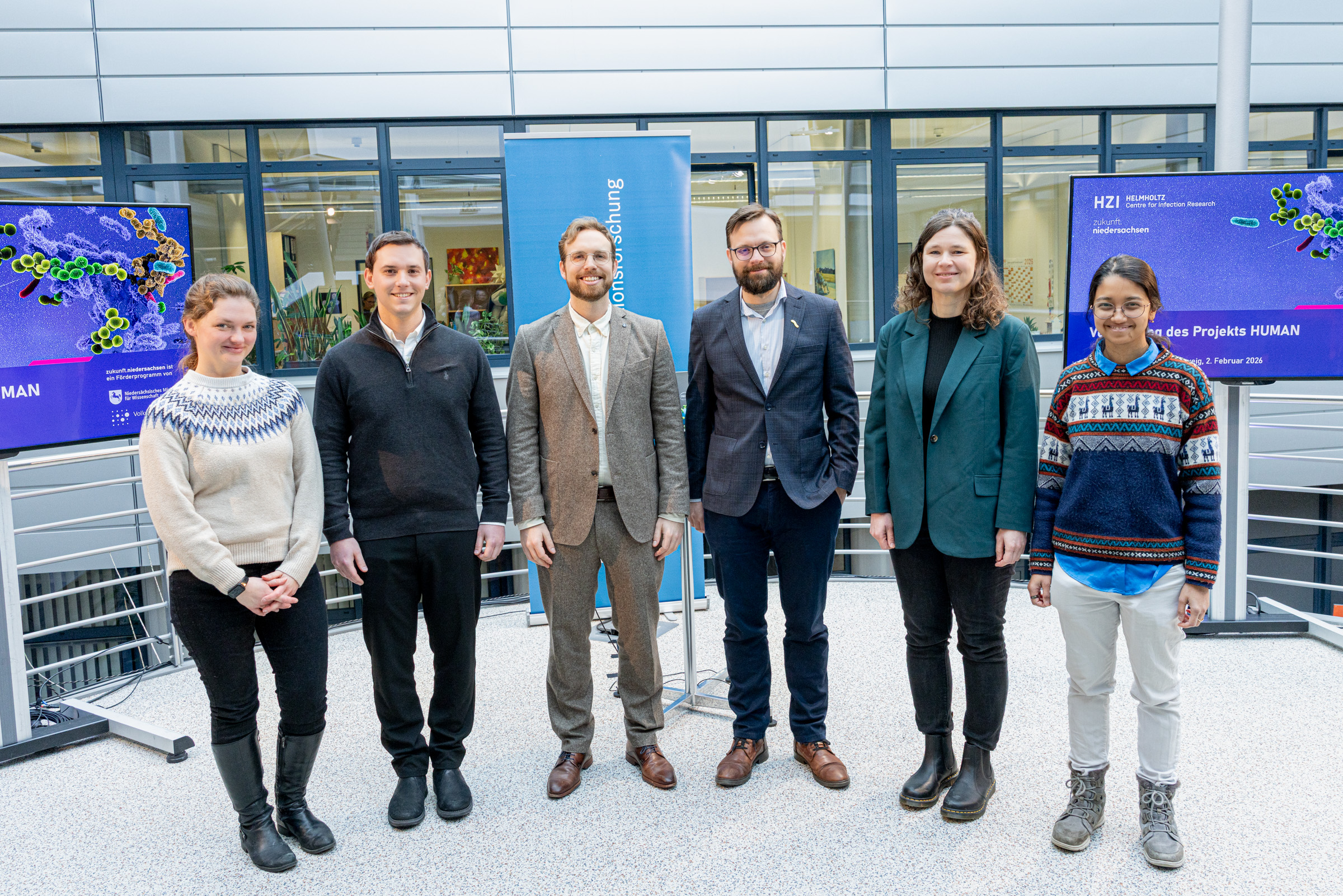
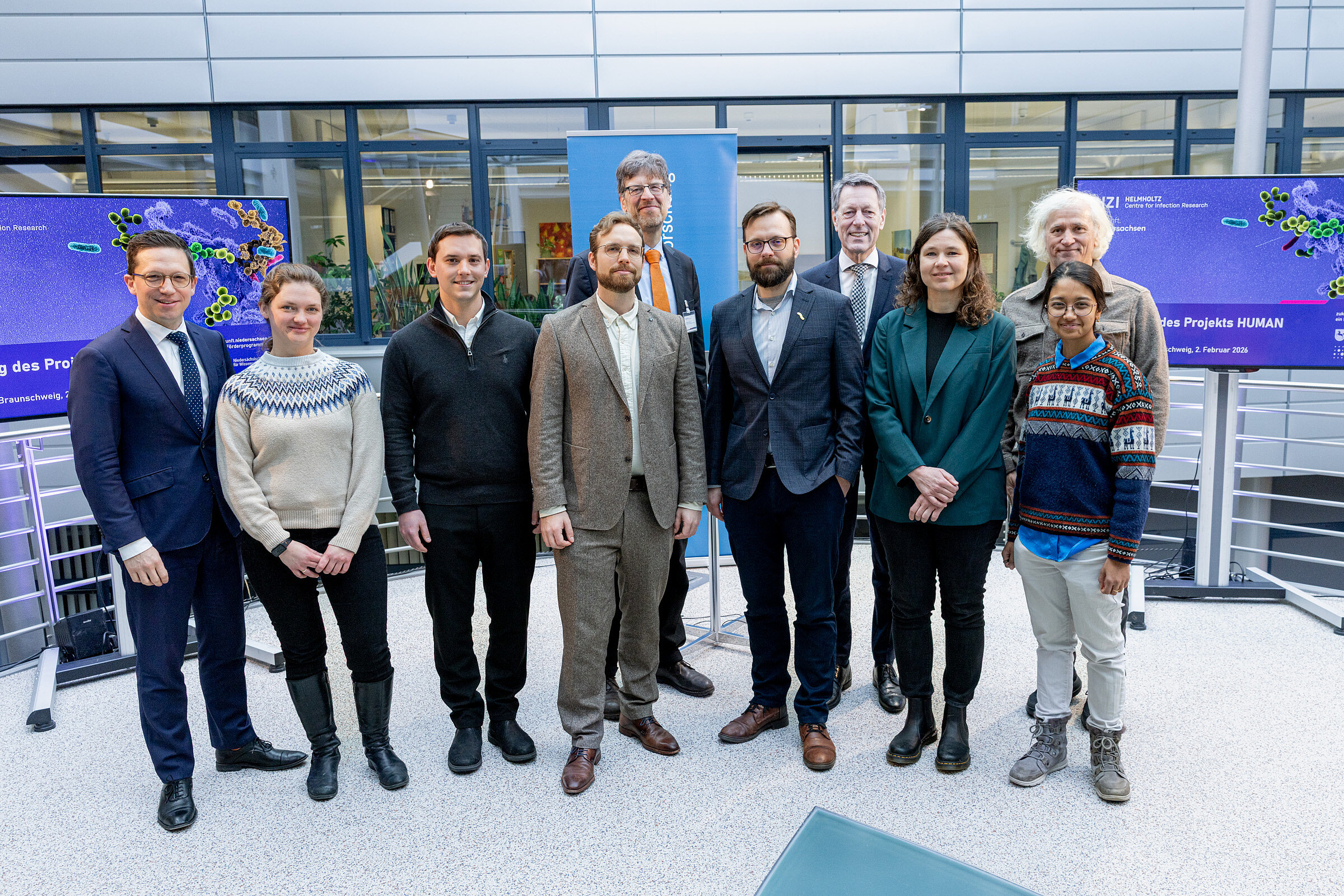
Since the launch of the first HUMAN Young Investigator Group in May 2025, the HZI has so far been able to establish five further research groups and recruit internationally outstanding researchers to lead them. In addition, programs for researching physicians have been integrated. The research topics of the new junior research groups range from vaccine development and pandemic prevention through zoonosis research to research into chronic pain associated with infections.
“In the program zukunft.niedersachsen, the project HUMAN is the largest single funding to date. MWK and the Foundation are jointly establishing a beacon for research with national and international visibility - and a direct benefit for society,” says Dr. Georg Schütte, CEO of the Volkswagen Foundation.
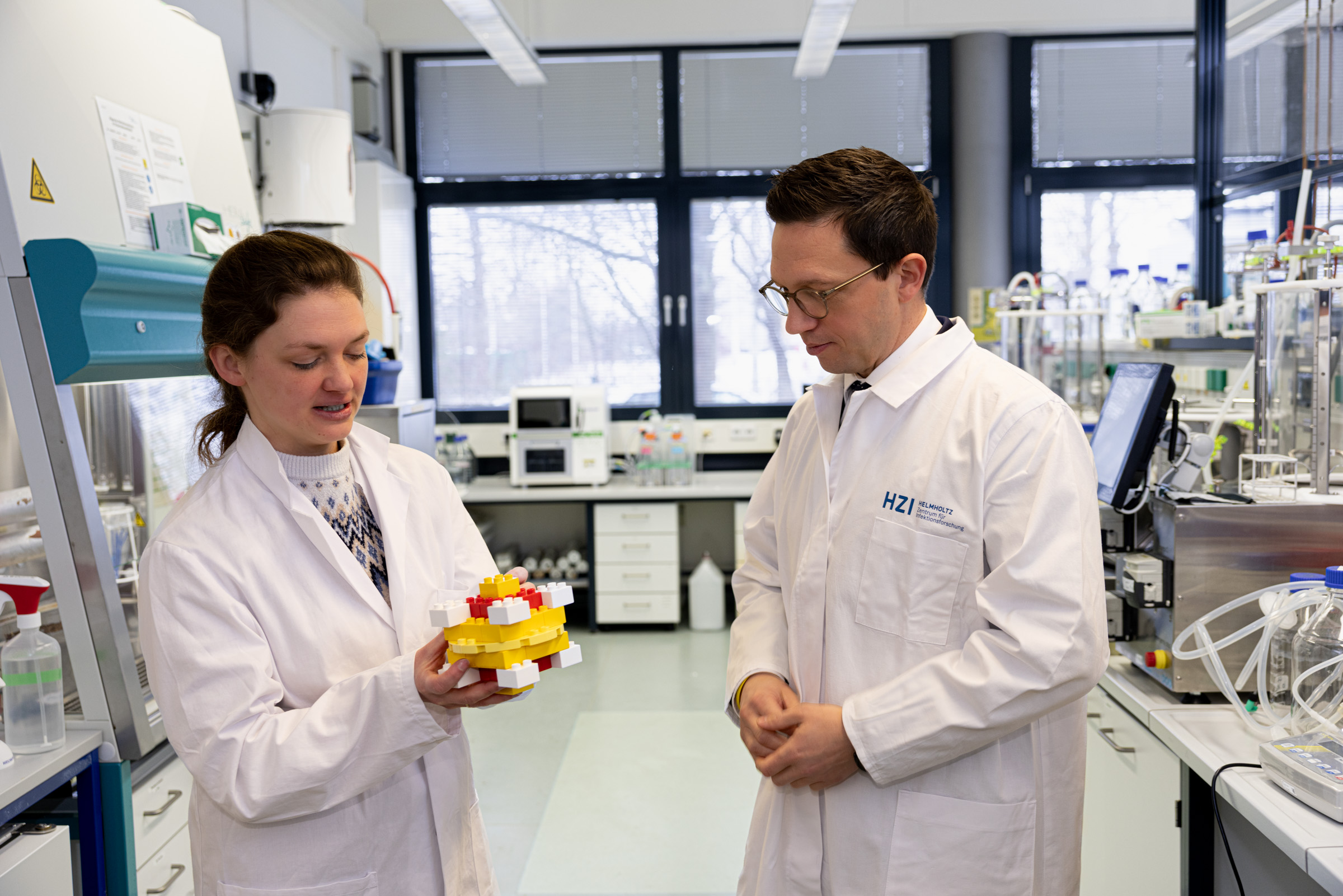
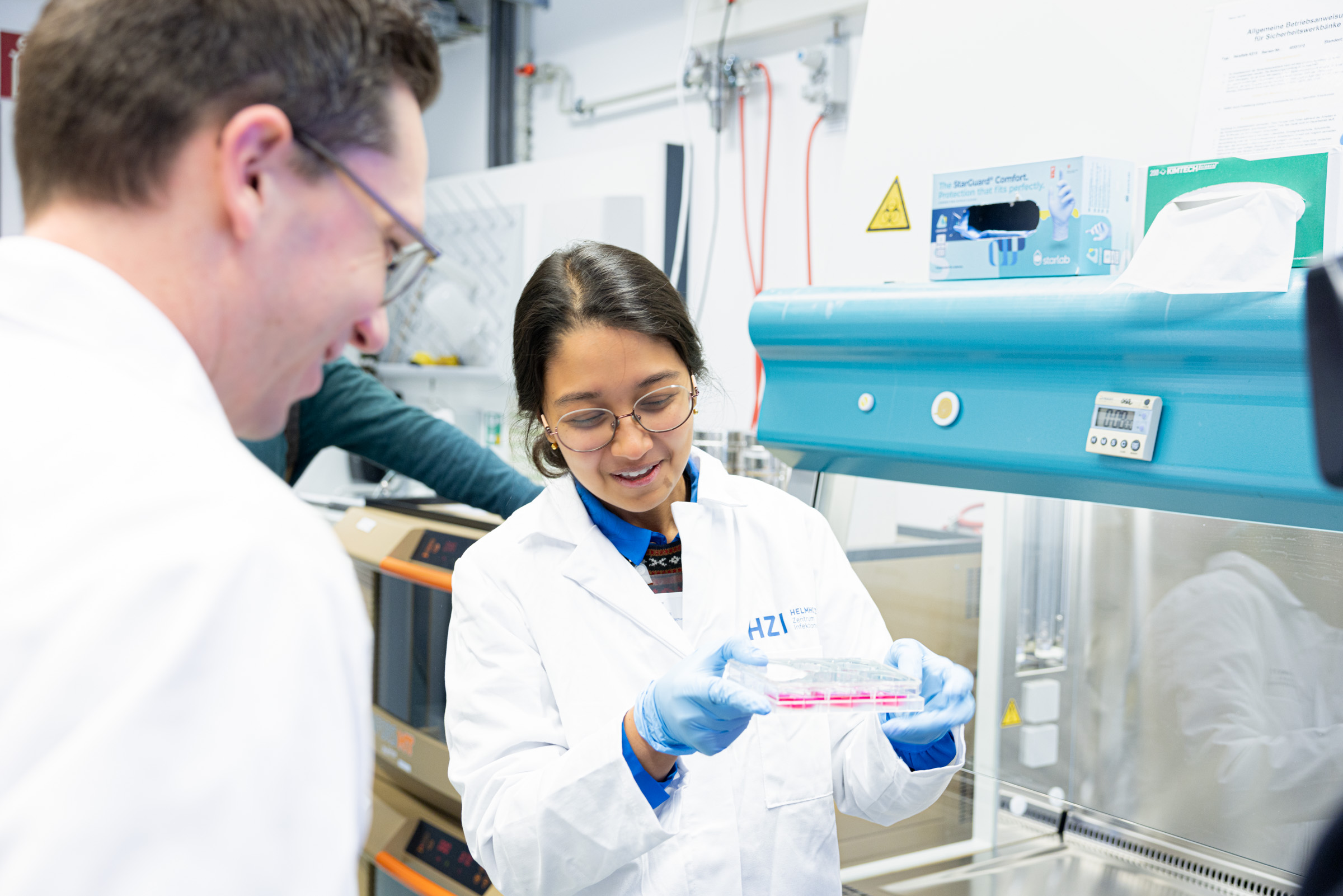
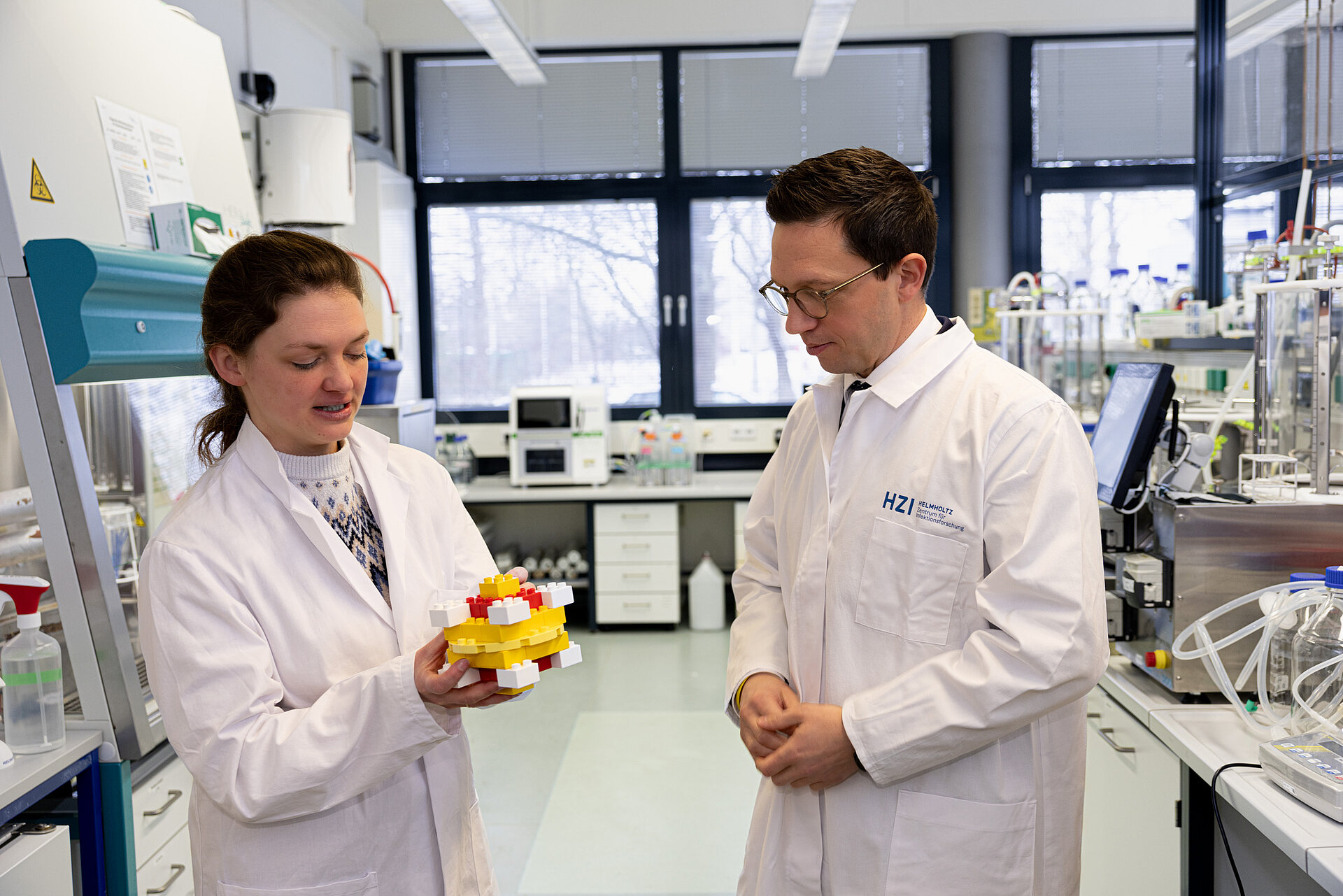
“The HZI is a special melting pot of infection research with great facilities,” says Dr. Maren Schubert, who heads the junior research group “Virus-like-particle based technologies” in the HUMAN project. “The many new junior research groups in HUMAN result in numerous symbioses in research. We have the freedom to implement very creative research approaches and to try out unconventional ideas.”
In the current year, the HZI is advertising further research positions within HUMAN in order to expand the areas of basic and applied infection research and artificial intelligence. The start of another junior research group in fall 2026 has already been confirmed.
About the HUMAN group leaders
About the funding
“zukunft.niedersachsen” is the joint science funding program of the Lower Saxony Ministry of Science and Culture (MWK) and the Volkswagen Foundation.
Further information on HUMAN
- About the HUMAN research program
- Digital press kit to the press event