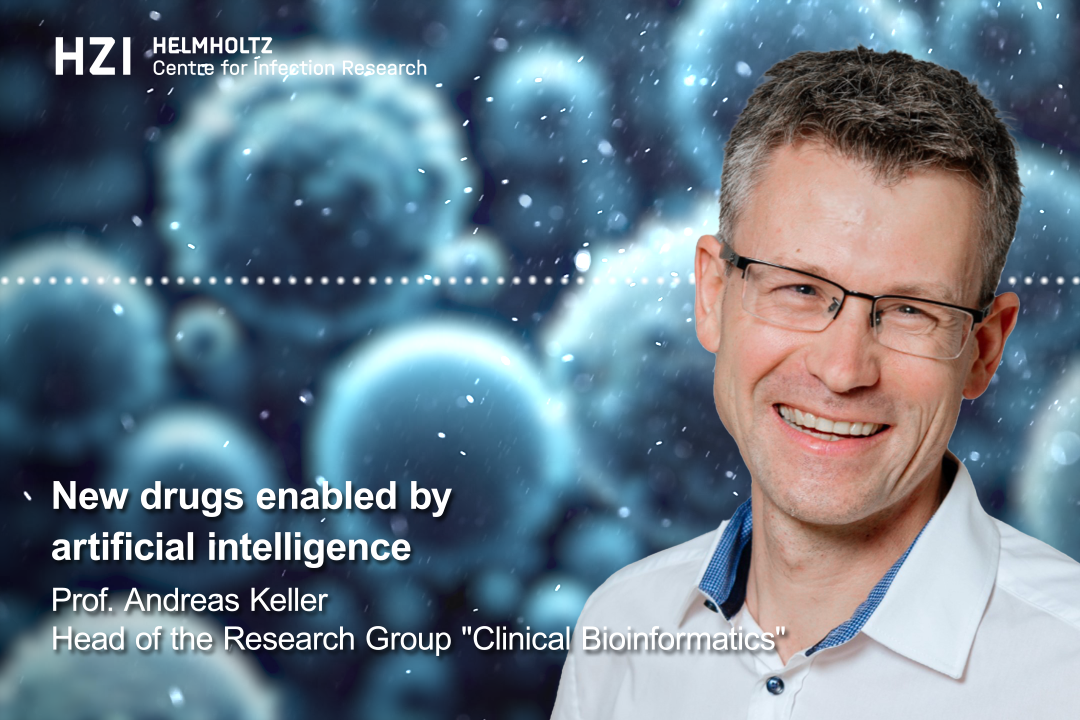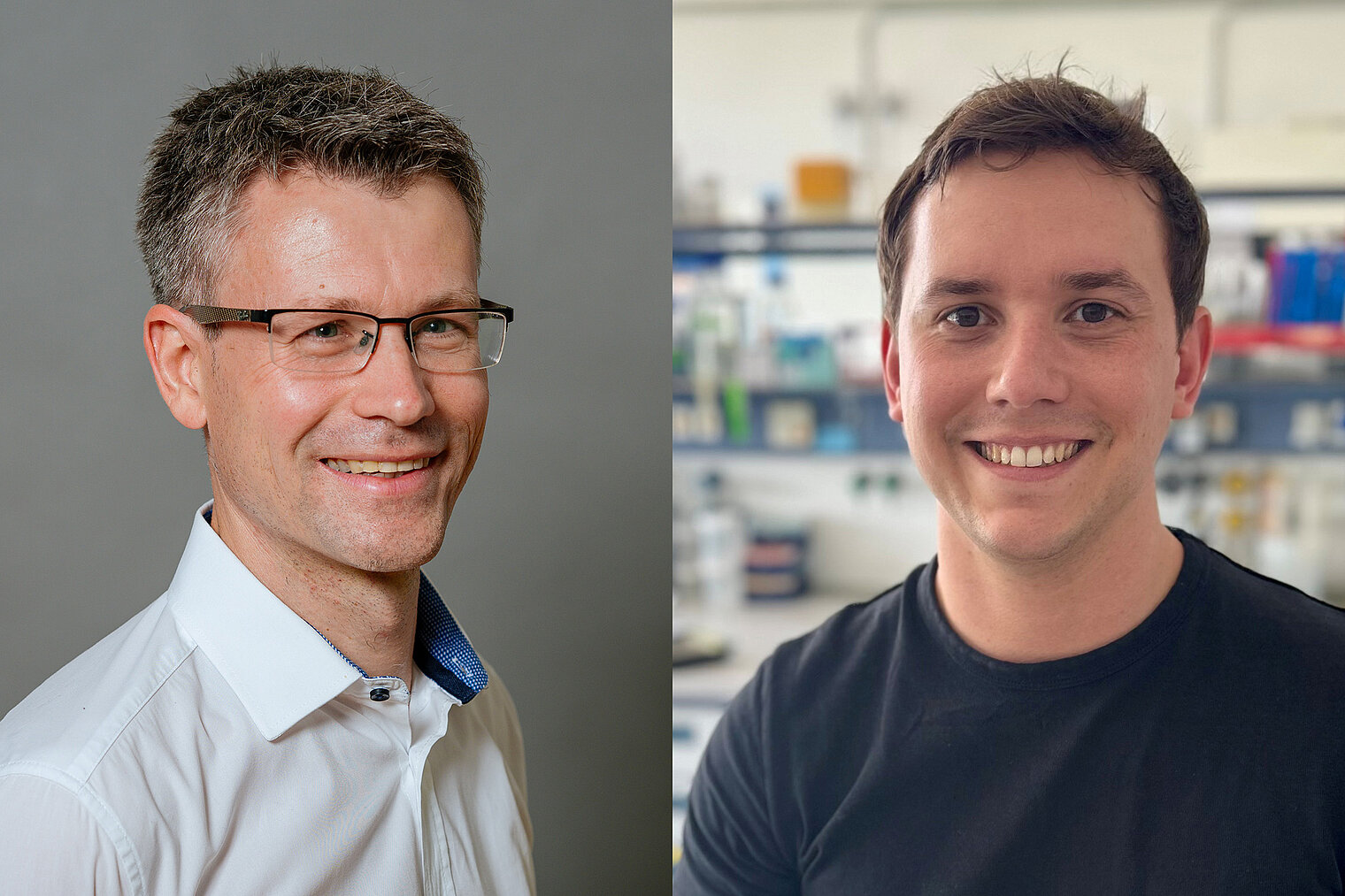
Prof. Andreas Keller heads the department “Clinical Bioinformatics” at the Helmholtz Institute for Pharmaceutical Research Saarland (HIPS), a site of the HZI in cooperation with Saarland University. Together with his team, he analyzes molecular information using computer-aided methods such as machine learning, artificial intelligence, and other algorithms. One focus of his research is on the mechanisms underlying aging and neurodegeneration. Keller’s goal is to understand how infections affect the immune system and aging, and what damage post-acute infection syndromes can cause even decades later. He is also investigating new RNA- and natural product-based therapies.
Prof. Max Kellner leads the junior research group “Laboratory for Virus–Host Co-Evolution” within the HZI’s HUMAN Programme. Together with his team, he investigates the defense mechanisms of natural hosts of highly pathogenic viruses, with a particular focus on mammals. Some of these species, including certain bats, can tolerate infections with viruses such as Marburg or Ebola virus without developing disease, while the same pathogens can cause severe illness in other species. To unravel the molecular mechanisms underlying this resilience, Kellner combines organoid models with functional genetic approaches, enabling the study of virus–host interactions under near-physiological conditions.
This year, Clarivate’s Highly Cited List includes 7,090 researchers. With 373 recognized researchers, Germany ranks fourth behind the United States, China, and the United Kingdom.