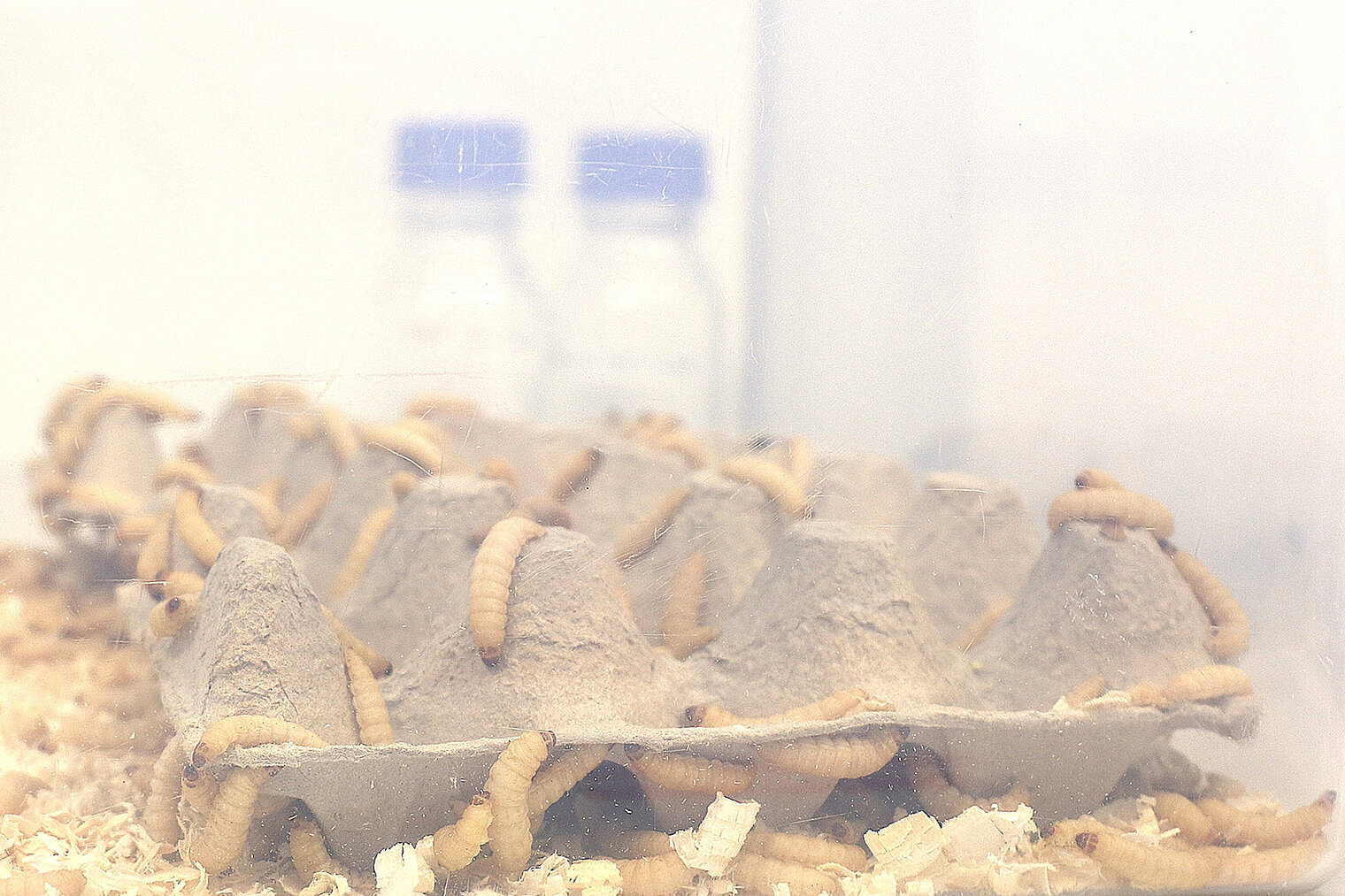
larvae of the greater wax moth
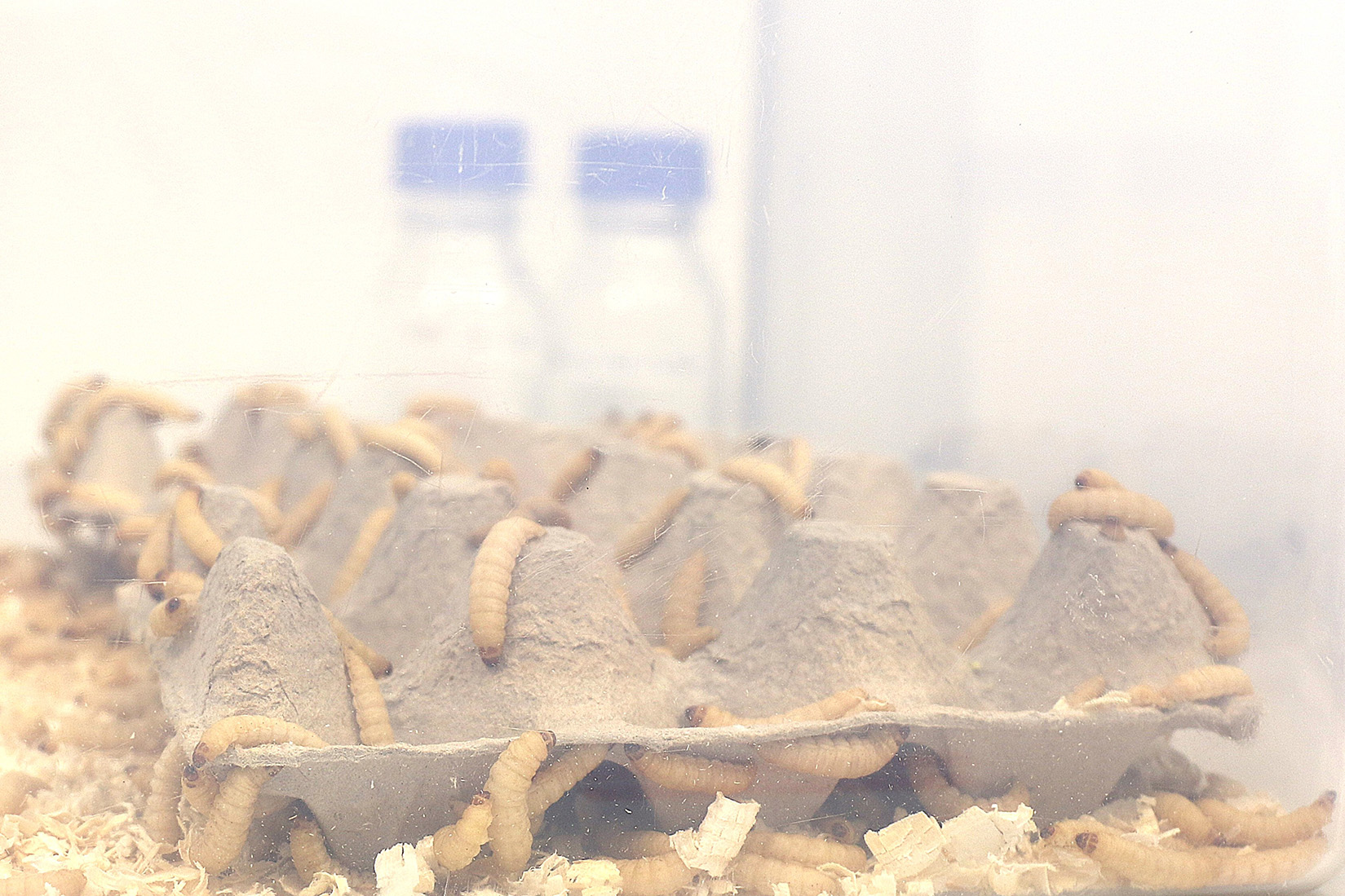
The larvae of the greater wax moth (Galleria mellonella) serve as an alternative infection model for investigating the pathogenicity of bacteria on a larger scale.
News

From pest to useful tool: How wax moth larvae can help reduce animal testing in research

HIOH team validates alternative infection model for bacterial studies

Researchers at the Helmholtz Institute for One Health (HIOH) have demonstrated that larvae of the greater wax moth (Galleria mellonella) are suitable as an alternative infection model for investigating the pathogenicity of bacteria on a larger scale. This could significantly reduce animal testing on mammals in the future. The results of the study were published in “The Lancet Microbe”.

Today, the genetic material of bacteria can be analyzed very quickly, and with it, their potential to cause disease. However, it is much more complex to determine just how virulent—that is, disease-causing—these pathogens actually are in a living organism. Until now, such studies have often been conducted on mice or other mammalian models and are time- and resource-intensive. For ethical reasons, these studies are also not suitable for high-throughput testing.

An interdisciplinary team at the Helmholtz Institute for One Health (HIOH) in Greifswald, a site of the Helmholtz Centre for Infection Research (HZI), has now demonstrated that the larva of the greater wax moth (Galleria mellonella) is a robust and ethically acceptable model for studying the human pathogenic bacterium Klebsiella pneumoniae on a larger scale. Klebsiella pneumoniae is one of the world’s most dangerous pathogens causing severe infections, particularly in clinical settings. By testing 80 different strains of this pathogen, the researchers demonstrated that, under standardized conditions, classic and particularly virulent variants can be clearly distinguished from one another in the wax moth larvae.

Reliable results through standardized conditions

In the past, research using wax moth larvae was sometimes viewed critically because the study results were often difficult to compare due to a lack of standards. The Greifswald research team therefore systematically reviewed and optimized the model in accordance with the ethical guidelines of the 3R principle (Replacement, Reduction, Refinement—replacing, reducing, and refining animal testing).

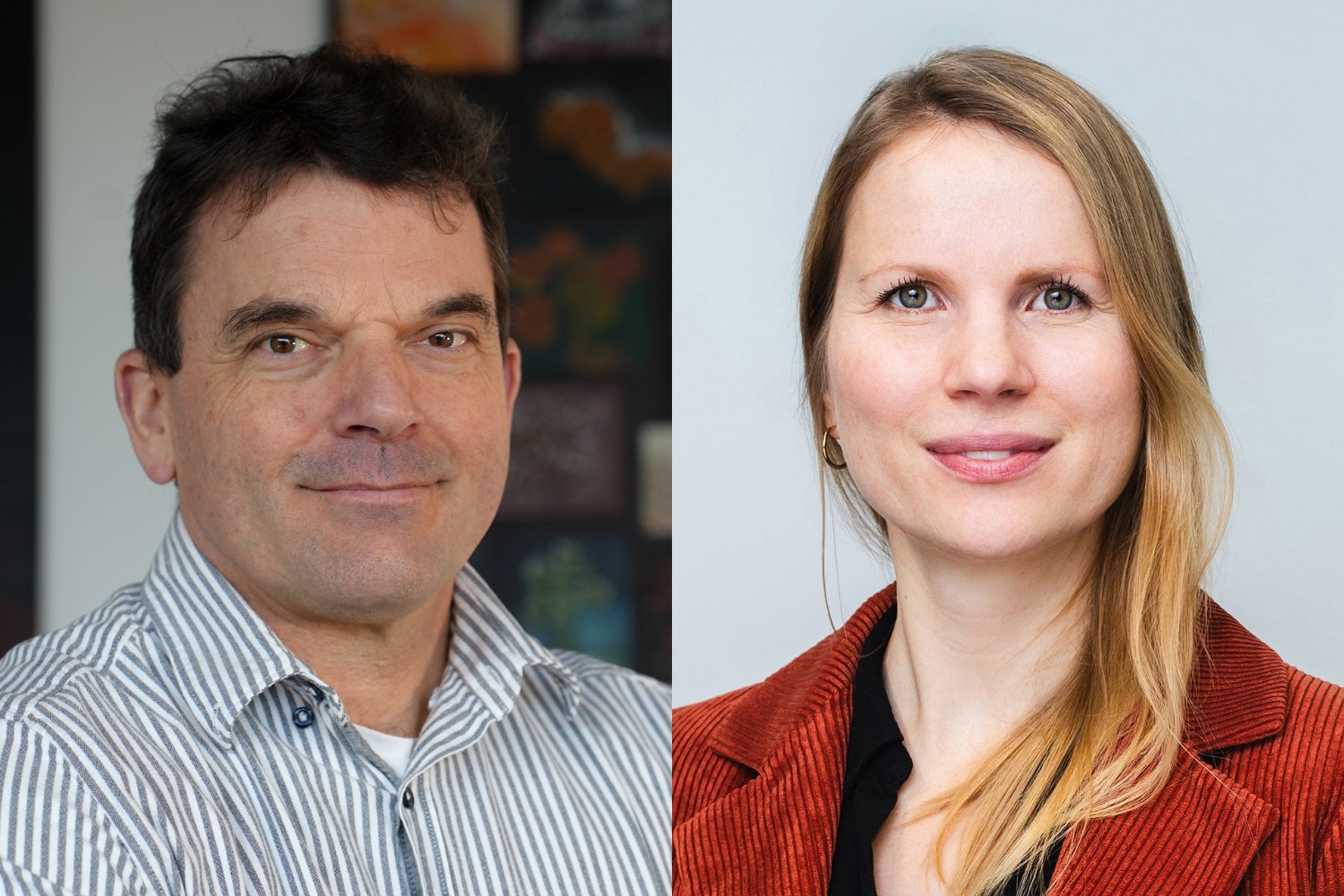
Prof. Katharina Schaufler, head of the “Epidemiology and Ecology of Antimicrobial Resistance” department, explains: “As a veterinarian, animal welfare is particularly important to me. However, to better understand the characteristics of antibiotic-resistant pathogens, we need reliable in vivo models. Our work details the conditions under which the insect model yields reproducible results. This enables us to practically implement the 3R principle in our daily laboratory work while simultaneously making infection research more efficient.”

Resource-efficient pre-selection

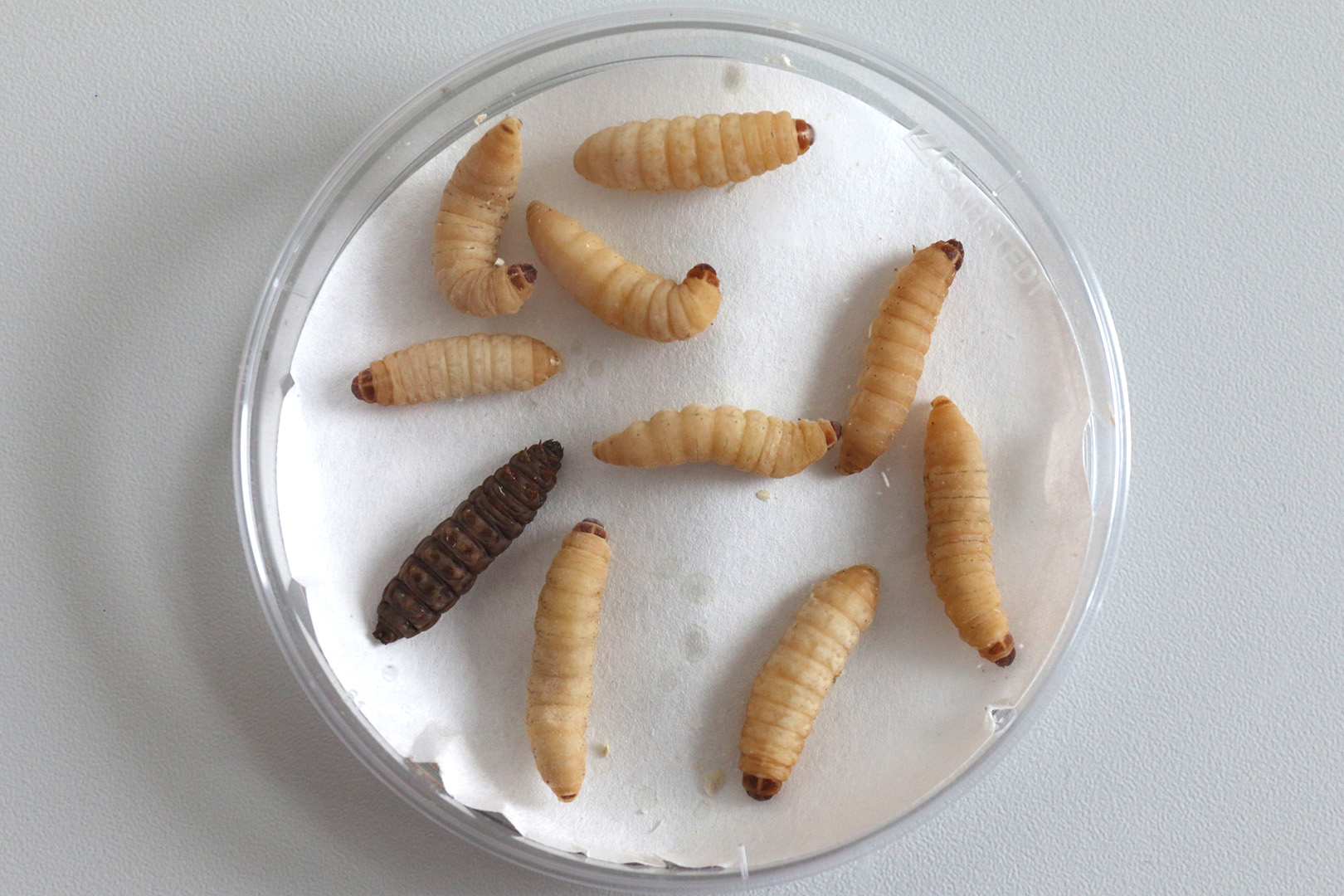
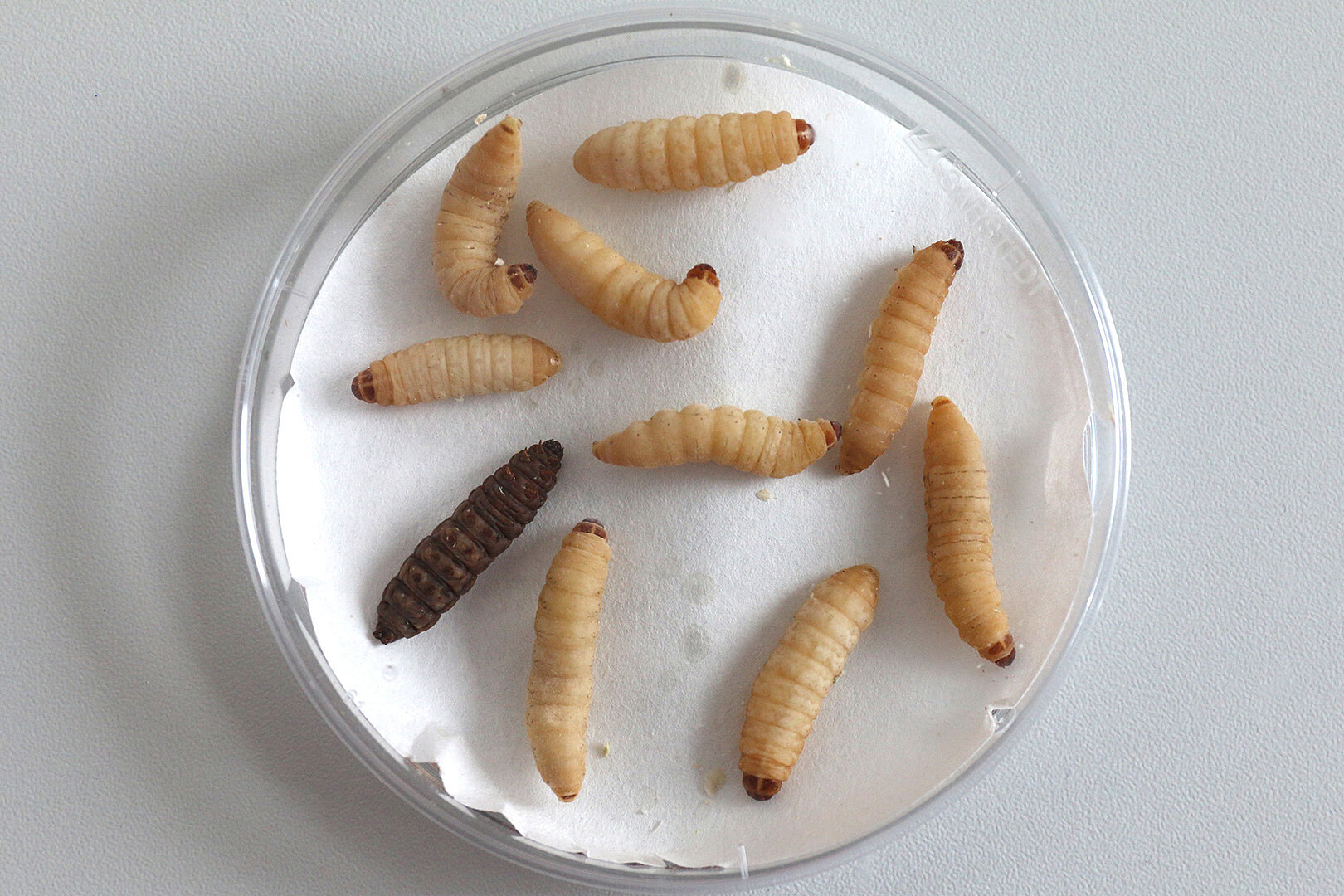
Larvae of the greater wax moth in Petri dish
Larvae of the greater wax moth (Galleria mellonella) during the standardized infection experiment in a Petri dish. The dark discoloration of individual larvae occurs as a result of the bacterial infection and serves as an indicator of the disease progression. The model system can help significantly reduce the number of experiments requiring vertebrates.

The decisive advantage of the model is its broad applicability. Before experiments on mammals are even considered, the model allows for broad screening of numerous bacterial variants or potential new active compounds in a living organism.

“The wax moth larva provides us with a biological system that we can use very effectively on a large scale,” adds Dr. Elias Eger, corresponding author of the study and a researcher at HIOH. “While it is not a complete substitute for mammalian models, it works excellently as a tool for informed pre-selection. This means that only the most promising bacterial isolates need to be validated in more complex mammalian models afterward.”

An important building block for One Health research

The establishment of the model supports the HIOH’s holistic research approach. The goal is to decipher the spread and evolution of antibiotic-resistant pathogens at the interfaces between the environment, animals, and humans. To analyze these dynamics on a large scale, researchers need practical and scalable in vivo models—that is, studies in living systems. The standardized Galleria model fills an important gap here.

The study was published in the renowned journal The Lancet Microbe and is the result of an international, interdisciplinary collaboration. It underscores how methodological advancements can help successfully combine medical knowledge with ethical considerations.

Information about the study

In addition to researchers from the HIOH working group “Epidemiology and Ecology of Antimicrobial Resistance ”, an international team from the following institutions participated in the study:

  • University Medical Center Greifswald, Germany
  • Christian-Albrecht University of Kiel and University Medical Center Schleswig-Holstein, Kiel, Germany
  • Vin University, Hanoi, Vietnam
  • Vietnamese-German Center for Medical Research (VG-CARE), Hanoi, Vietnam
  • Military Hospital, Hanoi, Vietnam
  • Duy Tan University, Da Nang, Vietnam
  • University of Tübingen, Germany
  • German Center for Infection Research (DZIF), locations in Tübingen and Hamburg-Lübeck-Borstel-Riems, Germany
  • Paracelsus Medical University, Nuremberg General Hospital, Germany
  • University Hospital Münster, Germany
  • Dr. Krause and Colleagues Medical Center GmbH, Kiel, Germany
  • University of Lübeck and University Medical Center Schleswig-Holstein, Lübeck Campus, Germany
Original publication:

Schaufler K, Schmidt N, Schwabe M, Heiden SE, Fickenscher H, Woh PY, Tien SB, Velavan TP, Song LH, Neumann B, Idelevich EA, Becker K, Krumbholz A, Kocer K, Boutin S, Nurjadi D, Eger E. Rethinking virulence screening in Klebsiella pneumoniae: a case for a standardised Galleria mellonella infection model. Lancet Microbe. 2026. 101421 [Epub ahead of print]. DOI: 10.1016/j.lanmic.2026.101421

Stephanie Markert

Press contact

Dr Stephanie Markert
Scientific Coordinator