Mpox is a zoonotic disease caused by the monkeypox virus (MPXV) that can lead to severe illness in humans. It regularly spills over from wildlife to humans in West and Central Africa, and some of these spillovers have recently sparked large global outbreaks sustained by human-to-human transmission. In order to prevent such outbreaks effectively, it is crucial to gain a thorough understanding of how the virus circulates in wildlife and what triggers spillover events.
© Taï Chimpanzee Project/Ane Lopez-Morales
News
Fire-footed rope squirrels identified as a natural reservoir for monkeypox virus
A deadly outbreak among mangabeys

© Taï Chimpanzee Project/Carme Riutord-Fe/HIOH
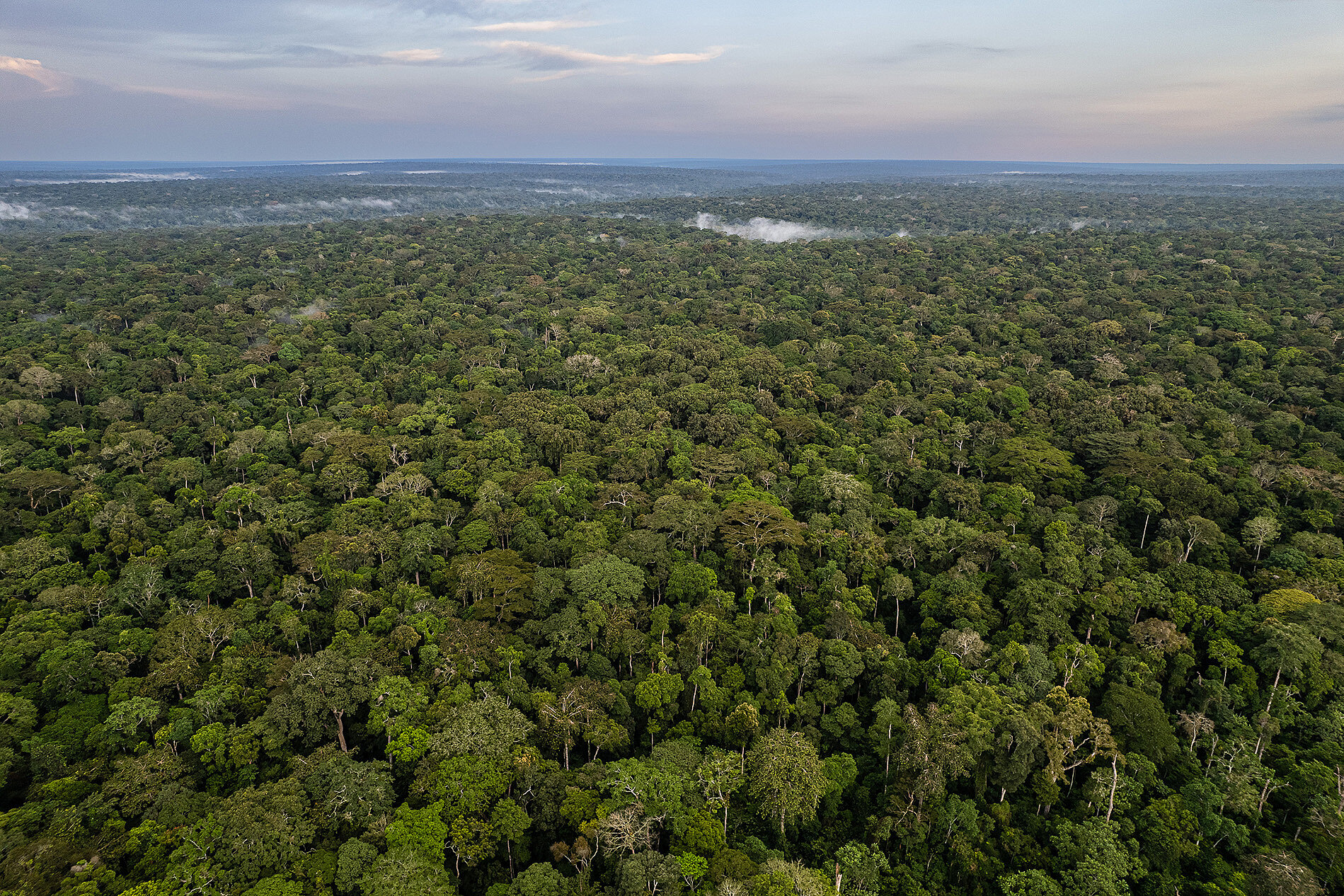
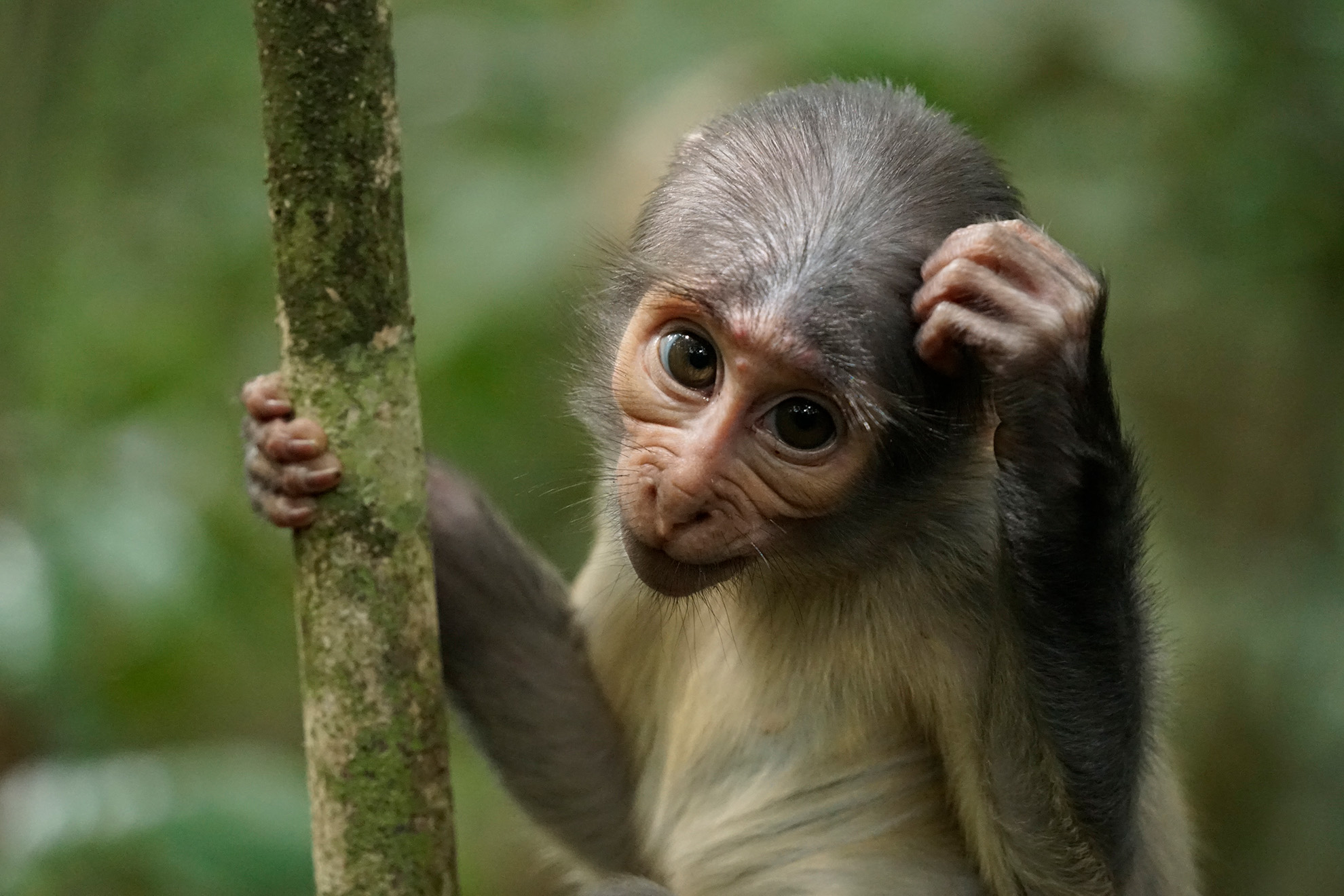
For decades, the researchers now at HIOH have worked closely with the Taï Chimpanzee Project to monitor the health of wild chimpanzees, sooty mangabeys and other wildlife in Taï National Park, Côte d'Ivoire — a long-term commitment that proved essential to detecting this transmission event. In early 2023, the team identified an outbreak of mpox in a well-studied group of sooty mangabeys: About one third of the group showed clinical signs of disease, and four infants died.
Viral genome sequencing revealed that the virus detected in the infected monkeys was nearly identical to an MPXV strain identified in a fire-footed rope squirrel found dead 12 weeks earlier nearby.

© Taï Chimpanzee Project/Alexander Mielke
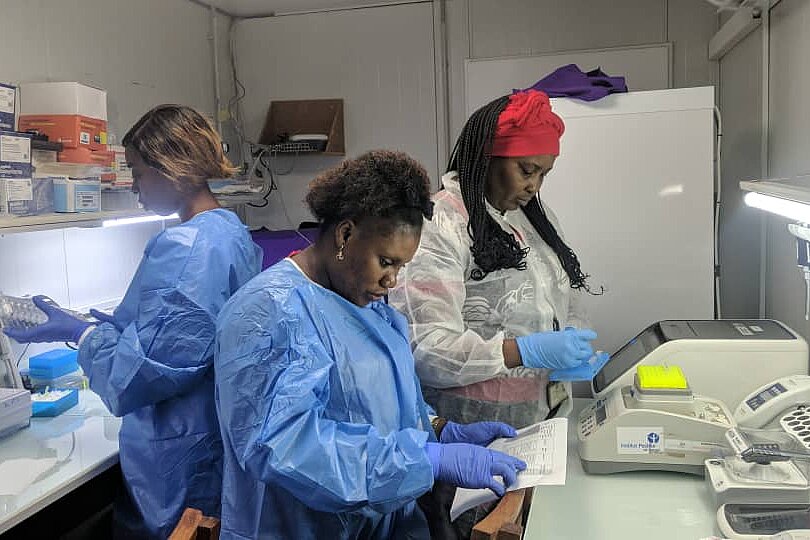
In an attempt to link both observations, the team analyzed fecal samples from the mangabeys, seeking evidence of pre-outbreak MPXV circulation and contact between the host species. One sample collected eight weeks before the outbreak onset contained DNA from both the virus and the rope squirrel, providing strong evidence of interspecies transmission at this moment. Behavioral data supported these findings. Sooty mangabeys from this group have already been observed catching and eating fire-footed rope squirrels, which provides a direct route for the transmission of viruses.
Squirrels under suspicion: now confirmed

© Taï Chimpanzee Project/Carme Riutord-Fe/HIOH
Squirrels have long been suspected as potential reservoirs for MPXV. The first isolation of the virus from a wild animal was from a rope squirrel (Funisciurus anaerythrus) captured in the Democratic Republic of the Congo in 1985. In 2003, imported squirrels infected with MPXV were also among the rodents suspected to have been the source of an mpox outbreak in pet prairie dog owners in the US. Yet, these animals had never been shown to be directly responsible for an outbreak in another species in nature. The new study is a breakthrough that starts unveiling how the pathogen circulates in the wild.
What this means for human health
As hunting pressure has reduced populations of larger game species, rodents such as squirrels are increasingly hunted and consumed by humans, which likely heightens the risk of human exposure and zoonotic transmission of MPXV. Therefore, confirming the direct involvement of fire-footed rope squirrels in interspecies transmission carries important public health implications.
“Identifying the animal sources of the virus and the exposure routes that lead to inter-species transmission are key steps towards understanding spillover mechanisms and developing effective prevention measures to mitigate the risk of transmission to humans,” says Livia V. Patrono, one of the senior authors at HIOH.
The authors recommend increasing awareness among people who come into contact with squirrels and other wildlife, such as children. In addition, they call for a deeper understanding of MPXV ecology in reservoir species – especially squirrels – as well as in intermediate hosts, particularly non-human primates, in MPXV-endemic regions, to strengthen evidence-based prevention strategies.
One Health approach more relevant than ever

© Taï Chimpanzee Project/Constant Kaye
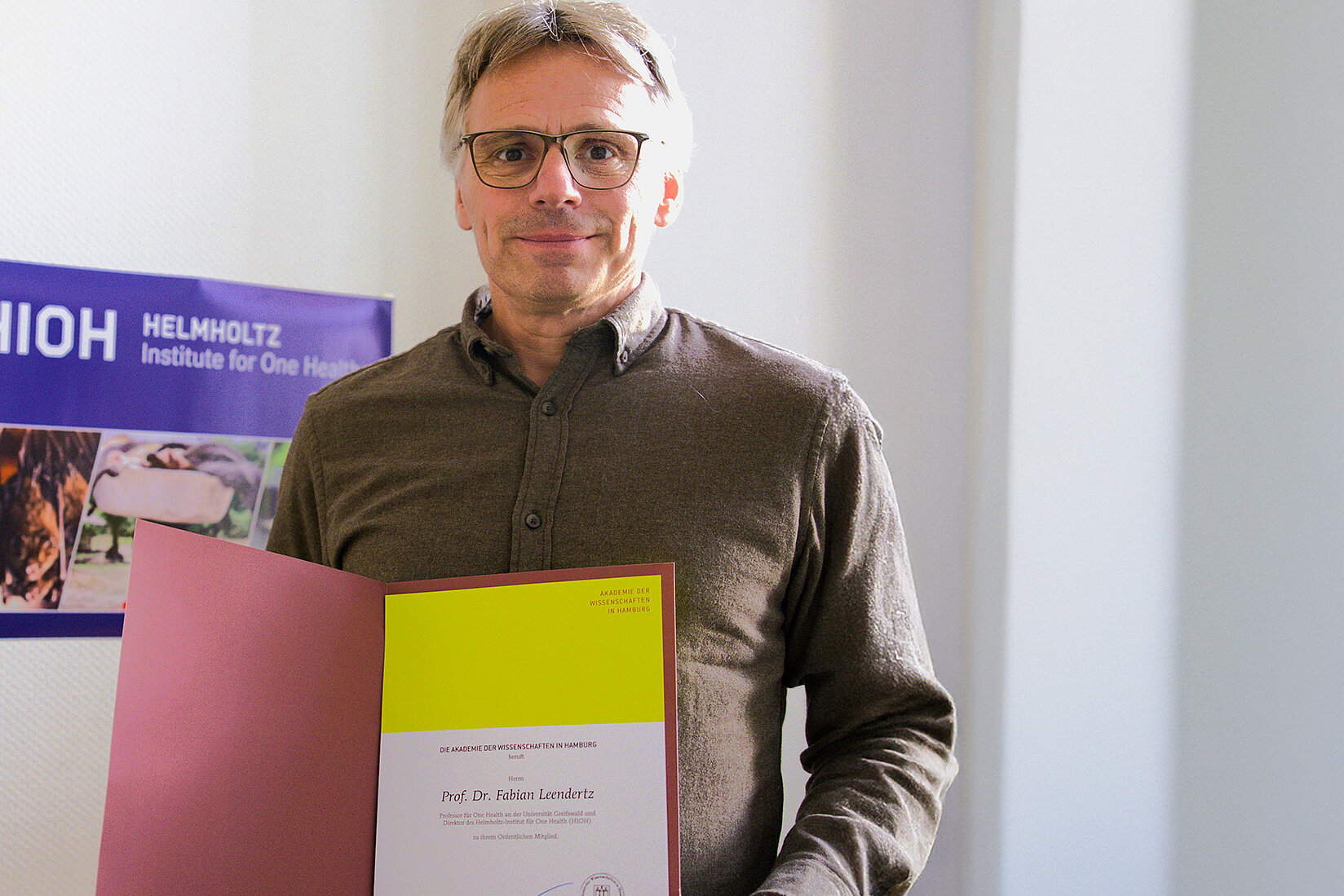
The findings underscore the importance of a One Health approach that recognizes the links between human, animal, and environmental health. “This discovery was only possible thanks to long-term ecological research, continuous health monitoring and systematic sample collection in the Taï National Park,” says Fabian Leendertz, senior author, director of HIOH and co-director of the Taï Chimpanzee Project. “We need to maintain and expand this kind of effort to better understand and hopefully reduce the risks posed by emerging infectious diseases, including mpox – we need to strengthen prevention.”
Josef Penninger, Scientific Director of the Helmholtz Centre for Infection Research, adds: “This study also highlights the value of close cooperation with our African partners. Only through strong, trust-based collaborations with local authorities and research institutions can we effectively tackle zoonotic diseases and make an impact, not just regionally, but globally.”
Study information
The study was carried out in collaboration with an international team of researchers from the following institutions:
- Taï Chimpanzee Project; Centre Suisse de Recherches Scientifiques en Côte d’Ivoire, Abidjan, Côte d’Ivoire
- Université Peleforo Gon Coulibaly Korhogo, Korhogo, Côte d’Ivoire
- Senckenberg Museum for Natural History Görlitz, Senckenberg Society for Nature Research, Germany
- Friedrich-Loeffler-Institute, Greifswald–Insel Riems, Germany
- Dresden University of Technology, Germany
- Queen Mary University of London, London, United Kingdom
- Claude Bernard University Lyon 1, Lyon, France
- German Primate Center, Göttingen, Germany
- Université Félix Houphouët-Boigny d’Abidjan-Cocody, Abidjan, Côte d’Ivoire
- University of Greifswald, Germany
- University Medicine Greifswald, Germany
Within the Helmholtz Institute for One Health, the research involved scientists from the working groups “Ecology and Emergence of Zoonotic Diseases”, “Evolutionary Community Ecology”, and “Pathogen Evolution”.
Original publication
Carme Riutord-Fe, Jasmin Schlotterbeck, Lorenzo Lagostina, Leonce Kouadio, Harriet R. Herridge, Moritz J. S. Jochum, Nea Yves Noma, Ane López-Morales, Donata Hoffmann, Sten Calvelage, Hjalmar Kühl, Alexander Mielke, Catherine Crockford, Liran Samuni, Roman M. Wittig, Martin Beer, Sery Gonedelé-Bi, Jan F. Gogarten, Sébastien Calvignac-Spencer, Ariane Düx, Livia V. Patrono, Fabian H. Leendertz: Transmission of MPXV from fire-footed rope squirrels to sooty mangabeys. Nature (2026). DOI: 10.1038/s41586-025-10086-y
Further information
- An animal source of mpox emerges — and it’s a squirrel – A Nature News Feature
- How do mpox outbreaks start? Dead baby monkey provides important clue – A Science News Feature
- Ein Affenbaby stirbt – und eine außergewöhnliche Spurensuche beginnt – Die Zeit (in German)

Press contact
Magdalena Wɫodarz
Scientific Coordinator (parental leave cover)