Newsroom

Scanning electron microscope image of Mycobacterium tuberculosis.
Interview
On the occasion of World Tuberculosis Day, Jennifer Herrmann, scientist in the department Microbial Natural Products at the Helmholtz Institute for Pharmaceutical Research Saarland (HIPS), talks about the epidemiology of the disease and her current research into new active substances against the causative agent of tuberculosis.
23.04.2021
Dirk Heinz during his welcoming speech to the Federal Minister of Research, Anja Karliczek
Interview
With the outbreak of the COVID-19 pandemic, the HZI quickly moved into the public spotlight. Scientific Director Prof Dirk Heinz talks about one year of pandemic, the fast establishment of corona research and new challenges
01.03.2021
Mark Brönstrup and Till Strowig
Interview
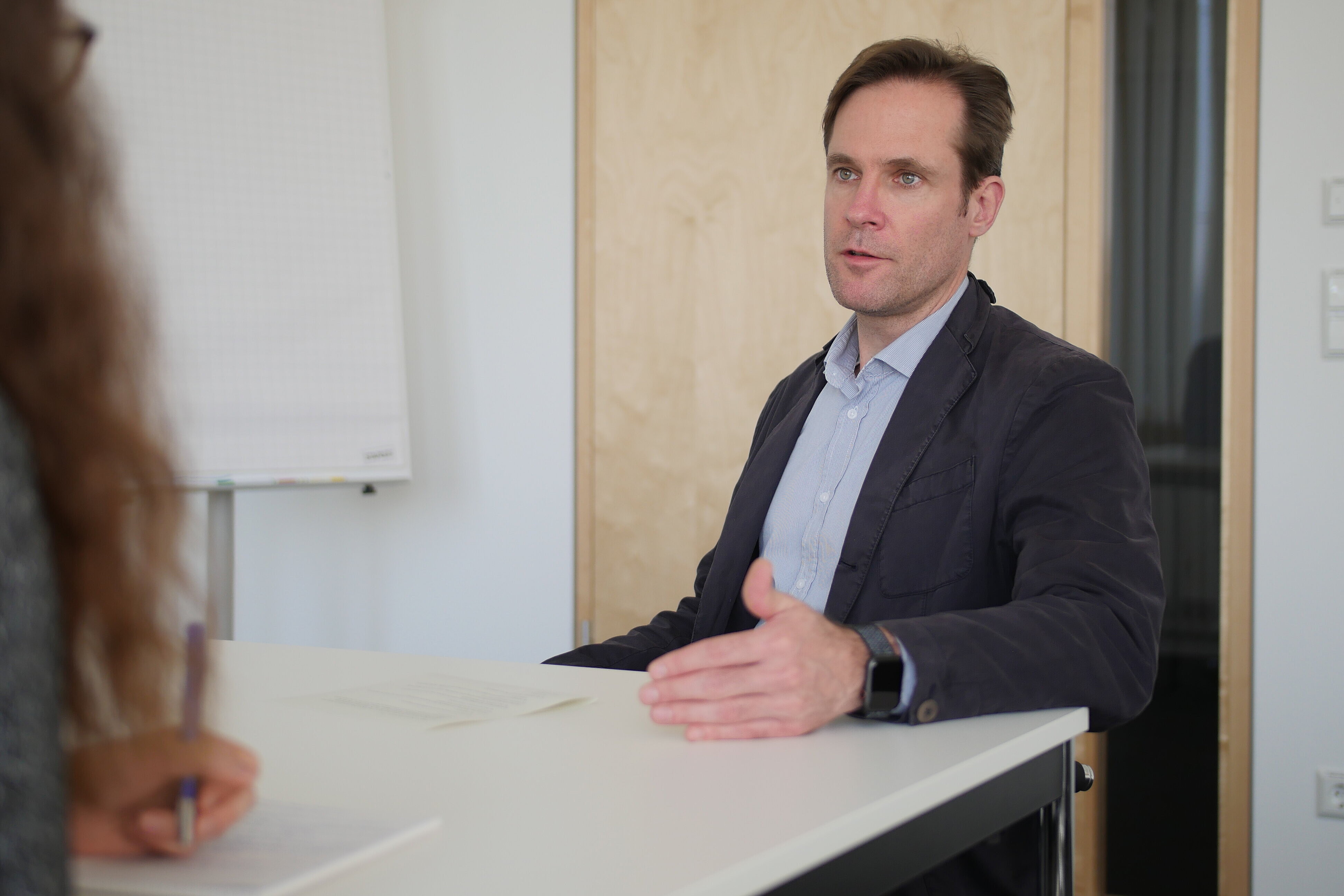
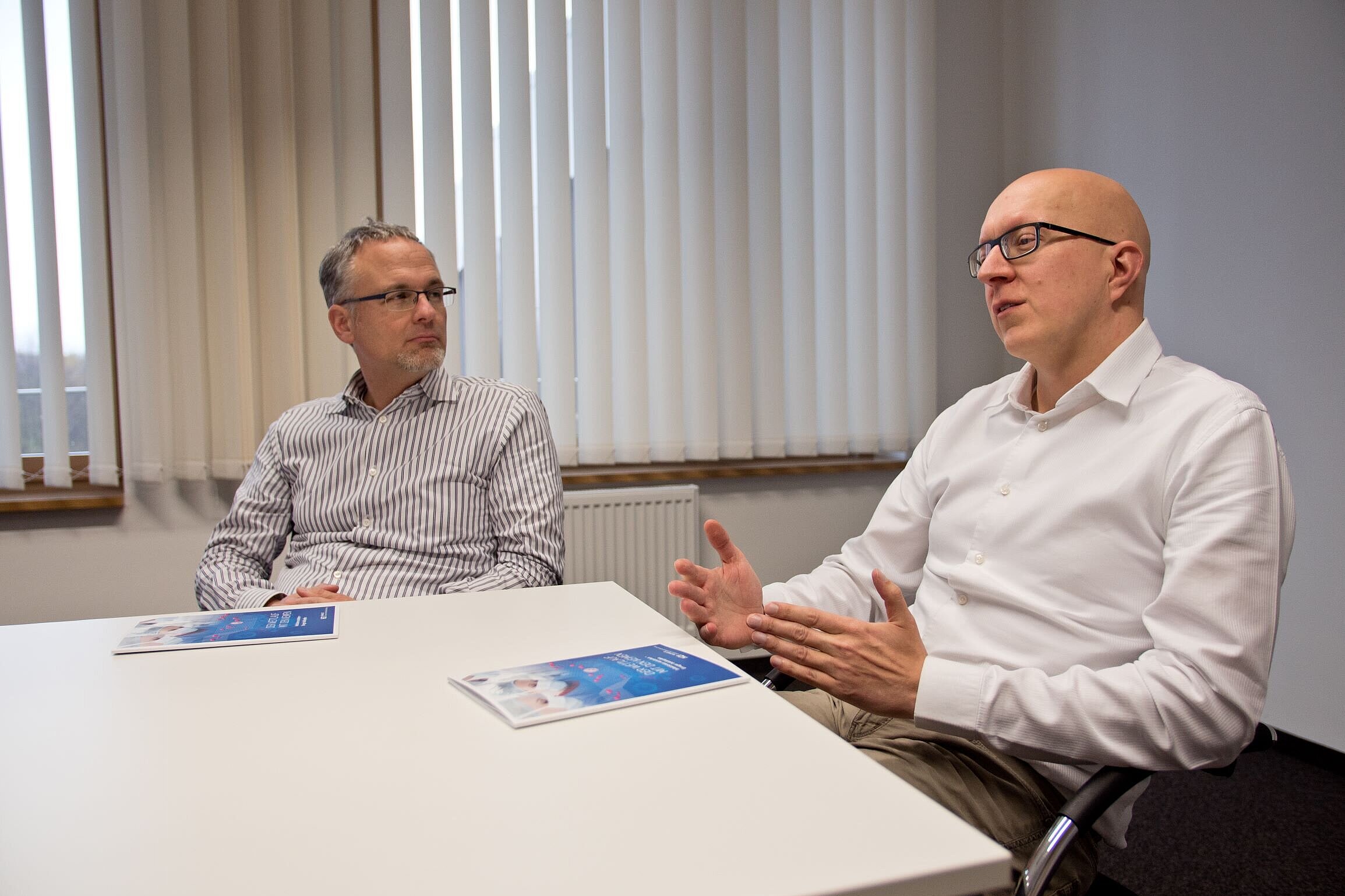
Mark Brönstrup, head of the research group "Chemical Biology", and Till Strowig, head of the research group "Microbial Immune Regulation", talk about the current antibiotics research and how it is related to microbial research.
04.11.2019
Portrait of Ulrich Kalinke
Interview
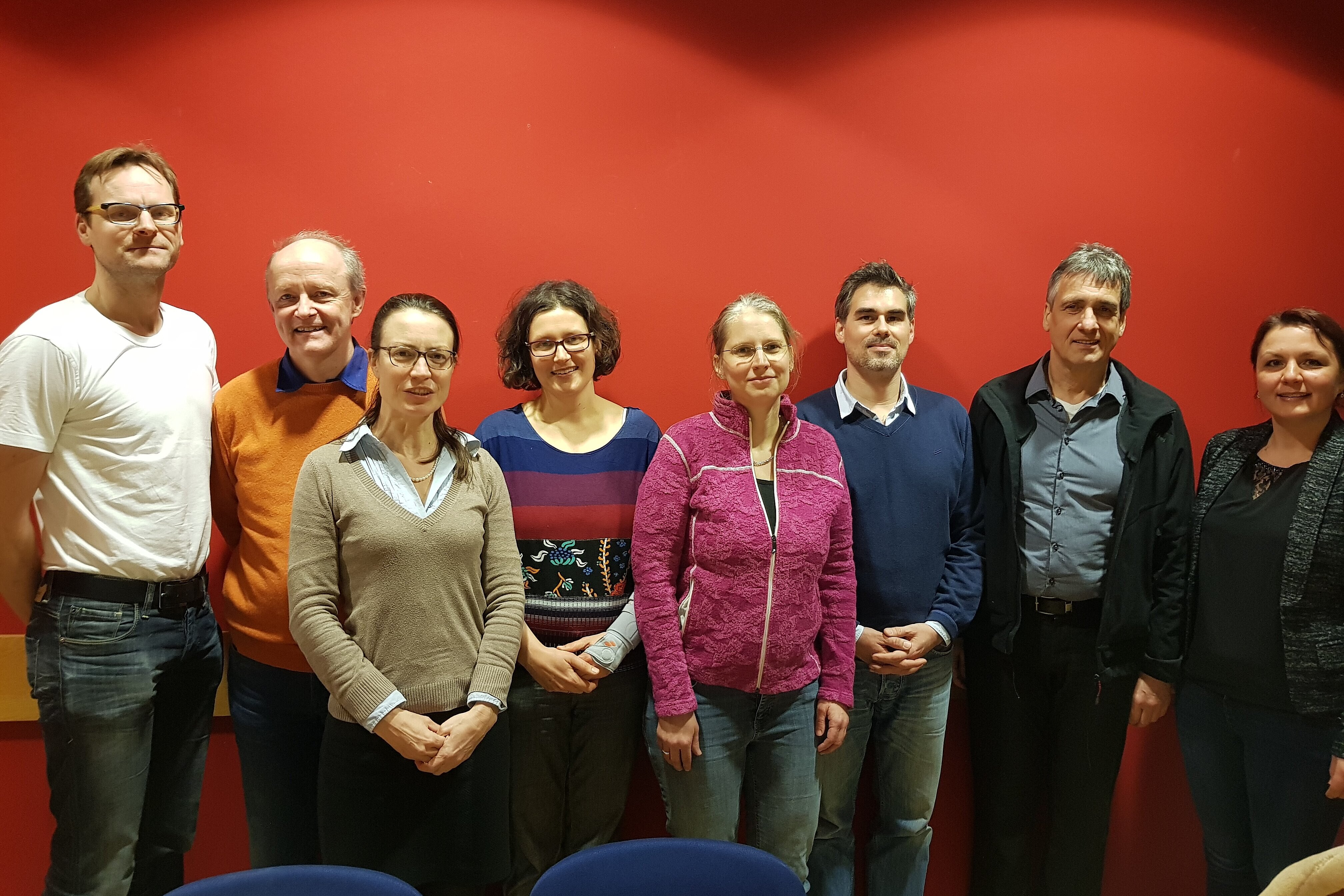
A year after its 10th birthday, numerous changes are on the agenda at TWINCORE. Ulrich Kalinke, Scientific Director of the Centre for Experimental and Clinical Infection Research, speaks to us about clinician scientists, big data and new research topics
01.11.2019
Markus Cornberg
Interview
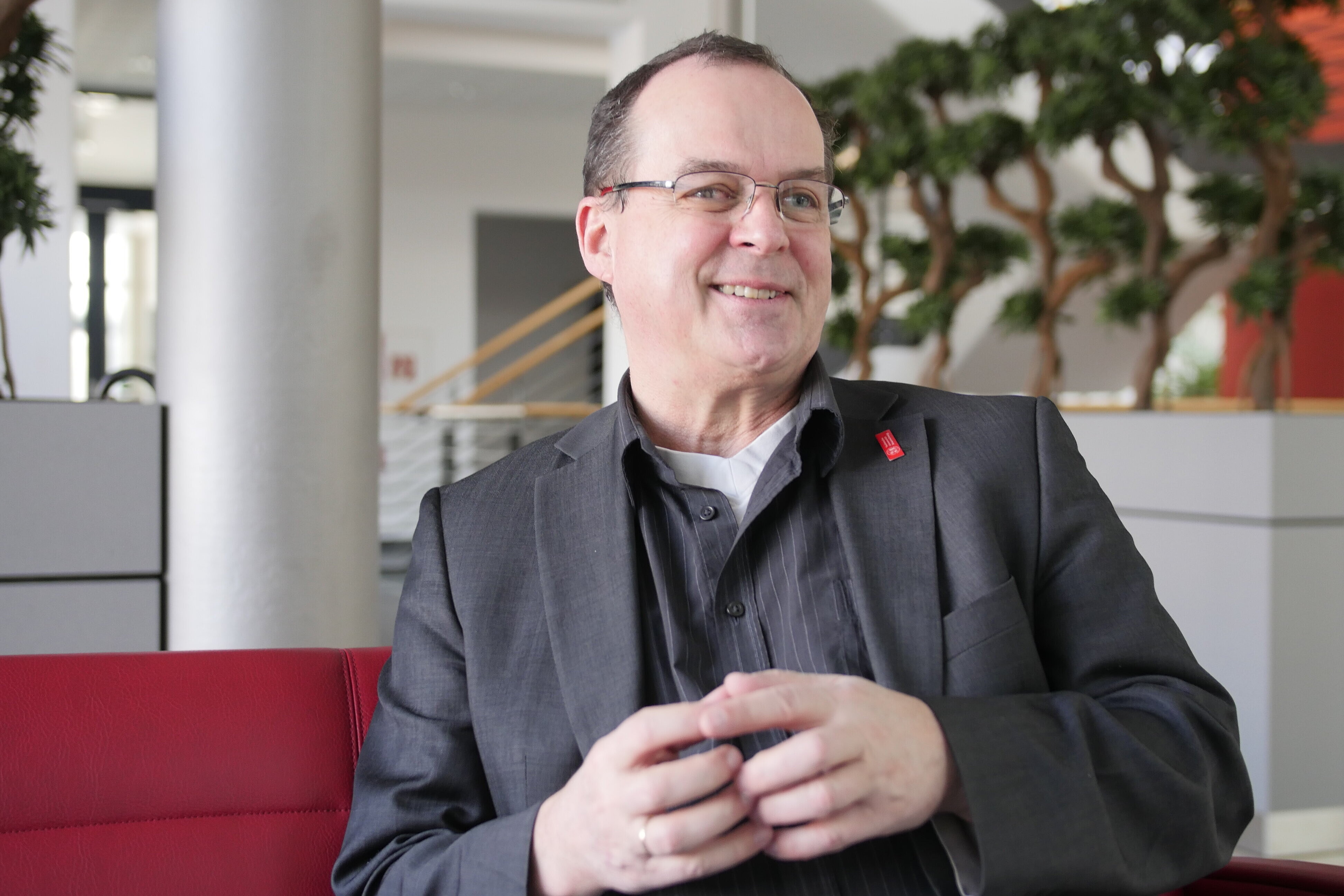
Markus Cornberg, a medical doctor by training, is the new Clinical Director of the Helmholtz Centre for Infection Research (HZI) and heads the Centre for Individualised Infection Medicine (CiiM) in Hannover. He took up this role on 1 January 2019, succeeding Michael Manns, who has taken over the presidency at Hannover Medical School (MHH). In an interview, Cornberg talks about the initial steps towards individualised infection medicine that takes into account the specific characteristics of individual patients or patient groups.
06.05.2019
Portrait of Thomas Pietschmann, TWINCORE
Interview
About 70 million people worldwide are chronically infected with the hepatitis C virus (HCV). Possible consequences include hepatitis, cirrhosis and liver cancer, but the disease often remains undetected for long periods of time. Thomas Pietschmann of the TWINCORE in Hannover investigates the virus and works on the development of a vaccine that could prevent HCV infections in the future.
01.05.2019

Register now for the HZI-Newsletter