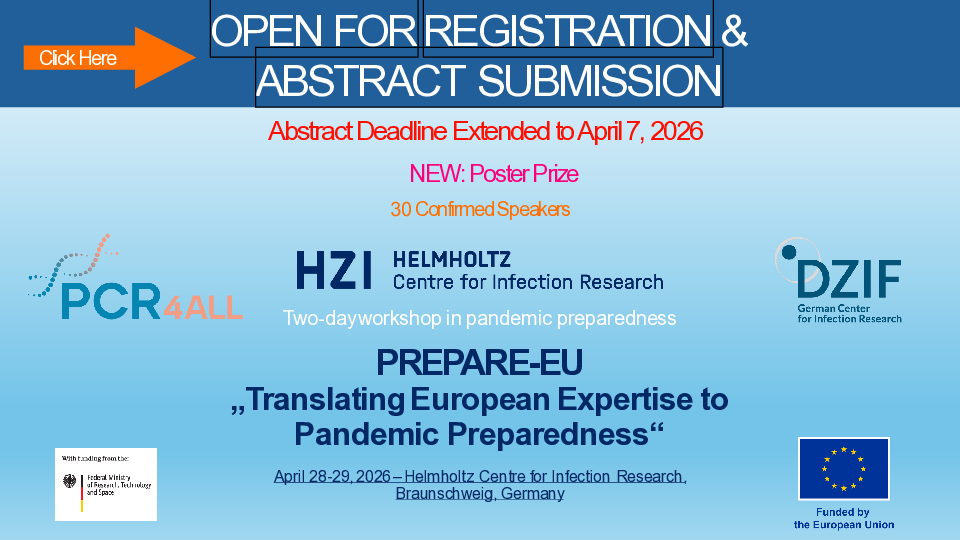
It is our pleasure to invite you to our workshop PREPARE-EU “Translating European Expertise to Pandemic Preparedness“, which is held within the framework of the EU project PCR-4-ALL (coordinated by KU Leuven, Belgium), taking place in Braunschweig, Germany, from April 28-29, 2026.
After a very successful spring school connecting diverse European pandemic Preparedness initiatives, we would now like to provide a follow-up, with a workshop looking more closely into Translation perspectives. How can research initiatives more clearly be translated to action? What is the role of newer institutions and organisations in a European pandemic Preparedness Framework?
The aim of pandemic preparedness research is to ensure, through multidisciplinary efforts, that a rapid and effective response can be mounted at any time to emerging infectious agents with pandemic potential. With this in mind, the workshop is aimed at doctoral and postdoctoral students as well as other experts from academia and industry who are active in a wide variety of research and activity fields, such as infectious diseases, emerging health threats, zoonotic transmission, technologies for the detection of infectious diseases, epidemiology, mathematical and economic modeling of pandemics, vaccinology, One Health approaches, and the social and ethical implications of pandemics.
The workshop will convene distinguished experts and researchers from across the Europe to advance the discussion on pandemic preparedness to further develop well-established as well as to formulate new and creative approaches. The meeting will provide a platform for high-level scientific exchange and foster interdisciplinary collaboration at the interface of epidemiology and its neighboring disciplines. We are looking forward to welcoming you in Braunschweig for this important event dedicated to shaping the future of pandemic preparedness – one of the major global challenges ahead.
28 April 2026, 9 a.m. to 5 p.m., followed by a conference dinner • Session I – Research for a European Pandemic Preparedness Framework • Session II – Data Spaces, Modelling & AI – From Prediction to Policy Decisions • Session III – Diagnostics, Digital Tools for Europe - Next Generation Surveillance
29 April 2026, 9 a.m. to 4 p.m. • Session IV – Assessing and Implementing Counter Measures for Pandemics • Session V – Policy Roundtable - A Roadmap for a Connected European Preparedness Network
REGISTRATION AND ABSTRACT SUBMISSION
Registration and abstract submission are open now. Due to limited capacity, early registration is strongly recommended. Once the maximum number of participants is reached, a waiting list will be established.
Registration deadline: 13th April 2026
We warmly welcome abstract submissions for poster presentations or talks.
Please structure your abstract according to standard scientific conventions: Introduction, Methods and Materials, Results, Discussion, and Outlook. Submissions should be clear, concise, and focused on the essential findings. The maximum length is 400 words (approx. 2,000 characters). Abstracts not meeting these criteria will not be considered.
Die Poliomyelitis, auch bekannt als Kinderlähmung, ist eine ansteckende Krankheit, die durch das Poliovirus verursacht wird. Durch die Entwicklung wirksamer Impfstoffe konnte das Poliovirus weit zurückgedrängt werden und war 2024 nur noch in zwei Ländern endemisch. Bis das Virus weltweit ausgerottet ist, ist aber auch in Deutschland ein Impfschutz wichtig, da das Virus jederzeit wieder eingeschleppt werden könnte. Epidemiolog:innen des Helmholtz-Zentrums für Infektionsforschung (HZI) haben nun gezeigt, dass viele Menschen ihren Impfstatus nicht kennen und nicht aus ihrem Impfpass ablesen können. Dr. Carolina Klett-Tammen, stellvertretende Leiterin der Klinischen Epidemiologie in der Abteilung „Epidemiologie“ des HZI, spricht im Interview anlässlich des Welt-Poliotags am 24. Oktober über die Studienergebnisse, die im Fachjournal BMC Public Health erschienen sind.
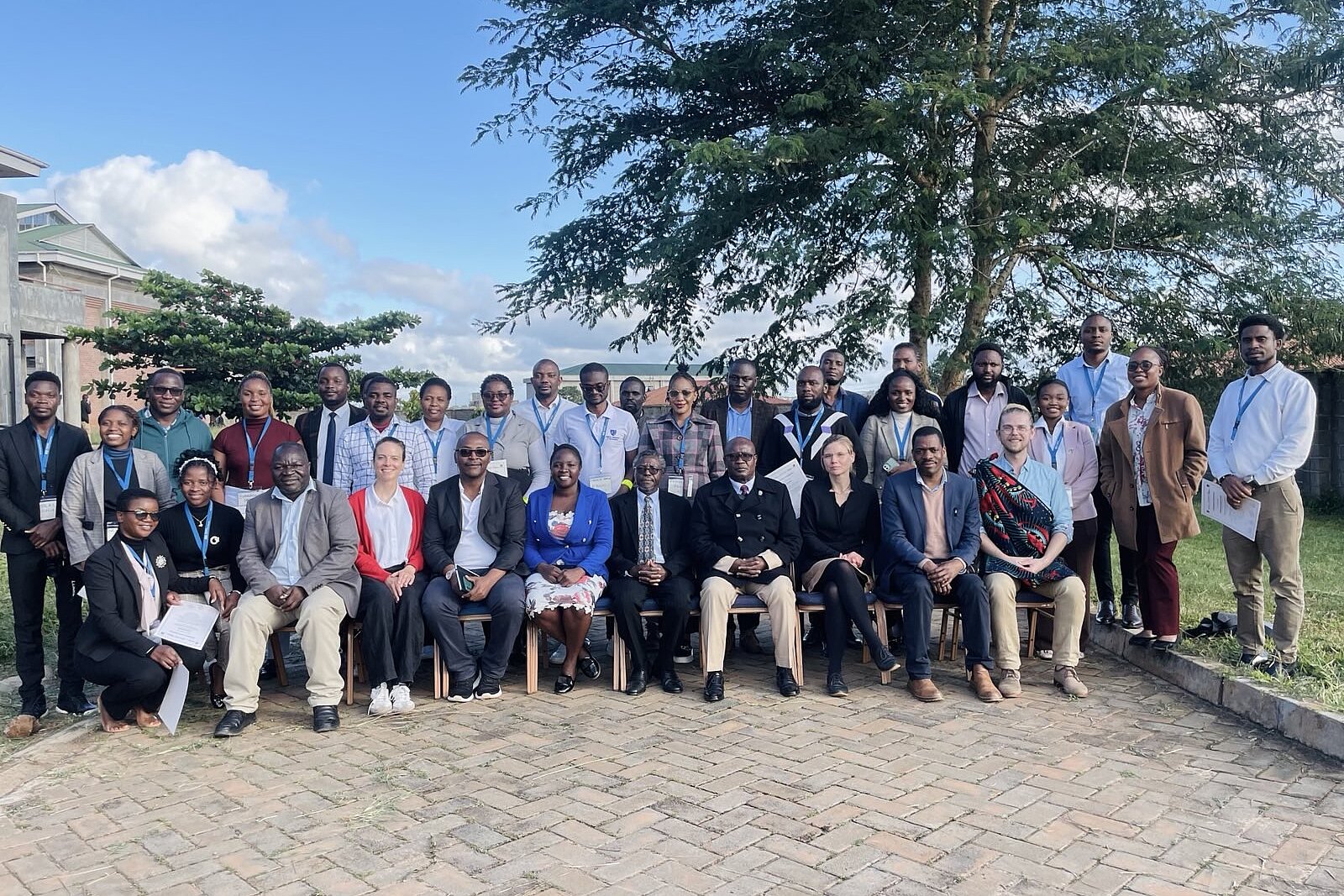
Eine effiziente globale Pandemievorsorge und -bekämpfung erfordert Expert:innen, die für die Durchführung epidemiologischer Studien und die Modellierung von Infektionskrankheiten ausgebildet sind. Das Helmholtz-Zentrum für Infektionsforschung (HZI) leitet das Konsortium NOZGEKA mit dem Ziel, einen Master of Science in Public Health mit Schwerpunkt auf Infektionsepidemiologie in Malawi einzurichten. Die Universität Münster und das Universitätsklinikum Freiburg sowie die University of Livingstonia (UNILIA) und die Mzuzu University (MZUNI) in Malawi sind Kooperationspartner des Konsortiums. Am 23. Mai 2025 fand an der MZUNI eine Feier zur Verleihung der Zertifikate für einen Kurzlehrgang statt, gefolgt von einer Tagung zum Projektfortschritt am 27. Mai 2025.
Die Helmholtz-Gemeinschaft bündelt ihre Aktivitäten in der Präventionsforschung und hat dafür die „Helmholtz Health Prevention Task Force“ ins Leben gerufen. In einem in Nature Medicine veröffentlichten Strategiepapier skizziert das Expertengremium erste Konzepte zur besseren Integration von Prävention in die medizinische Praxis.
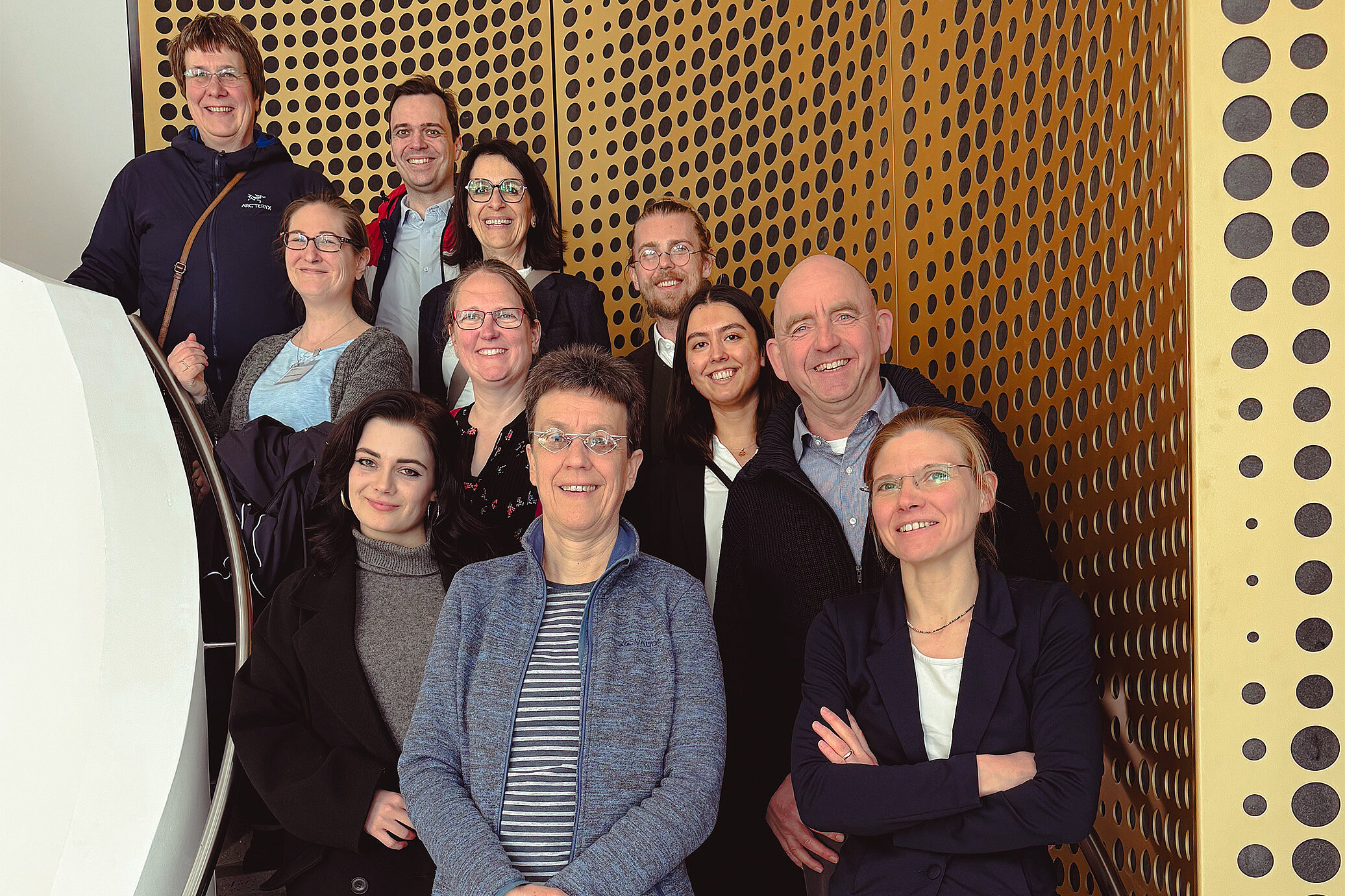
Am 17. und 18. März 2025 fand am Helmholtz-Zentrum für Infektionsforschung (HZI) in Braunschweig das Auftakttreffen des Netzwerkes INFRALINK statt. Sechs Partnerinstitutionen werden ein Netzwerk aufbauen, das Infektionsforschung zwischen Öffentlichem Gesundheitsdienst und Forschungseinrichtungen vereinfacht. Das Projekt wird von der VolkswagenStiftung mit 500.000 Euro gefördert.