
Newsroom

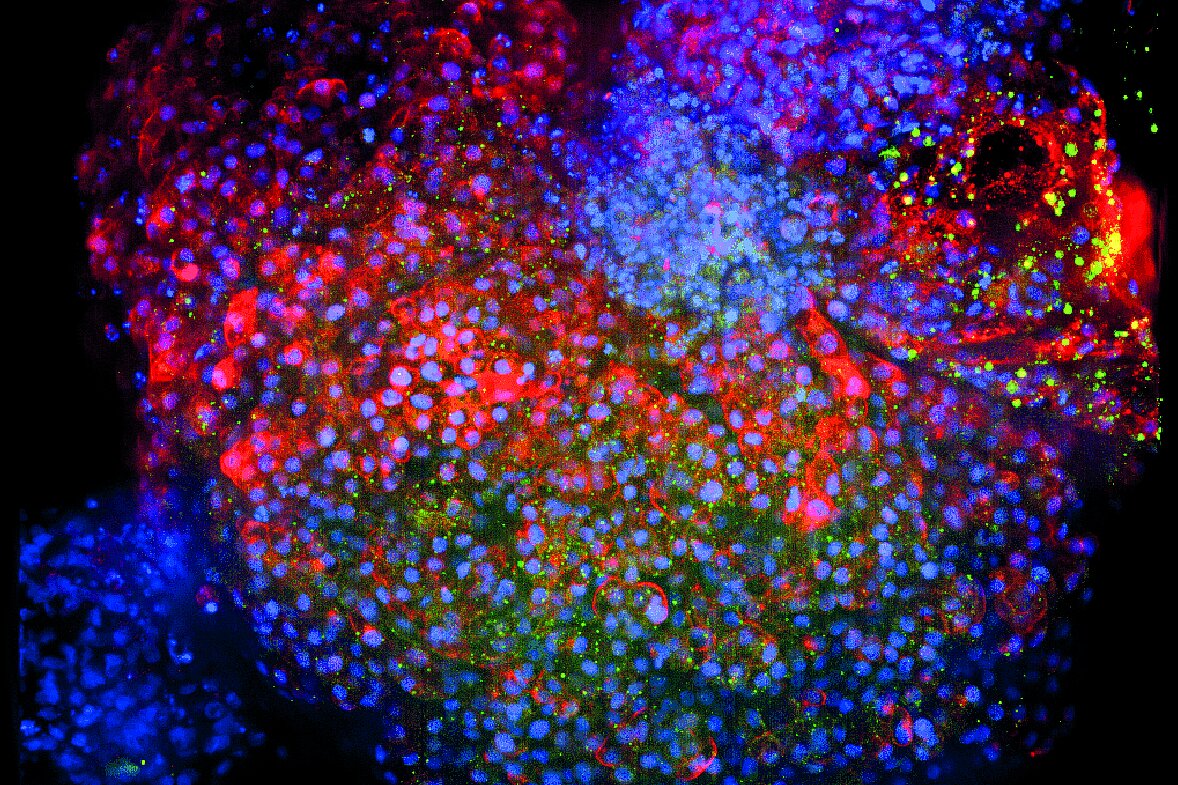
Illustration of a heart organoid with a tubulin cytoskeleton (red), cell nuclei (blue), and cardiac muscle cells (green)
Story
Organoids might sound a bit like science fiction. Yet they have firmly established themselves as a reality in research. Offering a wide range of possibilities, they enable scientists to study organ functions, diseases, and treatment options. These mini-organs are also opening up entirely new avenues for research into infections.
30.06.2026
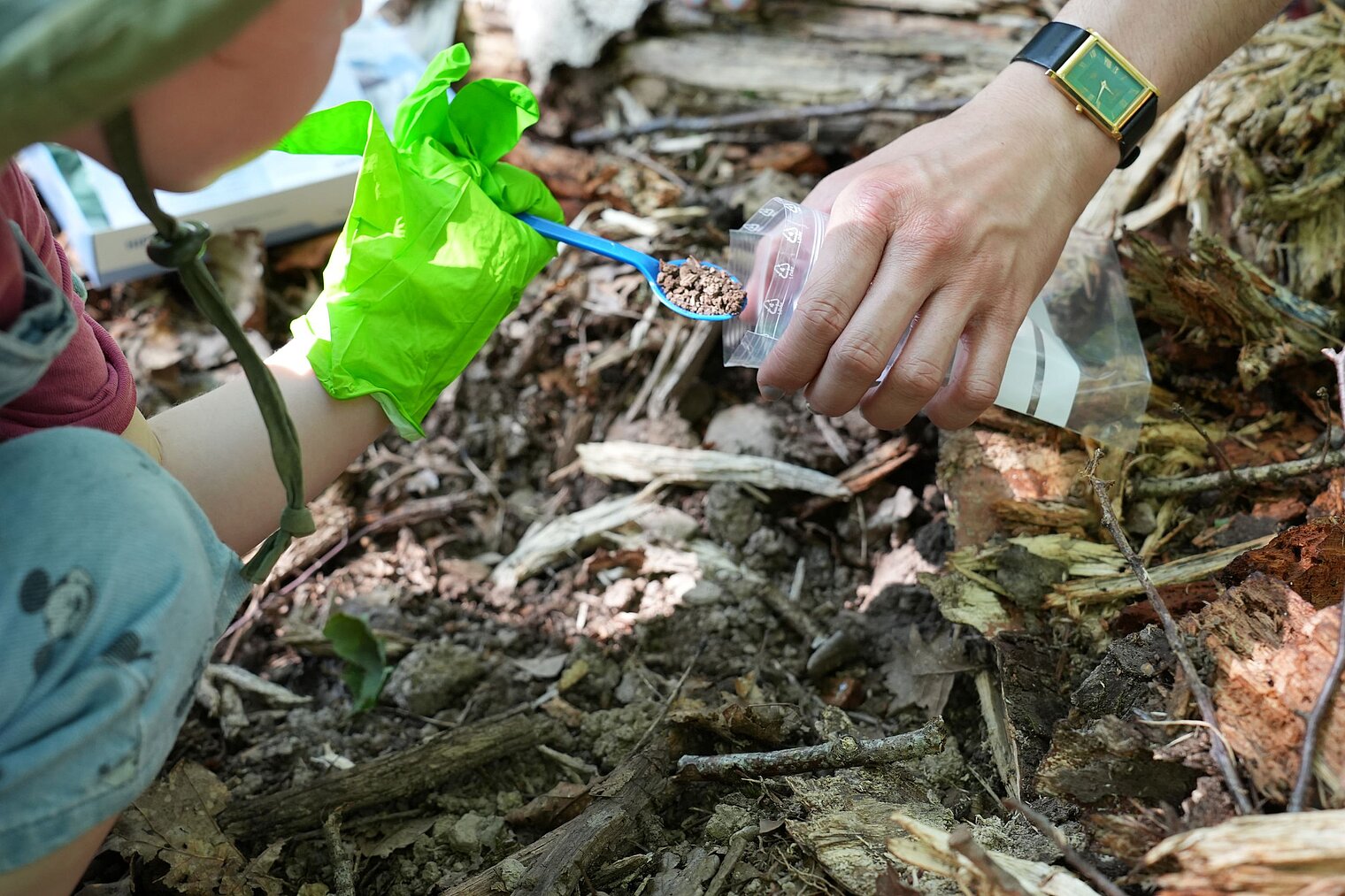
Collecting samples at MICROBELIX Wilderness Camp.
Story
There is an urgent need for novel drugs in the fight against infectious diseases, and natural compounds derived from soil bacteria are a promising source for their development. Researchers at HIPS, the HZI site in Saarland, are counting on the public’s help: The citizen science project MICROBELIX aims to harness the biodiversity of soil bacteria for drug discovery.
18.06.2026
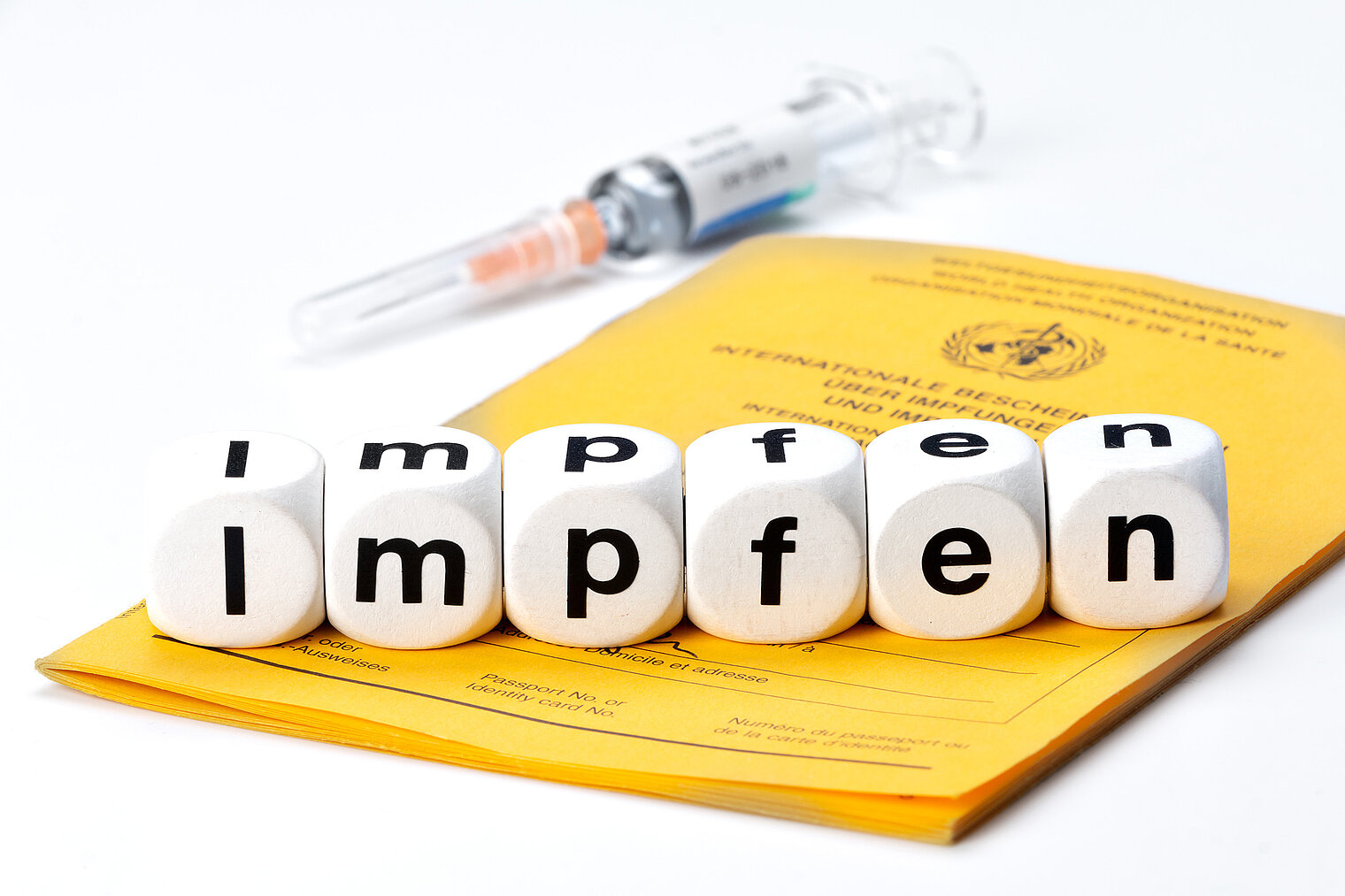
 The word “impfen” (German word for vaccines) spelled out using dice with individual letters, arranged on a vaccination certificate
Story
According to estimates by the World Health Organization (WHO), vaccinations have saved more than 150 million lives over the past 50 years. However, their development would not have been possible without the use of animal testing. On April 24, these two topics converge: This day marks both World Laboratory Animal Day and the start of the WHO’s World Immunization Week. At the Helmholtz Centre for Infection Research (HZI), researchers in the project ENDURIVAC are developing an innovative vaccine technology that could eliminate the need for boosters in the long term. In their research, they also use animal testing to assess the vaccine’s efficacy and safety.
24.04.2026
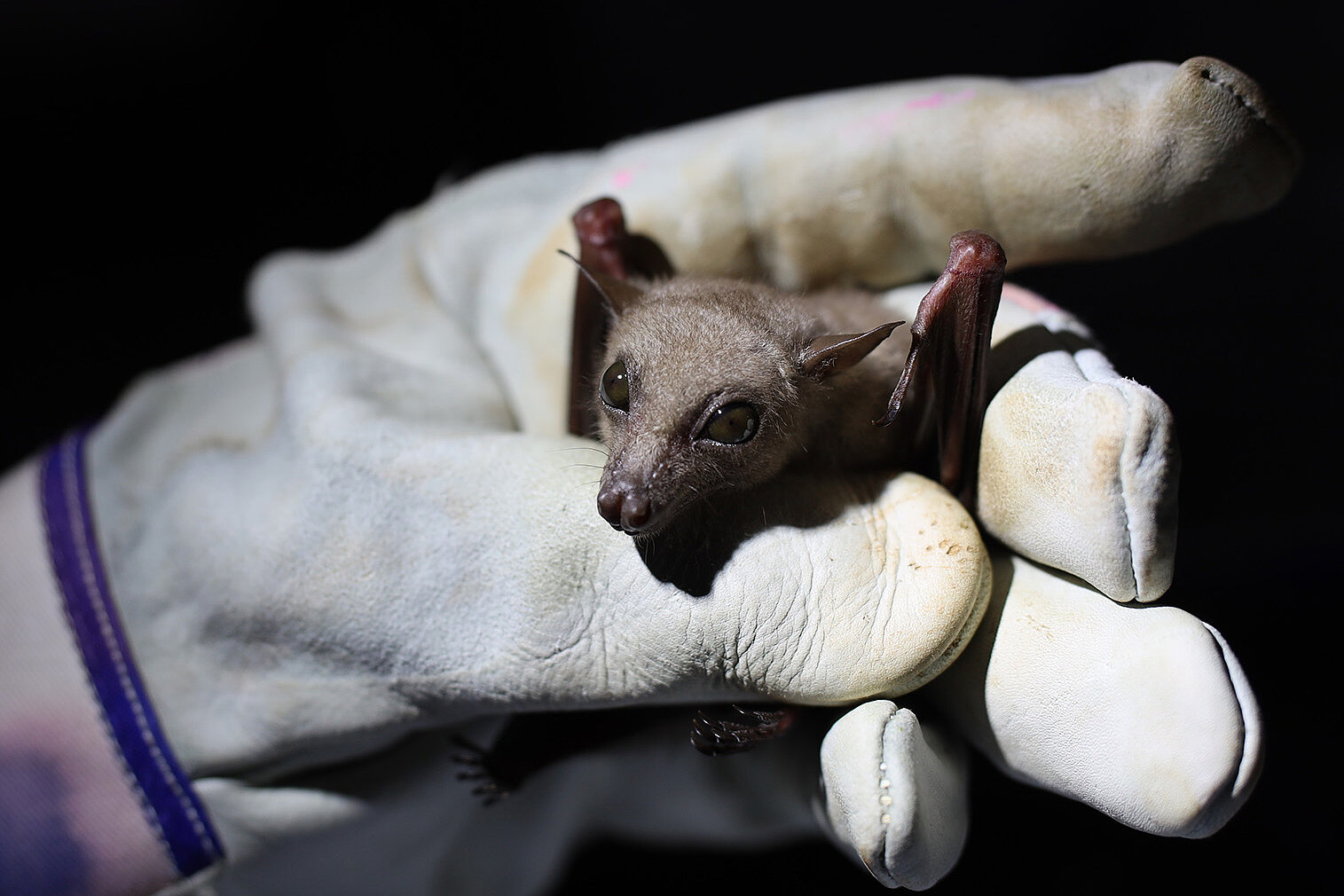
Bat held in the hand with a glove
Story
INFORBIO is a multidisciplinary project that combines participatory forest management by indigenous communities, agroforestry, the establishment of mobile health clinics, and the development of an early warning system for zoonotic disease surveillance through a multifaceted One Health approach. The overarching goal is to safeguard forests as natural barriers against the spread of zoonotic diseases while improving livelihoods in remote areas of the Central African Republic (CAR) and Cameroon. As part of INFORBIO, researchers at the Helmholtz Institute for One Health (HIOH), a site of the Helmholtz Centre for Infection Research (HZI), are developing early warning systems for zoonoses.
23.03.2026
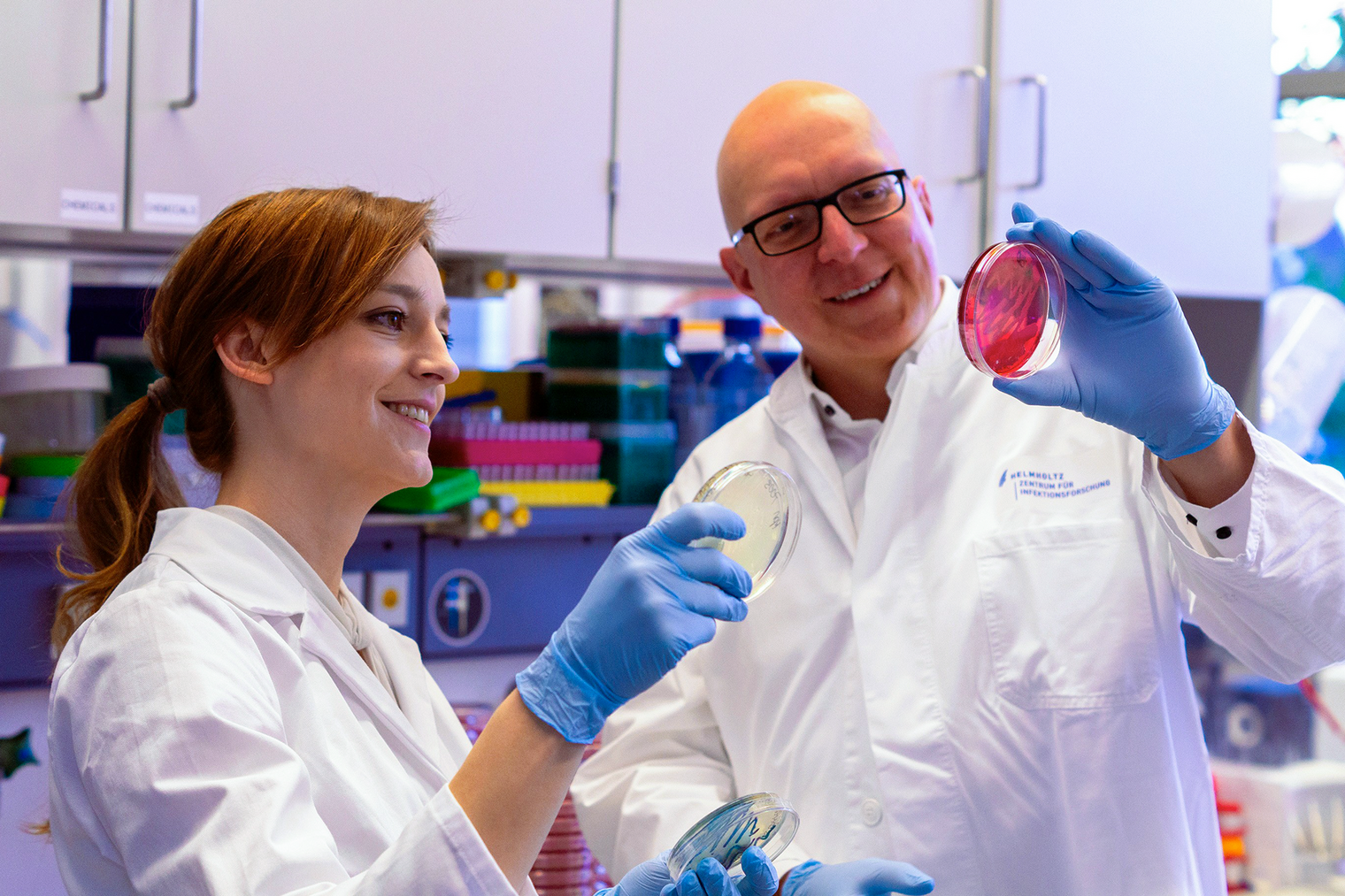
Two researchers examine a Petri dish in the laboratory.
Story
The microbiome performs a variety of health-maintaining functions in the body. The microbes can produce nutrients, dampen inflammation or displace pathogens. In order to fulfill all these tasks, the microbiome must be in balance. For the microbiome, this means first and foremost that it is as diverse as possible. This makes it harder for harmful microorganisms to find a niche to live in. If microbiome diversity decreases or harmful germs dominate, there is a risk of inflammation, infections or chronic diseases - and this is precisely where the Helmholtz Centre for Infection Research (HZI) comes in. Using “microbiome engineering”, Dr. Lisa Osbelt-Block and Prof. Till Strowig are specifically editing the gut microbiome to prevent disease.
19.02.2026
Dzanga-Sangha Protected Areas
Story
On 18–20 November 2025, the Central African Republic (CAR) celebrated its first-ever Dzanga-Sangha Day (La Journée des Aires Protégées de Dzanga-Sangha). Conceived as a three-day national event, the celebration aimed to shine a spotlight on the country’s unique natural heritage and raise awareness of the Dzanga-Sangha Protected Areas (DSPA)—an extraordinary conservation landscape in CAR’s remote southwest. Held under the theme “Reconciling Nature, Health and Development”, the event underscored how biodiversity protection, community wellbeing, and scientific research intersect in DSPA. It was co-organized by the Government of the Central African Republic in partnership with WWF and the Helmholtz Institute for One Health (HIOH).
03.12.2025

HZI in the media

... in einer virtuellen Umgebung testen


Helmholtz-Zentrum für Infektionsforschung


interaktives Diorama zu Schleimpilzen und ...

26.06.2026
|
Niedersächsisches Landesjustizportal
22.06.2026
|
Verband Deutscher Biologen e.V.
16.06.2026
|
Carnegie Mellon University

Register now for the HZI-Newsletter