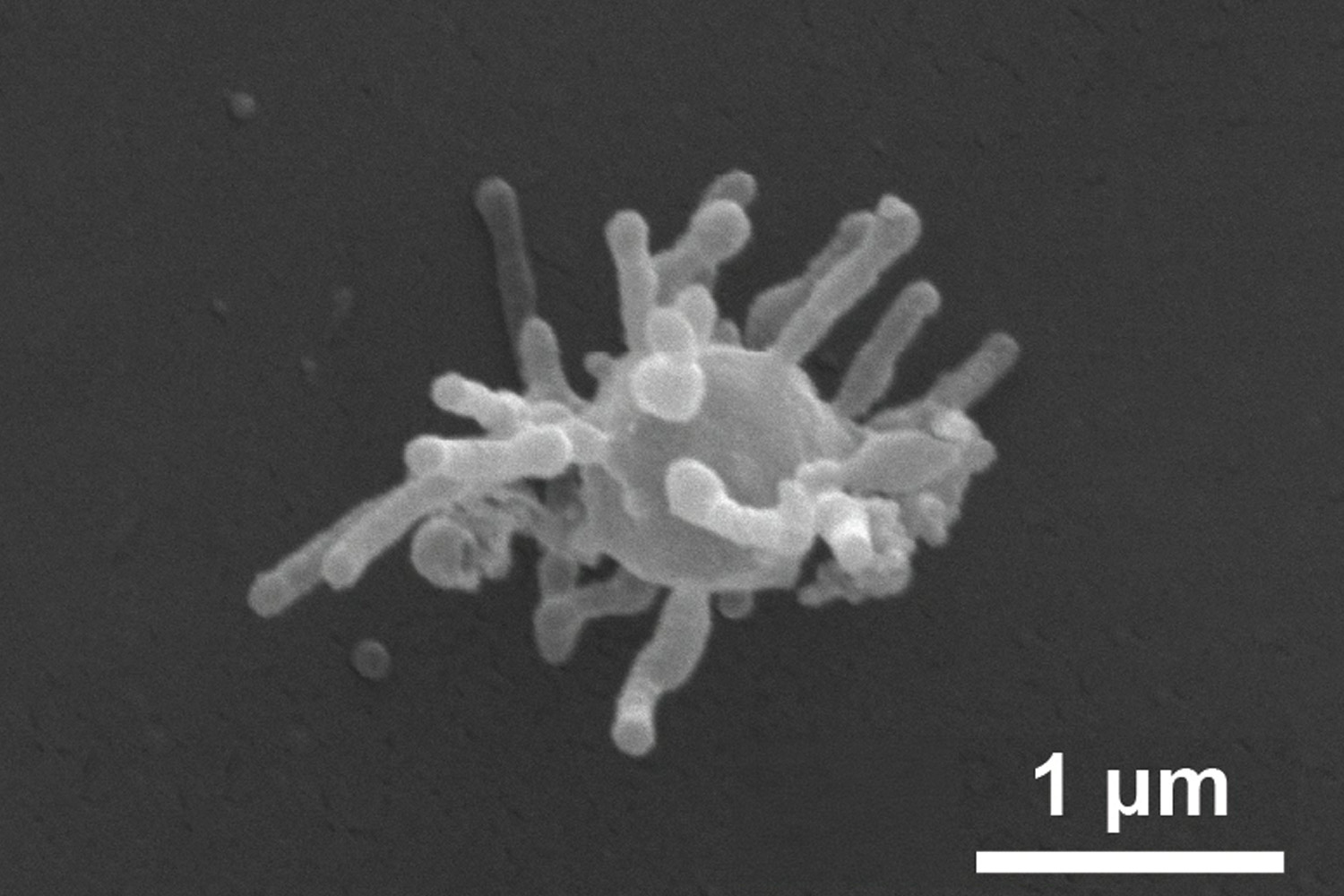
Asgard archaea, our closest known microbial relatives, play a key role in current models of the origin of more complex organisms, known as eukaryotes (all animals, plants, protists and fungi). However, their biology has...
In acute, life-threatening infections, rapidly characterizing the microorganisms in a patient sample can help guide diagnosis and treatment. This is possible by using computational methods known as taxonomic profilers,...
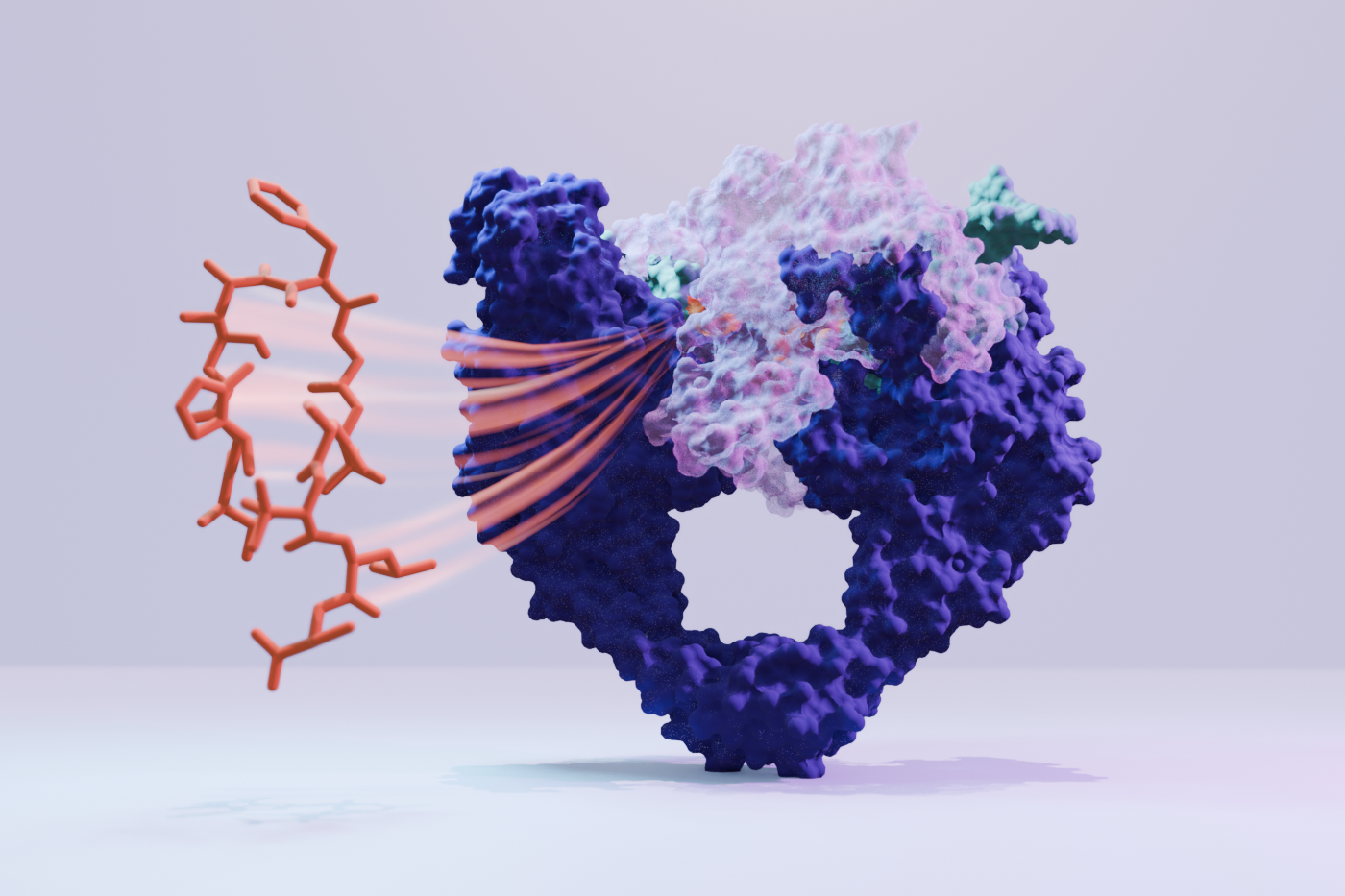
According to the World Health Organization (WHO), more than 10 million people contract tuberculosis (TB) each year—one of the deadliest infectious diseases worldwide. Treatment is lengthy and typically involves a...
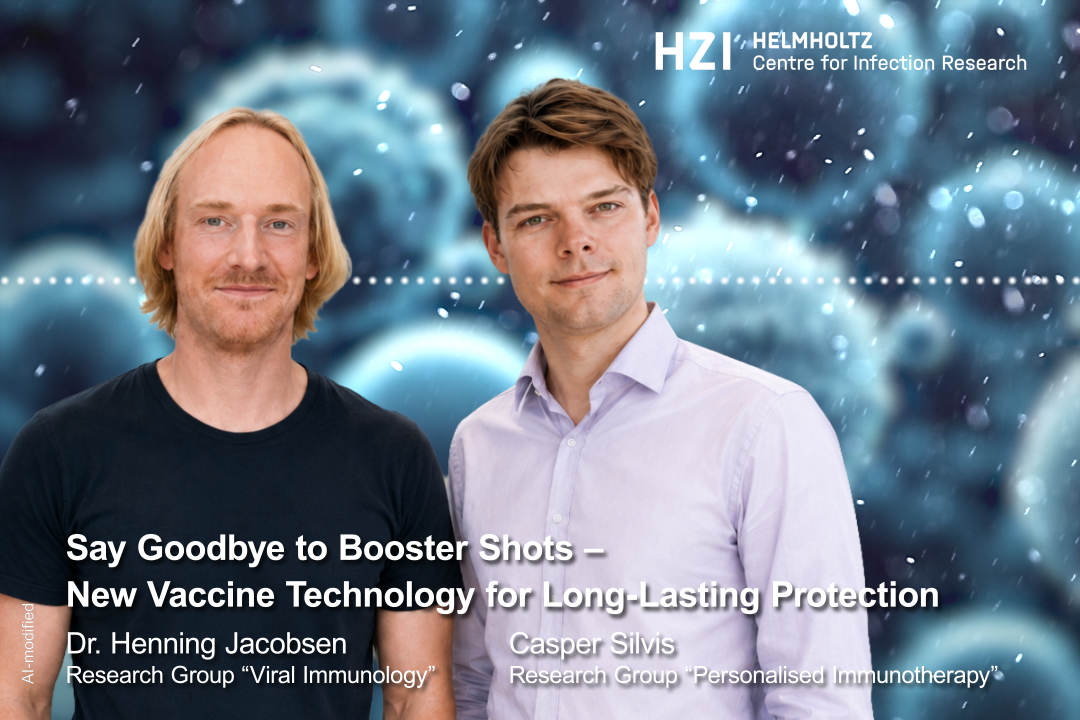
A single vaccination that provides protection for many years – so far, this has rarely been possible with vaccines against respiratory pathogens. Regular booster shots are often necessary. Dr. Henning Jacobsen and...
Tonsillitis, bacterial pneumonia or a middle ear infection? For decades, we could easily treat infections like these with antibiotics. However, as bacteria increasingly display resistance to antimicrobial drugs, this...
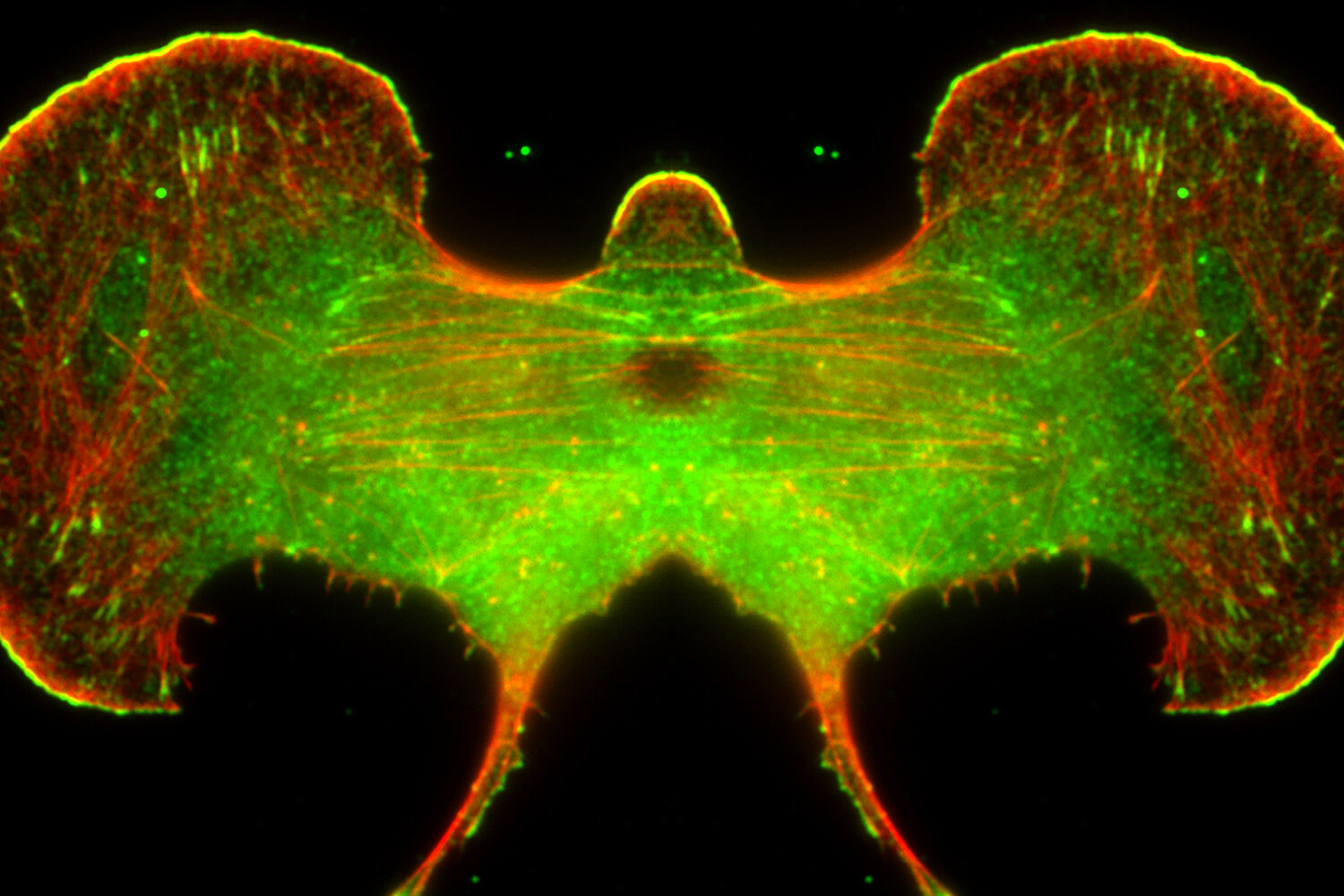
The ability of cells to move and change their positions is essential for various processes in our bodies. Immune cells move to sites of action, epithelial cells migrate during wound closure and neurons wire up their...
The Helmholtz Centre for Infection Research (HZI) is once again coordinating an international research and exchange project in fungal research through “Mycobiomics 2.0”. The recently launched project is funded as a...
On September 17, 2026, the grand opening of the first expansion building of the Helmholtz Institute for Pharmaceutical Research Saarland (HIPS) took place on the campus of Saarland University. As part of the event, the...
A highly contagious viral disease, sheeppox spreads rapidly and can affect large portions of a flock in a short time. The disease is particularly dangerous because it can cause very high mortality rates, especially in...